

In just a few months, Tulum’s streets have seen more arrests, more weapons, and far more drugs taken off the market than in all of last year. So what changed?
From July to September 2025, authorities in Tulum seized over 1,500 doses of narcotics, confiscated 10 firearms, and detained 55 individuals allegedly tied to drug distribution. That’s not just a spike, it’s a staggering 1,200 percent increase in drug seizures compared to the same period in 2024.
And people are noticing.
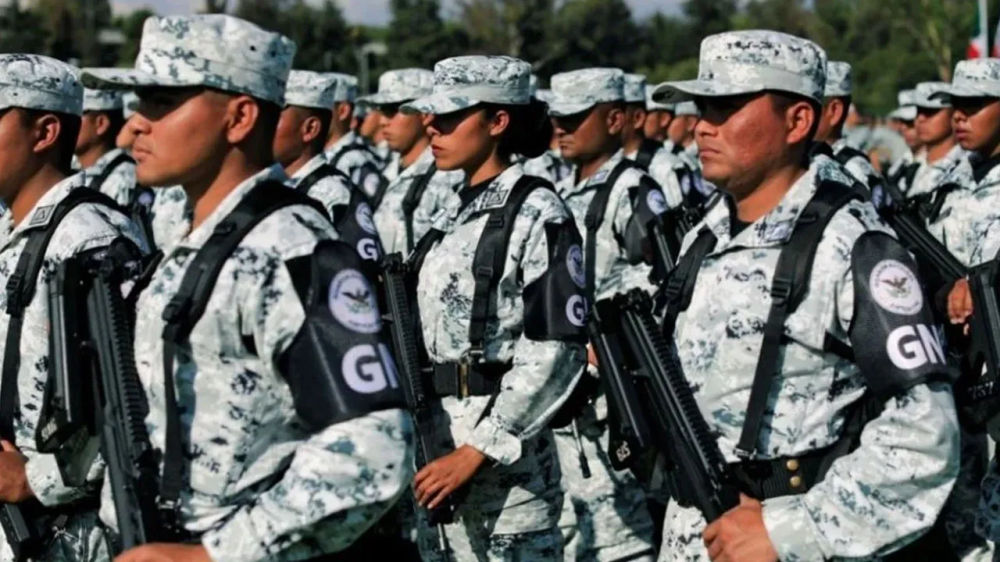
At the heart of this shift is a multi-agency security initiative known as Blindaje Tulum, a coordinated strategy blending local policing, state-level intelligence, and federal support from the Mexican military. According to officials, this approach is redefining law enforcement efforts across the Riviera Maya.
A joint force tightening the grip
“We’re working closely with the Fiscalía, the State Police, and Sedena,” said Edgar Aguilar Rico, Tulum’s Secretary of Public Security and Citizen Protection. “We’re significantly reducing high-impact crimes. That speaks to the efficiency of our daily coordination efforts.”
Aguilar Rico’s statement, while confident, points to something deeper: the long-standing challenge of keeping Tulum safe in the face of increasing tourism, rapid urban development, and the complex criminal networks that often follow.
In 2024, during the same three-month stretch, the municipality reported only 113 doses of drugs confiscated, three weapons seized, and 20 arrests related to violent or drug-related offenses. The leap in enforcement activity suggests a pivot not only in tactics but in political will.
Why now?
Tulum’s reputation as a bohemian escape has, in recent years, collided with a darker reality. While tourists sip cocktails on white-sand beaches, behind the scenes, law enforcement has faced growing threats from organized crime groups seeking control over local drug markets.
Compared to nearby destinations like Cancún or Playa del Carmen, Tulum’s relative size and newness as a global hotspot may have made it a more vulnerable target. Yet it’s also proving to be more nimble in response.
The implementation of Blindaje Tulum, which loosely translates as “Tulum Shield,” is a calculated effort to push back. The strategy is rooted in focused operations, police intelligence, and tight coordination between municipal, state, and federal agencies.
But strategy alone doesn’t guarantee results. The real question is whether this sustained pressure will hold.
A shift on the streets
On an early September morning, a small team of uniformed officers moves quietly through one of Tulum’s outer neighborhoods. No sirens. No cameras. Their goal: a suspected safe house tied to a regional distribution ring.
This kind of targeted operation has become more common since July. Sources within the department say that intelligence gathering, often built from community tips and mobile surveillance, is now central to every arrest.
One officer, who asked not to be named, described the change bluntly: “Before, we were reacting. Now, we’re hunting.”
It’s a dramatic metaphor, but it speaks to the shift in tone. Where once operations were sporadic and largely reactive, Blindaje Tulum appears to be driving proactive disruption, particularly in areas known for high rates of drug trade and violence.
The numbers behind the push
While the headline-grabbing 1,200 percent increase in drug seizures tells part of the story, the weapon confiscations and arrests may be even more critical indicators of impact.
Ten firearms were seized this quarter, over three times more than last year’s count of three. Arrests of individuals labeled “generators of violence” more than doubled, from 20 to 55.
These are not minor busts. They signal a crackdown on operational networks, not just street-level dealers.
Still, numbers don’t paint the full picture. Residents of Tulum have lived through many waves of policing, some more effective than others.
What residents and tourists should expect
While local business owners have cautiously welcomed the increased presence of security forces, some express concern about the long-term effects on the town’s image.
“We want safety, of course,” said a shopkeeper near Aldea Zama. “But we also want to avoid becoming a place where military trucks and checkpoints are the first things tourists see.”
It’s a delicate balance. Tulum thrives on its appeal as a free-spirited destination. Over-securitization could shift that image. On the other hand, unchecked violence would threaten the very economy that supports the region.
The Tulum Times has followed the evolution of this security strategy closely, and signs suggest that residents may need to adjust to this new reality, at least for now.
What comes next?
Aguilar Rico says the Blindaje Tulum strategy will continue, with reinforcements planned for the upcoming high season.
The initiative appears to be gaining traction, but challenges remain. Sustaining these efforts without alienating the local population, or overburdening municipal resources, will be key.
For now, the rising numbers point to something real: a town that’s decided to fight back.
But whether that fight becomes a long-term transformation or just another short-lived campaign remains to be seen.
Tulum’s recent surge in drug seizures and arrests could mark a turning point for the municipality, or just a momentary victory in a longer struggle. As tourists continue to flock to this coastal paradise, and organized crime adapts in real time, the stakes remain high.
We’d love to hear your thoughts. Join the conversation on The Tulum Times’ social media.
Do you think initiatives like Blindaje Tulum can truly change the future of Riviera Maya security?