
Can you imagine living just steps from the Caribbean Sea and still being locked out of its shores? For many residents of Quintana Roo, that contradiction isn’t hypothetical, it’s routine. But a legislative effort born in Tulum and now heading to Mexico’s Congress could finally shift the balance.
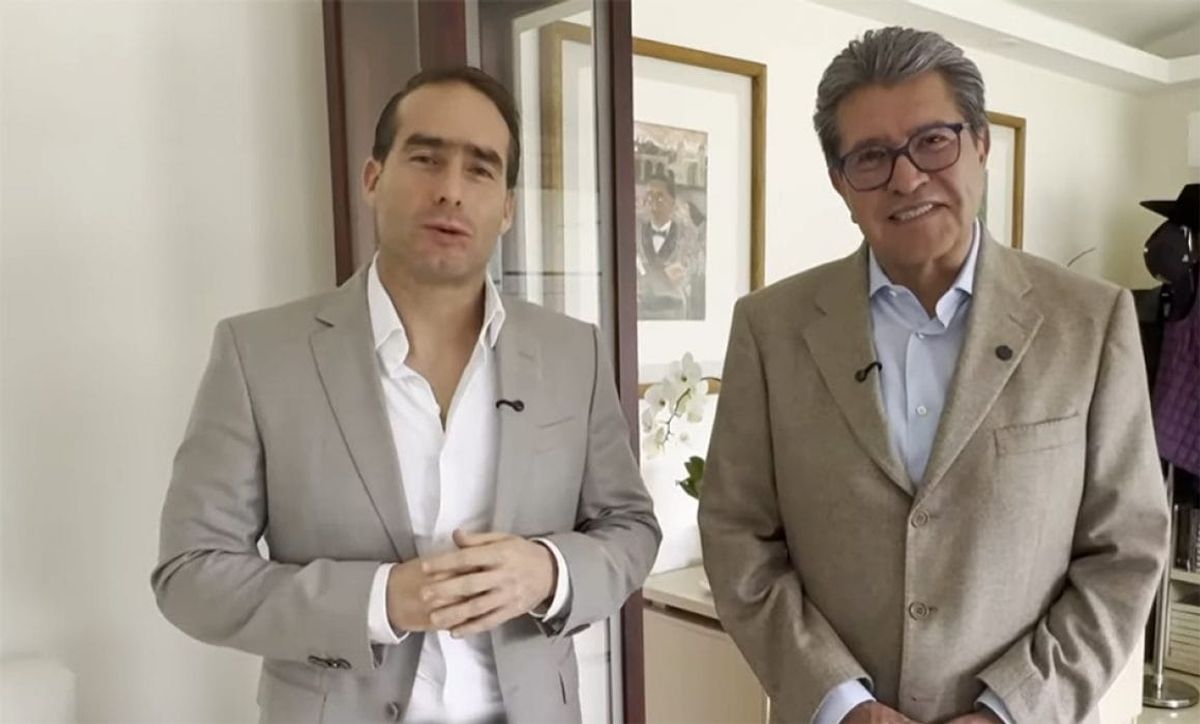
Earlier this week, Tulum’s municipal president, Diego Castañón, met with federal lawmaker Ricardo Monreal to unveil a legislative proposal aimed at restoring public access to Mexico’s protected natural areas. The highlight of the initiative is a plan to guarantee at least one free entry day per week for all Mexican citizens. Backed by the state’s governor, Mara Lezama, the proposal carries significant political momentum and is now en route to the Cámara de Diputados.
Why This Legislation Matters
Tulum is not just another beach town. It has become a symbol in a national debate over who gets to enjoy Mexico’s natural heritage. While private enterprises continue to commercialize access to beaches and ecological reserves, local residents are increasingly being priced out of spaces that, according to the law, should belong to them.
“In Tulum, the situation has reached a critical point,” Castañón said. “Public beaches and protected areas are being locked behind paywalls. After several working sessions and a legal review of the issue, we decided it was time to act at the federal level.”
And so they did.
Inside the Legislative Proposal
This proposal is no symbolic gesture. It’s a detailed legislative package. According to Monreal, the initiative will seek to modify various legal codes, including the General Law of National Assets, the Law of Ecological Balance, and the Law on Natural Protected Areas.
So what is the goal? As Monreal put it, “To benefit the people. To guarantee that every Mexican, regardless of their income or origin, can enjoy free access to the beaches and green lungs of this country at least once a week.”
These are not empty words. The proposed amendments would formally embed this right in federal law, reinforcing existing mandates that already declare beaches as national property. If passed, the law would solidify the constitutional principle of libre acceso, free access, for everyone.
But this goes beyond ticket prices. It is a matter of cultural and ecological justice. It raises the question of whether the child of a Tulum fisherman has the same right to explore the mangroves as a tourist lounging at a luxury resort.
Local Roots, National Reach
It’s rare for a small-town mayor to push national policy, yet Castañón’s initiative has gained unexpected traction. Monreal praised both the municipal leader and Governor Lezama for raising the issue to the federal stage. He emphasized that the proposal reflects the needs and frustrations of local communities.
“This came from the ground up,” Monreal noted. “From the people of Tulum to their local government, and now to the national stage. It’s a response to the growing frustration across Quintana Roo and beyond.”
And the frustration is real. What was once a communal space for rest, ritual, and livelihood has become a pay-per-view version of paradise. For many, the beach is no longer a place of belonging but a space marked by exclusion.
What Comes Next in Congress?
The bill has been drafted and is now ready for formal presentation in the lower house of Congress. From there, it will face the usual gauntlet of legislative procedures, analysis, debate, potential amendments, and hopefully, approval.
The timeline remains uncertain. Legislative processes often unfold in slow, unpredictable ways. But the symbolic momentum behind the initiative is undeniable. Tulum, in this moment, is not just a place. It is a starting point, a spark in a broader conversation about equity, access, and the shared inheritance of nature.
And while the law remains on paper for now, its message is already echoing: Mexico’s natural beauty is not a luxury. It is a right. One that belongs to all its people, not just those with a reservation confirmation.
Stay informed with The Tulum Times as this initiative progresses. Join the conversation on our social media platforms and be part of the movement for a more inclusive future.