
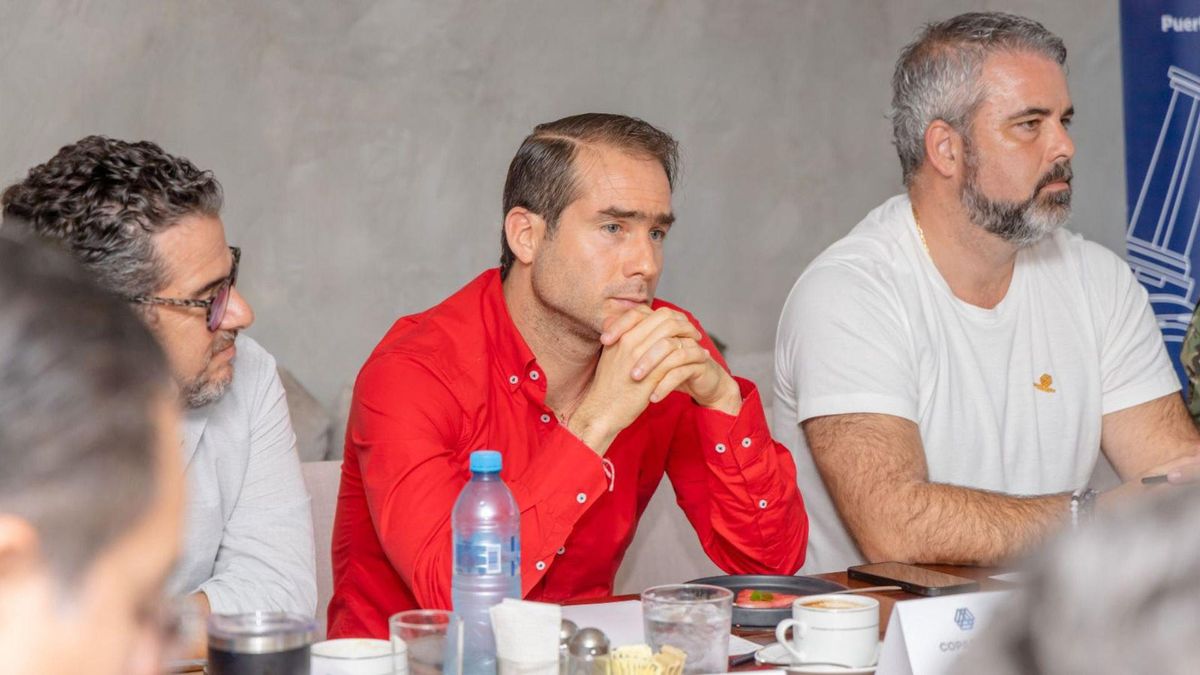
This Monday morning, a familiar scene in Tulum was unexpectedly absent. The regular weekday conference led by municipal president Diego Castañón Trejo was quietly removed from the agenda. The reason given was scheduling, though the Monday conference typically holds a fixed spot on the calendar.
The cancellation comes at a moment when the local government faces growing public attention regarding beach access policies and the broader relationship between public space and private tourism services.
“Free Beaches” initiative sparks conversation
Recently launched by the municipal government, the “Free Beaches” (Playas Libres) program aims to guarantee access to Tulum’s coastline. In a video presenting the initiative, Mayor Castañón emphasized that while access is open, certain guidelines must be followed: visitors are not permitted to bring their own food, beverages, or shade equipment such as umbrellas. These items, according to the guidelines, are available through concessioned businesses operating in the beach zones.
The announcement generated a broad range of reactions. Some residents and visitors expressed understanding, seeing the rules as a way to preserve cleanliness and order along the coast. Others raised concerns about how the restrictions might affect the ability of families and budget travelers to enjoy the beaches fully.
“This is a beautiful idea if it’s implemented fairly,” said a local hotel worker. “But it depends on how it plays out on the ground.”
Balancing local needs and tourism infrastructure
Tulum’s beaches are among its most valuable natural assets, both for residents and for the local economy. As the town continues to grow and attract global attention, pressure on coastal areas has intensified. The question of how to balance public access with the realities of private investment and tourism services remains a complex one.
Some visitors have reported feeling unsure about where they can or cannot go, particularly when beach entrances appear to be controlled by businesses. Others note that small gestures, like being able to bring a bottle of water or a small umbrella, can make a big difference for families visiting on a limited budget.
Municipal authorities have reiterated their intention to maintain open access while also ensuring that all beachgoers respect safety and environmental guidelines.
A moment of reflection for Tulum
The pause in the weekly public address may signal a time for listening and reevaluation. As Tulum continues to navigate its evolution from tranquil coastal village to international tourism destination, moments like this provide an opportunity to re-engage with community voices and visitor feedback.
Across Quintana Roo, destinations like Cancún and Playa del Carmen have also faced similar challenges. The experience in Tulum echoes broader regional questions about how to manage growth, preserve natural resources, and protect the identity of local communities.
One visiting tourist from Oaxaca shared her impression after being informed she couldn’t bring her snacks to the beach:
“We understood the rules, but it felt a little restrictive. It’s still a public beach, right?”
Looking ahead: cooperation and clarity
State and federal authorities have expressed interest in monitoring developments related to beach access and tourism standards in Tulum. While no specific changes have been announced, there is a clear intention to ensure that practices align with public rights and local regulations.
As for the municipal government, future updates and clarifications may help bring greater transparency to the goals of the “Free Beaches” program and how it will be implemented in daily practice.
Tulum remains one of Mexico’s most iconic coastal destinations. Maintaining trust between residents, businesses, and visitors will be key to preserving its charm and sustainability for years to come.
We’d love to hear your thoughts. Join the conversation on The Tulum Times’ social media.
What do you think is the best way to ensure both open beach access and sustainable tourism in Tulum?