
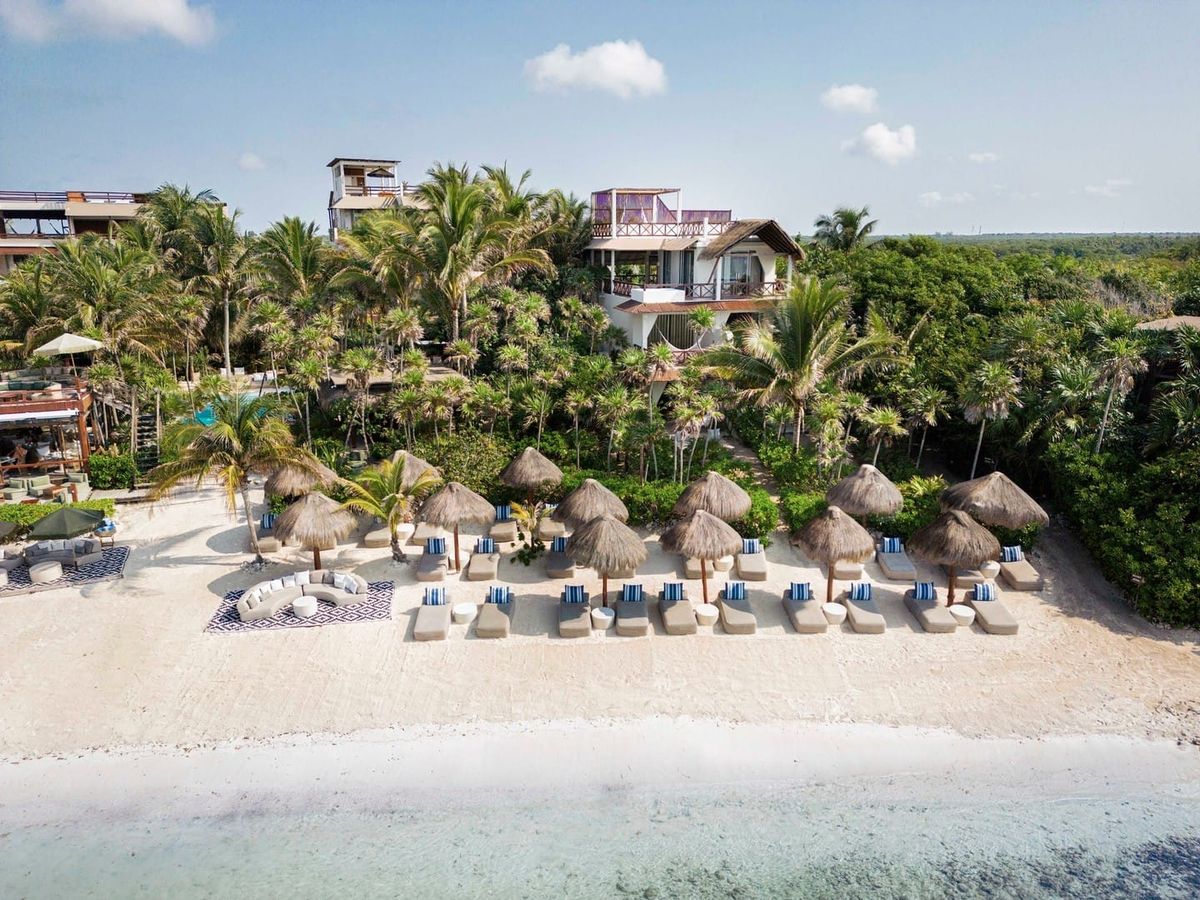
The atmosphere at the Hilton Tulum is far from celebratory. This was supposed to be the year tourism made a triumphant return. Instead, hotel occupancy is struggling through the summer heat, moving forward with the energy of a traveler caught in the midday sun. Marc André, director of sales and marketing at the Hilton, is refreshingly direct about the reality.
“It’s no secret anymore,” he says, his tone marked by the weariness of unmet expectations. “Occupancy across the destination is lower than it’s been in previous years.” He pauses, letting the words land. Tulum, once the golden child of the Riviera Maya, is now lagging behind Cancún and Playa del Carmen. Not just marginally, but enough to feel the sting in every unbooked room and every empty restaurant seat.
A Summer Slump With No Precedent
So how dire is the situation? Local officials aren’t sugarcoating it either. Jorge Alberto Portilla Mánica, Tulum councilman and president of the Commission of Shows, Entertainment, Labor, and Social Welfare, recently described the scenario as “very worrying.” While he stopped short of declaring a crisis, the statistics speak volumes. Hotel occupancy along the coast is hovering around 30 percent. Downtown? A sobering 15 percent. And this is during what is traditionally peak summer season, when rooms are typically hard to come by and tourism dollars flow freely.
Portilla Mánica’s warning came in July, but signs of improvement since then remain elusive. The tourism ecosystem as a whole is under pressure, with small hotel owners, restaurateurs, and tour operators all reporting decreased foot traffic and shrinking profits.
Signs of Hope on the Horizon
Still, Marc André hasn’t given up. There’s a spark of cautious optimism when he talks about the winter season. “The good news is that the forward-looking factors appear favorable,” he says, weighing each word. “It might not surpass the winter of 2020, but we’re seeing a fairly positive potential for recovery in occupancy.”
It’s not exactly a reason to uncork the champagne, but in the world of hospitality, where seasons dictate revenue and bookings forecast stability, it’s at least something to hold on to. And when you’re emerging from a summer this dismal, a little hope counts for a lot.
Staff and Strategy: Protecting the Core
In response to the downturn, the Hilton Tulum has not stayed passive. Management has implemented internal strategies designed to protect both staff and the hotel’s financial health. André describes a careful balancing act. Employees are encouraged to take vacations or, in some cases, unpaid leave. “These are measures that reduce payroll expenses,” he explains, “but they also respond to requests from the collaborators themselves.”
This isn’t just about business. It’s about people. When tourism falters in Tulum, it’s not just hotel rooms that go unoccupied. It’s the families who depend on tips, the bartenders whose smiles greet every sunset, the housekeepers who commute from nearby villages. Everyone is affected. Every empty booking echoes through an entire community.
Understanding Tulum’s Tourism Trouble
So why is Tulum struggling? There’s no single answer. While André avoids naming specific causes, industry experts point to a variety of factors. Rising travel costs, changes in airline routes, and tighter household budgets all play a role. Competition from newer, trendier destinations across Latin America is also drawing attention away from Mexico’s once-undisputed gem.
And then there’s the matter of image. Tulum’s explosive growth over the past decade brought with it a flood of influencers, developers, and rapid expansion. But with that rise came consequences. Stories of overdevelopment, environmental stress, and concerns over safety are now just as likely to be found in the headlines as beach photos on Instagram.
Tulum isn’t fallen, but it is in flux. The glow hasn’t entirely faded, but the sparkle is under scrutiny.
Looking to the Future With Measured Hope
André offers a perspective that avoids both panic and denial. He suggests this slump could be a temporary trough rather than a permanent decline. “We’re hopeful,” he says, “because the indicators for winter look better.” More international interest, more reservations, more potential for recovery. If the winds shift, December might bring back the buzz.
For now, though, Tulum is quieter than it should be. The sand remains soft. The sea still dazzles in turquoise hues. But the soundtrack has changed. Gone is the constant murmur of excited tourists. In its place, a more subdued rhythm of cautious planning and quiet hope.
As always, The Tulum Times invites its readers to share their thoughts and be part of the conversation. How do you see the road ahead for Tulum? Join us and weigh in.