
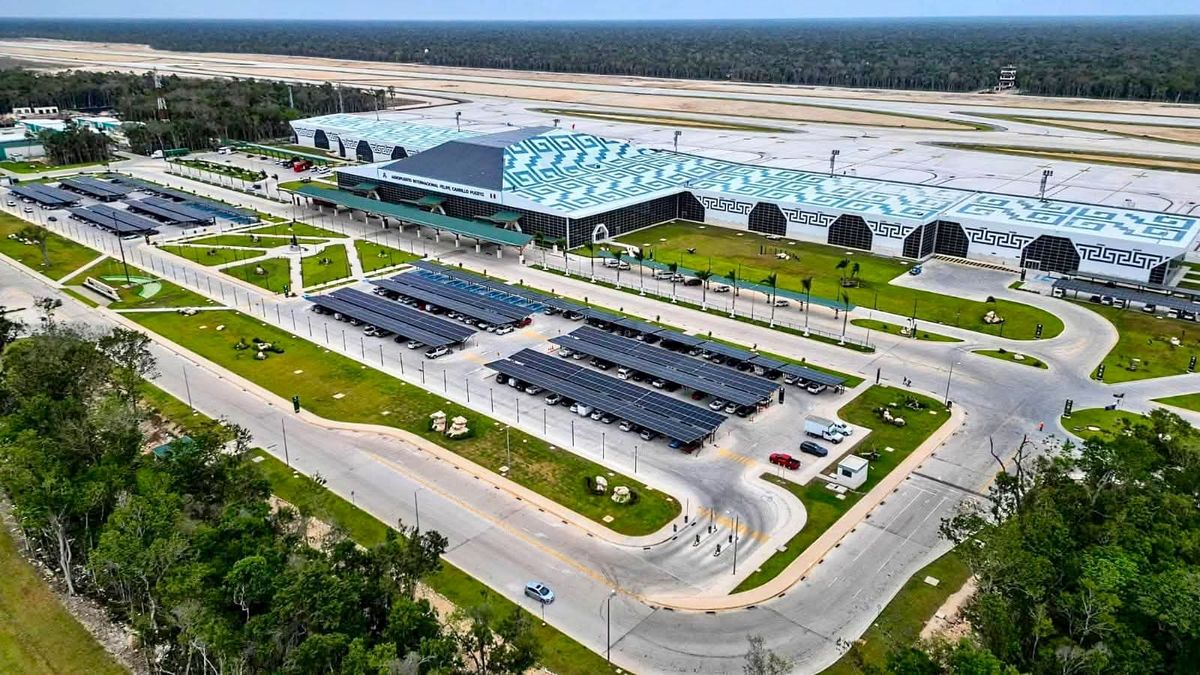
The Tulum International Airport has slipped out of Mexico’s top ten terminals for international arrivals, according to August figures from the Federal Civil Aviation Agency. The change comes as videos of empty beaches circulate on social media and hotel occupancy in Tulum falls sharply from early-year highs. What looked like a fast-rising Caribbean gateway now faces a slower season, and possibly a deeper reset.
A sudden turn in a young airport’s trajectory
Inaugurated in late 2023 by then president Andrés Manuel López Obrador, the Felipe Carrillo Puerto terminal in Quintana Roo quickly climbed into the national top ten for foreign arrivals. Its location in the Riviera Maya and the promise of direct connections suggested an effortless ascent. Four months was all it took to appear among the leaders. Then August arrived, and the airport dropped from the ranking.
Airline schedules have not vanished, but sentiment has cooled. Travelers describe high prices for lodging and meals, limited transport options at fair rates, and a feeling that access to public beaches is increasingly constrained. Add the seasonal return of sargassum and headline-grabbing security concerns, and the appeal of a spontaneous Tulum getaway looks thinner than it did at the start of the year.
On the ground in Tulum, the micro-story behind the macro-data
On a recent weekday morning, a couple from Chicago stepped out of a colectivo near downtown Tulum expecting a quick ride to the beach. The taxi fare quoted to them was more than their lunch and two sun loungers combined. They walked instead. “We wanted to love it, but the small frictions add up,” the traveler said. One story never explains a market. But it helps decode a trend.
Sedetur, Quintana Roo’s Tourism Secretariat, reports that hotel occupancy in Tulum is down by 17.5 percentage points compared with earlier months. By late September, less than half of available rooms were filled, a stark contrast with occupancy hovering near 80 percent in the first quarter. The figures echo what many visitors post on TikTok and Instagram: empty beaches at midday, restaurants offering last minute deals, and hosts bargaining on nightly rates.
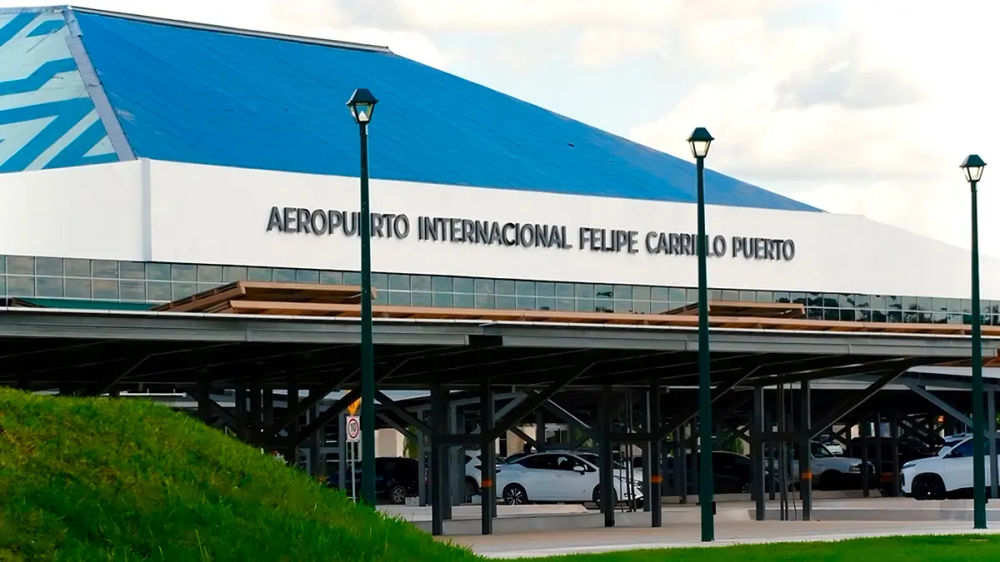
What pushed Tulum International Airport off the leaderboard
For Francisco Madrid, who leads the Anáhuac University’s Center for Advanced Research in Sustainable Tourism, the causes reach beyond any one season. He points to a lag in urban services and infrastructure that did not keep pace with Tulum’s rapid expansion. The result, he argues, is a destination that leaned on its image while struggling to organize its basics.
“We are seeing price abuses, and also abuses in urban transport, particularly taxis, including the blocking of Uber and the aggressive behavior against alternatives,” Madrid said. When mobility feels arbitrary, visitors adapt in unhelpful ways. Some shorten stays. Others choose a base in Playa del Carmen or Cancún and limit Tulum to a day trip. The airport may be new, but a destination’s dynamics still decide the flow of arrivals.
Politics, beaches, and the line between public and private
Local politics also entered the frame. Tulum’s municipal president, Diego Castañón, drew criticism after publishing videos urging visitors not to bring food, umbrellas, and other items to the beach, suggesting they purchase at local establishments instead. The pushback was swift and loud. Mexico’s president, Claudia Sheinbaum, called such conditions illegal and said her tourism secretary, Josefina Rodríguez Zamora, would address what many saw as creeping privatization of public beaches. Complaints about access fees, restrictions, and enforcement coalesced around the federal Parque del Jaguar project, which supporters say will preserve key ecological areas and critics argue could limit free access.
These disputes might sound bureaucratic, but for travelers the signal is simple. If reaching the sand is costly or complicated, they will pick a different stretch of the Caribbean. The debate over access and pricing will shape the medium-term reputation of Tulum more than any single marketing campaign.
Prices, transport, and the perception gap
The phrase visitors repeat is predictable and powerful: value for money. Tulum’s growth cycle rewarded premium concepts and high-margin experiences, from boutique hotels to chef-led kitchens and beach clubs. That formula can still work. But when median prices surge while services lag, the perception gap widens. Tourists begin to compare Tulum with international peers like Punta Cana, Cartagena, or even Mediterranean spots, where transit is simpler and public beach access is straightforward.
Transport is the friction point. Allegations of taxi cartels are not new in Quintana Roo, and disputes involving ride-hailing services have become part of the state’s tourism narrative from Cancún to Playa del Carmen. When Uber’s operation is blocked or inconsistent, visitors face a binary choice between walking long distances or paying inflated fares. It is difficult to sustain repeat tourism under those conditions.
The airport’s early promise and the realities of demand
Airports reflect demand, they do not create it. The Felipe Carrillo Puerto terminal expanded Tulum’s options and took pressure off Cancún International Airport. Carriers tested routes. Traffic grew. Then sentiment cooled, prompting a recalibration. If the destination fixes mobility and access while moderating costs, airlines have reasons to lean back in. If not, the top ten will remain out of reach.
This is where a subtle editorial reflection belongs. Tulum’s appeal was always a mix of natural assets and a particular kind of cultural capital: design-forward hotels, a wellness scene, music festivals, and the marketing power of social media. That model requires careful stewardship, because it is as fragile as it is attractive. A destination famed for barefoot luxury cannot ignore sidewalks, crossings, and fair pricing.
Security headlines meet day-to-day experience
Security concerns add noise to the equation. Quintana Roo has managed major events and peak seasons despite periodic violence and high-profile incidents. Most visitors still complete their trips without issues. But the headlines linger, and perception spreads faster than any official reassurance. The more basic the frictions elsewhere, the more these headlines matter at the margin.
One line resonates for social media: “When access feels gated and prices feel arbitrary, travelers quietly vote with their feet.”
A path forward that matches ambition with service
Madrid argues for an integral solution involving all three levels of government and the private sector. That sounds familiar because it is exactly what complex destinations require. The fix is not only enforcement or only investment. It is both. Clear, legal access to beaches. Transparent transport rules with real competition. Predictable fees. Better urban services for residents who carry the weight of tourism year round. If residents see benefits, they become the destination’s best advocates. If they see only rising costs, the social contract frays.
This moment could become a reset rather than a slide. The Riviera Maya remains one of the hemisphere’s strongest tourism corridors, and Tulum retains unmatched name recognition. The Tulum Times has reported for years on the region’s cycles of exuberance and correction. What is different now is the speed at which sentiment flips in the age of short videos and instant reviews. In such an environment, small improvements compound. So do small missteps.
What visitors and investors will watch next
Investors will watch occupancy rates and the yield per available room through the winter season. Airlines will watch load factors and advance bookings. Visitors will watch TikTok. Locals will watch whether rules are applied fairly to taxis and beach clubs alike. And Mexico’s federal authorities will watch how commitments on public access translate at the shoreline and at the gate.
If improvements arrive, Tulum’s airport can regain momentum. If not, the path of least resistance leads tourists north to Cancún or south to Bacalar, where word of mouth currently tilts more positive. The stakes are clear, and they extend well beyond one airport’s ranking.
The bottom line for Tulum International Airport
Tulum International Airport’s August exit from Mexico’s top ten is a signal, not a verdict. The core assets remain. The task now is to align prices with service, guarantee fair transport, and protect open access to the coast. Do that, and demand will follow the runway lights back to Felipe Carrillo Puerto.
In the coming months, cooperation between Quintana Roo authorities, the federal government, and local businesses will determine whether this dip becomes a blip or a trend. The main keyword for the public conversation is simple enough to fit in a headline, and difficult enough to test a whole model of growth: Tulum International Airport.
We’d love to hear your thoughts. Join the conversation on The Tulum Times’ social media.
What one change would most quickly restore traveler confidence in Tulum?