
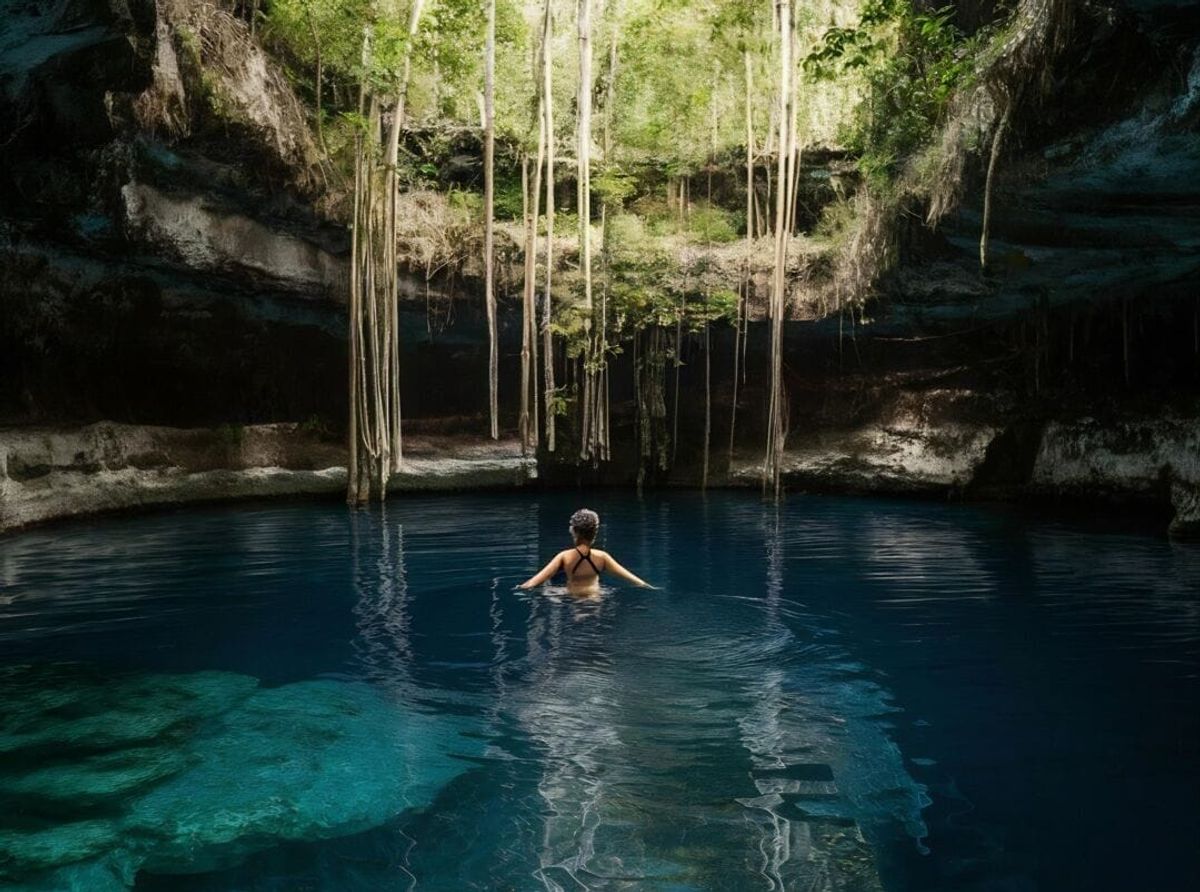
On Monday, February 12, the Secretaría de Turismo de Quintana Roo inaugurated the Ruta de los Cenotes Sostenibles (Sustainable Cenote Route) in Tulum, introducing a tourism initiative that combines guided access to 12 selected cenotes with conservation practices and environmental education. Officials said the program is designed to protect the region’s fragile aquifer system while offering visitors structured, low-impact experiences in the Maya jungle.
The route integrates trained local guides, reusable water filtration systems, and designated observation points for flora and fauna. Authorities project a 15 percent increase in local lodging occupancy during the low season as a result of the program, while conservation efforts are expected to benefit from community funding and collaboration with non-governmental organizations.
For Tulum, where cenotes are both an ecological foundation and a central tourism draw, the initiative represents a structured attempt to balance visitor demand with environmental protection. Residents, tour operators, hospitality businesses, and international visitors are directly affected as the program reshapes how access to these natural sites is managed.

How the new cenote route works
The Ruta de los Cenotes Sostenibles connects 12 cenotes selected for their natural characteristics and conservation potential. A network of marked trails links each site with observation points focused on local biodiversity, allowing visitors to move through the jungle under defined pathways rather than informal access routes.
Each cenote included in the route is equipped with a reusable water filtration system intended to reduce potable water consumption and limit contamination risks. Visitors can swim and snorkel in the cenotes while guides provide instruction on preserving water quality and avoiding damage to aquatic ecosystems.
According to María López, director of the area, the initiative seeks to protect cenote ecosystems while offering an educational experience. She said local guides have been trained to explain the importance of aquifer conservation and the biodiversity that depends on these freshwater systems.

Environmental education becomes central to the experience
Beyond swimming and sightseeing, the program incorporates structured activities aimed at reinforcing responsible tourism practices. These include low-impact snorkeling with specialized equipment, underwater wildlife photography, and art workshops using recycled materials.
Visitors are also invited to participate in waste collection activities. Collected materials are transported to recycling centers in the region, reinforcing a “leave only footprints” approach to tourism management.
The inclusion of environmental education as a core component reflects a broader shift in Tulum’s tourism strategy. Rather than promoting open-access recreation, the route formalizes visitor behavior and integrates conservation messaging into every stage of the experience.

International packages and certified standards
For international tourists, the route offers bilingual packages that include transportation, certified guides, and a certificate of participation in cenote conservation efforts. The program aligns with the ecological tourism strategy promoted by the Quintana Roo government since 2024, which aims to increase sustainability across the region’s tourism sector.
The Ruta de los Cenotes Sostenibles has received certification from the Asociación Mexicana de Turismo Sostenible, positioning it as a reference point for sustainable tourism practices in the state.
Certification may also influence how tour operators market experiences and how visitors evaluate environmental standards when booking excursions. In a destination where environmental pressures have grown alongside tourism demand, formal recognition can affect both reputation and regulatory expectations.

Economic impact during the low season
Officials estimate the initiative could increase local lodging occupancy by 15 percent during the low season. For hotels, guesthouses, and tour providers, this projection suggests a potential redistribution of visitor flows outside peak months.
By concentrating activities along a defined route and promoting structured packages, the program may also influence how tourists plan their stay in Tulum. Accommodation providers near participating cenotes could see higher demand, while businesses not integrated into the route may adjust offerings to align with sustainability criteria.
The financial model includes community funding and partnerships with non-governmental organizations to support conservation efforts. This structure links economic benefit directly to environmental protection, at least in design, by channeling tourism revenue into maintenance and preservation.

What changes for residents and businesses
The launch of the Ruta de los Cenotes Sostenibles changes how selected cenotes are accessed and interpreted. Instead of informal or loosely managed visits, the program introduces marked trails, structured activities, and certified guides as central elements of the experience.
Residents living near participating sites may experience increased organized visitation, while local guides gain formal roles within a state-backed initiative. Tour operators may need to adapt to new standards if they wish to be included in the certified route.
For visitors, the change is practical. Access now includes defined pathways, environmental briefings, and participation options tied to conservation. And for Tulum as a destination, the route reinforces a model of tourism that seeks to align economic growth with environmental safeguards.
As Tulum continues to position itself within Mexico’s eco tourism market, the success of the Ruta de los Cenotes Sostenibles will depend on implementation, enforcement, and visitor participation. The initiative places conservation at the center of the experience, linking environmental protection with economic projections and official certification.
What is at stake is the long-term condition of the cenote system that underpins both local ecology and tourism. What changes from now on is how 12 selected cenotes are managed, accessed, and interpreted under a structured sustainability framework.
The Ruta de los Cenotes Sostenibles is now officially operating in Tulum, with state backing and industry certification shaping its next phase.
We’d love to hear your thoughts. Join the conversation on The Tulum Times’ social media.
Do you believe structured eco routes can meaningfully protect Tulum’s cenotes while sustaining tourism growth?