
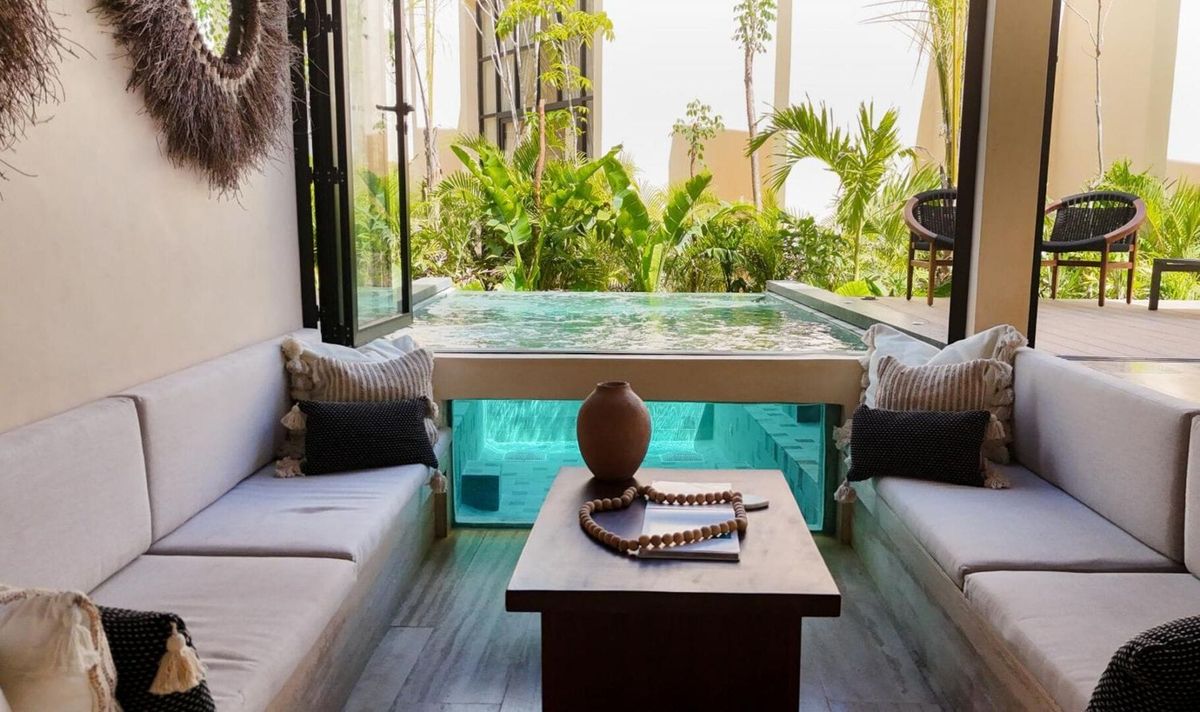
As Tulum’s visitor numbers surged by 18% in early 2025, outpacing Cancún for the first time in a decade, the coastal enclave continues to redefine itself as a magnet for luxury hospitality. Against this backdrop of growth, Grupo Trobbo has announced its latest venture: a flagship eco-resort set to open in late 2026, signaling a bold expansion of the brand’s upscale offerings in Mexico’s Caribbean corridor.
A New Chapter in Tulum’s Hospitality Landscape
Grupo Trobbo, the Spain-based hotel group renowned for blending contemporary design with environmental stewardship, revealed plans for “Casa Ahau”, a 72-room property nestled between Tulum’s biodiverse Sian Ka’an Reserve and the town’s bustling cultural district. The development marks the company’s third Mexican property and its most ambitious sustainability initiative to date. As construction begins, local botanists are already cataloging over 800 native plant species for integration into the resort’s living architecture, a testament to the project’s ecological commitments.
Strategic Location with Cultural Integrity
Positioned along a quarter-mile stretch of previously undeveloped coastline, Casa Ahau strikes a calculated balance between seclusion and accessibility. The resort lies 11 minutes south of Tulum Pueblo, offering guests private beach access while maintaining proximity to the vibrant street art corridors and culinary hotspots that define modern Tulum culture. This duality reflects a growing trend among developers to create self-contained experiences that still encourage meaningful engagement with local communities.
Architectural Vision Meets Environmental Ethics
The property’s design team, led by Barcelona-based firm Estudio Marés, has pledged to achieve double certification under LEED and EarthCheck standards, a rarity for projects of this scale. Construction materials include reclaimed Tzalam wood from Yucatán’s aging haciendas and limestone processed through low-emission techniques pioneered in the region. Solar panel arrays will be discreetly integrated into palapa-style roofing, projecting 92% energy self-sufficiency during peak occupancy seasons.
Economic Impact and Community Partnerships
Grupo Trobbo’s $45 million investment comes with a commitment to local workforce development. The company has partnered with Quintana Roo’s technical universities to create a hospitality training program that will prepare 120 residents for managerial roles by 2027. This initiative aligns with broader economic shifts in Tulum, where skilled labor demand has increased 34% year-over-year as high-end tourism matures.
Redefining Luxury Through Cultural Immersion
Beyond physical amenities, which include a juice bar sourcing exclusively from Maya cooperative farms and a mezcal library featuring small-batch producers, Casa Ahau will incorporate cultural programming rarely seen in luxury resorts. Guests can participate in weekly “cenote meditation” sessions guided by local shamans or attend pop-up culinary collaborations with chefs from nearby Pueblo communities. Such offerings reflect a nuanced understanding of modern travelers’ desire for rootedness amidst indulgence.
As construction progresses, industry observers note the project’s potential to influence regional development patterns. “This isn’t just another hotel,” says María L., a Tulum-based sustainability consultant who asked to withhold her full name. “It’s proving that conservation-focused development can drive both profit and cultural preservation, provided developers commit to genuine partnership with those who call these places home.”
A Vision for Tulum’s Future
With phase one completion slated for Q4 2026, Casa Ahau enters a competitive market transformed by post-pandemic travel priorities. Grupo Trobbo’s gamble hinges on discerning travelers valuing environmental metrics as much as thread counts. Early renderings suggest they might be onto something: light-dappled suites open directly to mangrove pathways, while floating decks above protected wetlands promise sunrise yoga sessions accompanied by spoonbill herons rather than Bluetooth speakers.
As Tulum navigates the complexities of its runaway popularity, projects like this offer tentative hope, not just for minimizing ecological footprints, but for elevating community voices in spaces where luxury and locality intersect. The true test will come when the first guests arrive, suitcases filled with expectations, ready to experience a new model of Caribbean hospitality.
What’s your vision for sustainable luxury in Tulum? Share your perspectives with our community via The Tulum Times’ social media channels.