

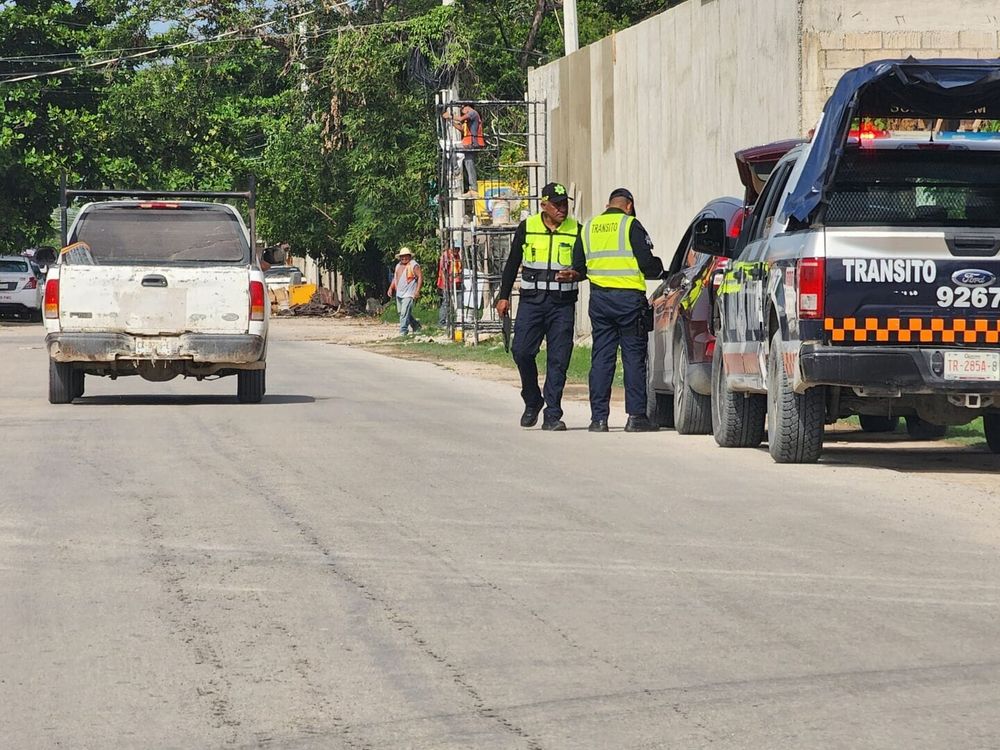
Tulum’s municipal president, Diego Castañón Trejo, urged residents and visitors to report any cases of extortion or harassment by traffic police, reaffirming that such acts will not be tolerated as the resort town prepares for the peak holiday season.
Speaking during a press conference on Tuesday morning, Castañón Trejo said that the local government is determined to address public complaints about alleged misconduct within the Municipal Transit Directorate. His remarks came as thousands of national and international tourists are expected to arrive in Tulum and the Riviera Maya for the December holidays.
“The police are here to protect, not to intimidate. We cannot allow abuses,” the mayor said. “We ask citizens to report these cases because we are acting, and we will not tolerate extortion.”
The appeal highlights a growing tension between public trust and law enforcement practices in one of Mexico’s most visited destinations.
When misconduct risks more than reputation
In a tourism-driven economy like Tulum’s, even isolated reports of police extortion can cause lasting damage. While local authorities emphasize that such incidents involve a minority of officers, the perception of corruption can spread quickly among travelers. Social media posts from visitors who claim to have been stopped for dubious traffic violations have already sparked debate on travel forums and among hotel operators.
Extortion complaints against municipal officers are not new in Quintana Roo, but they appear more damaging in towns that rely heavily on tourism. Industry observers note that visitors’ confidence often depends on the sense of fairness and safety during their stay.
A representative from a Tulum-based hotel association, who asked not to be named, said the mayor’s public statement was “a necessary message” before the high season. “Tourists talk. If one person feels cheated, hundreds more might read about it online,” the representative said.
Public trust as the backbone of tourism
Experts in public administration argue that tourism and institutional credibility are closely linked. When local governments respond quickly to allegations of misconduct, it helps prevent wider reputational crises.
For Tulum, a town where the balance between rapid growth and sustainable governance has often been questioned, Castañón Trejo’s call for citizen participation appears to be part of a broader strategy to consolidate public trust.
According to municipal sources, the administration has received a small number of formal complaints against officers this year, but authorities want to ensure that residents and tourists feel confident enough to report incidents without fear of retaliation.
“Tourism can’t thrive on insecurity,” said a local business owner interviewed by The Tulum Times. “People come here for peace, nature, and culture, not for anxiety about being stopped unfairly on the road.”
Past lessons from Quintana Roo’s tourism corridor
The state has faced similar challenges before. In 2022, reports of visitor harassment in Playa del Carmen led to a public campaign by the Secretaría de Seguridad Pública de Quintana Roo aimed at restoring trust between police and tourists. While that initiative improved public perception temporarily, analysts say consistent enforcement is what truly shapes long-term credibility.
The tourism corridor that connects Cancún, Tulum, and Bacalar thrives on repeat visitors, and repeat visitors rely on a sense of predictability and fairness. Any perception of corruption or abuse can ripple through the market, affecting not just Tulum but the entire region’s image.
A mayor’s test of leadership
Castañón Trejo’s remarks also underscore the political challenge of balancing local governance with national expectations. As Mexico continues to expand its tourism infrastructure, particularly with the opening of the Tulum International Airport and the upcoming Maya Train, public scrutiny of local security forces has intensified.
For the mayor, confronting corruption within his administration’s own ranks could serve as a test of credibility. Transparency campaigns are often praised in the short term but lose momentum if not followed by visible sanctions or systemic reforms.
“This is not only about punishing wrongdoing,” said a political analyst based in Chetumal. “It’s about proving that local governments can police themselves. That’s what investors and tourists look for.”
The wider cost of silence
Residents have long voiced frustration about inconsistent policing standards, particularly on roads connecting downtown Tulum with hotel zones. Some motorists claim that minor infractions are used as pretexts for on-the-spot “fines” that go unrecorded.
The mayor’s call to report these incidents, therefore, carries a dual message: zero tolerance for abuse, and shared responsibility for accountability. But civic participation is not always easy to encourage, especially when people fear retaliation or doubt that complaints will lead to action.
A visitor from Canada who has been coming to Tulum for eight years said she appreciates the mayor’s stance but hopes it brings visible results. “I love this place, but tourists talk among themselves. We all want to feel safe driving here,” she said.
Can transparency restore confidence before the high season?
The timing of the announcement is not accidental. The December period, when hotel occupancy often exceeds 85 percent, represents one of Tulum’s most profitable yet fragile moments. A single viral story of extortion can overshadow months of promotional work by the tourism board.
Local authorities appear aware of the stakes. By urging the public to report misconduct, the administration aims to project a message of openness and accountability, qualities that resonate strongly with both domestic travelers and international visitors seeking ethical destinations.
Still, experts warn that reputational repair requires consistent follow-up. Investigations, disciplinary actions, and transparent reporting of results will determine whether this campaign succeeds or fades into another short-lived promise.
What’s at stake for Tulum’s image
As Tulum grows into a global tourism brand, its local governance faces an equally global audience. Castañón Trejo’s declaration reflects more than an internal policy shift; it signals how Tulum wants to be seen, as a community willing to confront its own flaws.
If the administration’s actions match its words, the message could strengthen trust not only among locals but also among investors and returning visitors. But if allegations continue without accountability, the town risks reinforcing negative stereotypes that many residents and entrepreneurs have worked hard to overcome.
The coming weeks will reveal whether the mayor’s call translates into real change or remains another headline in the ongoing struggle for transparency in Quintana Roo.
The challenge is not just cleaning up the streets, it’s cleaning up perceptions.
Tulum’s mayor has positioned integrity as part of the town’s identity. Whether that stance can restore confidence in local policing will depend on the city’s willingness to follow through, case by case. Tourism in Tulum thrives on trust, and trust, once lost, takes years to rebuild.
We’d love to hear your thoughts. Join the conversation on The Tulum Times’ social media.
Do you believe stronger citizen reporting can help reduce corruption in tourist destinations like Tulum?