
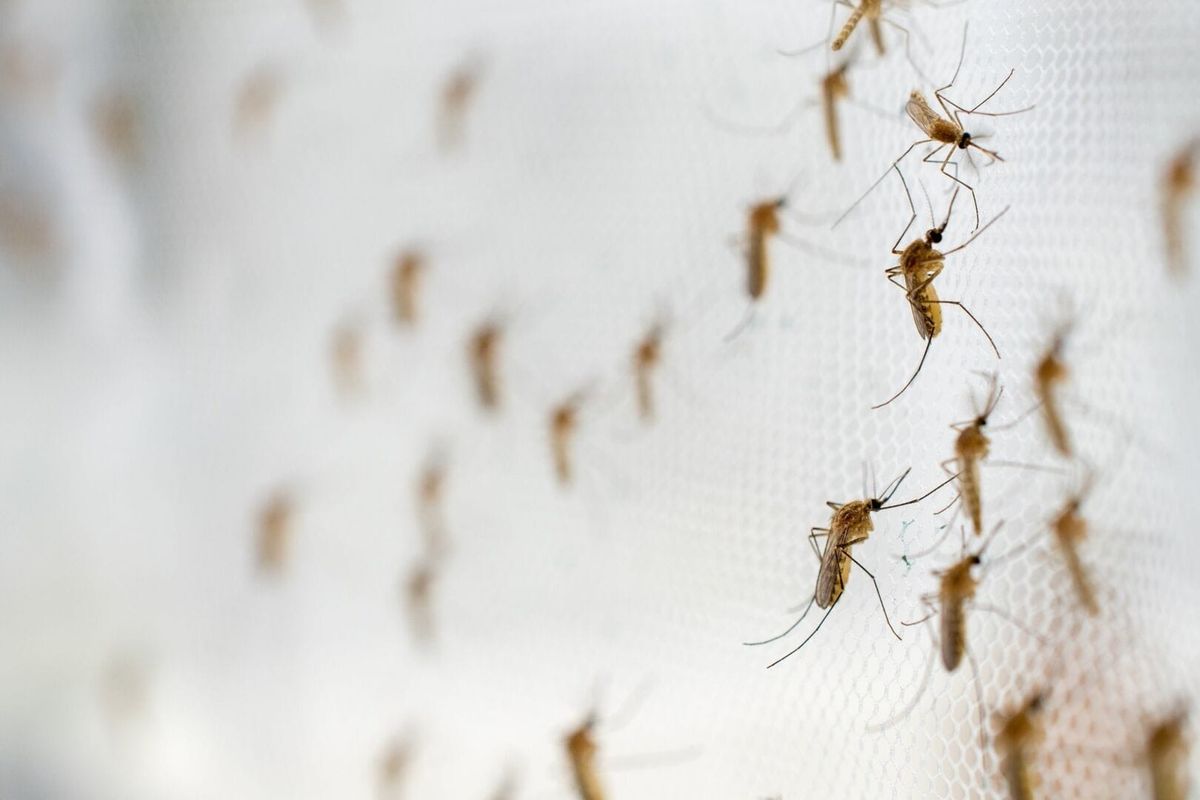
In the humid corners of Tulum, when the sun dips and shadows stretch, residents of Tumben Kaa, La Veleta, and other neighborhoods aren’t stepping outside to enjoy the breeze, they’re staying in to avoid being eaten alive.
After recent rains, the mosquito population has exploded, and locals are sounding the alarm. Pools of stagnant water have collected in potholes, vacant lots, and backyard containers, creating perfect breeding grounds for Aedes aegypti, the mosquito known for carrying dengue, Zika, and chikungunya.
And the bugs are not just outside.
“We sleep under mosquito nets, but they still get in. My kids wake up covered in bites,” said Pedro Álvarez, a resident of La Veleta. “We’re worried this could turn into something serious if the authorities don’t act now.”
The Lingering Threat of Vector-Borne Disease
Tulum, like much of the Riviera Maya, sits in a tropical zone where mosquito-borne illnesses spike during the rainy season. Dengue, in particular, has seen recurring outbreaks in past years, stretching local healthcare resources and causing public concern.
Despite preventive campaigns, the town’s rapid urban development, often outpacing infrastructure, has led to areas without proper drainage or waste management. When the rains come, these spaces become traps for stagnant water and, inevitably, mosquitoes.
Locals say they’ve seen this before. They don’t want history to repeat itself.
Residents Demand Action and Fumigation
The calls from residents aren’t quiet anymore. From Tumben Kaa to the Ejido, neighbors are urging municipal health authorities to send out fumigation brigades and step up larval control measures before cases emerge.
“In the afternoons, it’s unbearable. You can’t go out to the yard. We’ve tried fans and repellents, but it’s not enough,” said María López from Tumben Kaa. “People are getting rashes, itching all day. We need help now.”
Others echoed her urgency, including shop owners and small hotel managers in the area, who say the mosquito surge is beginning to affect business.
“If guests get bitten all night, they won’t come back. Worse, they’ll tell others not to come to Tulum,” said one local hotelier who asked to remain anonymous. “This affects all of us, not just families.”
A Silent Pressure Point
Tulum’s image as a dreamy beach town is tightly tied to its booming tourism economy. But nothing kills the vibe like a swarm of mosquitoes.
With the rainy season now underway, the risk is twofold: rising discomfort for residents and a potential hit to visitor experience. Some local business owners worry that the town’s reputation could suffer if the mosquito problem continues unchecked.
A few already report early signs of discomfort from visitors. “We had tourists ask if there’s a dengue outbreak. We told them no, but who knows for how long?” said a waiter at a popular café in La Veleta.
It’s not just about comfort. It’s about perception. And perception, especially in a tourist town like Tulum, can turn quickly.
Waiting on the Municipality
So far, the response from local authorities has been limited. Residents are calling not just for fumigation but also for educational campaigns, how to clean patios, remove breeding spots, and use repellents effectively.
Elena Martín, a resident of the Ejido, summed it up: “We don’t want a repeat of past years, when they waited until people got sick. Prevention has to come first.”
That’s the line many are holding onto as they itch through another muggy evening.
A Familiar Struggle in a Changing Town
This isn’t the first time Tulum has faced health concerns tied to infrastructure gaps and seasonal weather. But with its population growing and new developments rising on once-forested land, the balance between growth and sustainability feels more fragile than ever.
The Tulum Times has reported on issues ranging from water shortages to waste management struggles, and now mosquitoes are once again a flashpoint, revealing deeper systemic cracks.
In places like Cancún and Playa del Carmen, municipal responses to mosquito surges have often been quicker, better funded, or more coordinated. That contrast has not gone unnoticed in Tulum, where residents are left wondering: why not here, too?
As the town waits for an official response, the stakes remain high. Not just for health, but for trust. If outbreaks do occur, residents will remember the silence.
“A town like Tulum can’t afford to wait. Not when the signs are already here,” someone said. And maybe that’s the quote that should echo.
We’d love to hear your thoughts. Join the conversation on The Tulum Times’ social media.
Is this just another seasonal nuisance, or a sign of deeper problems that Tulum must finally address?