
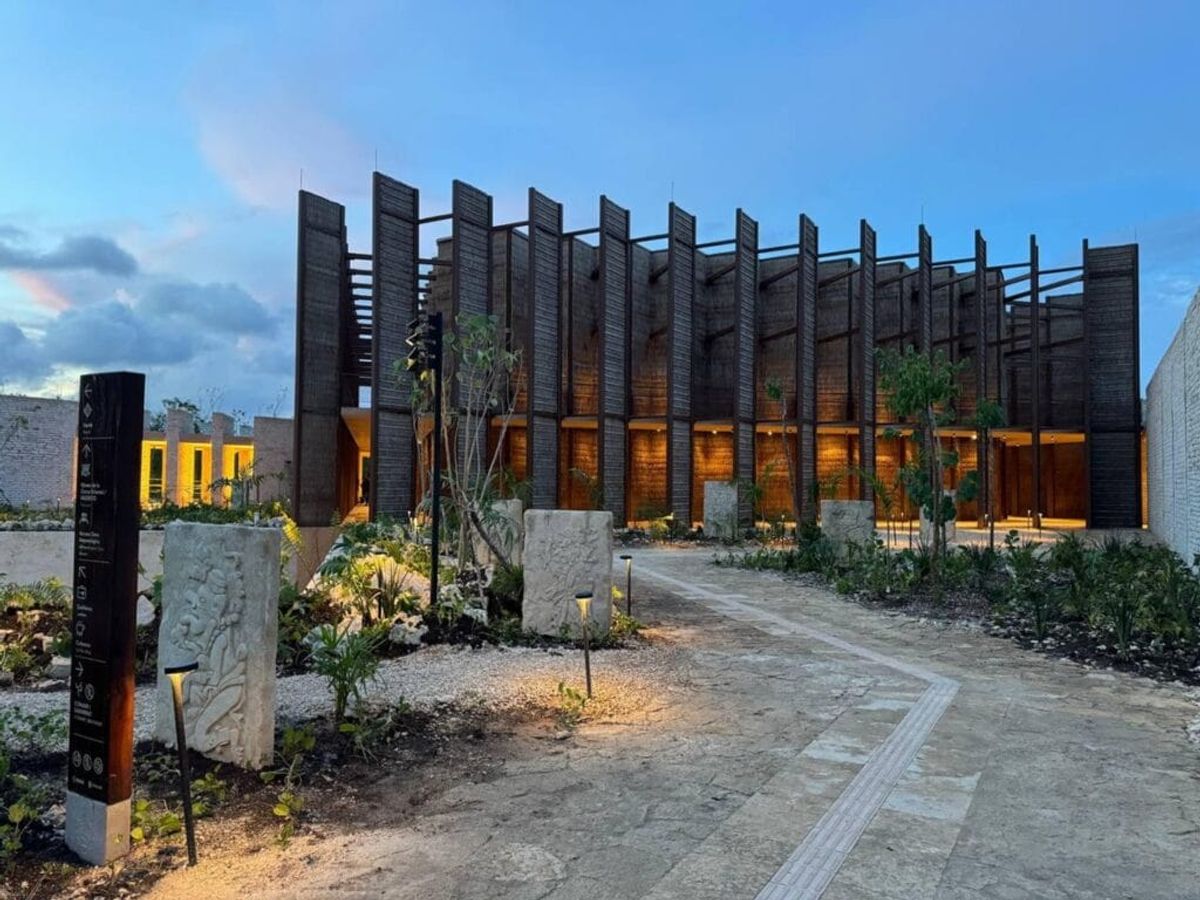
Five years after the first confirmed COVID-19 case in Quintana Roo, an unconventional cultural project is reframing how communities process collective trauma. MURECO: Pandemic Dialogues, a provocative exhibition at Tulum’s Museo de la Costa Oriental, has drawn over 12,000 visitors since its April 2025 debut, a testament to its resonance in a region disproportionately impacted by pandemic-era tourism collapses. Curators describe it as “an archaeological dig through living memory,” blending contemporary art, oral histories, and ecological metaphors to challenge simplistic narratives about the global crisis.
Unearthing the Pandemic’s Hidden Layers
Located within the Jaguar Park ecological reserve, the museum transforms its jungle-adjacent galleries into a sensory timeline. Visitors navigate installations mimicking field hospitals’ fluorescent glare, touch-reactive walls projecting shifting infection maps, and suspended sculptures made from melted-down PPE materials. One striking piece, Breath Archive, converts audio recordings of survivors’ breathing patterns into pulsating light sequences, creating an eerie chorus of human resilience.
Art as Social X-Ray
“We’re resisting the urge to neatly package this history,” explains lead curator Fernanda Ixchel during a walkthrough. Her team spent 18 months interviewing healthcare workers, street vendors, and displaced immigrants, with their testimonies materializing as QR-coded story fragments hidden in ceramic puzzle tiles. “The pandemic peeled back societal structures like weathered paint. This exhibition isn’t about answers, it’s about sitting with the cracks we discovered.”
Local Artists Reclaim the Narrative
Of the 47 participating creators, over 80% hail from southeastern Mexico. Yucatán-born visual artist Ronaldo Canul presents a haunting series of Mayan glyphs reinterpreted through pandemic iconography: Ik’ (wind) spirits wearing face shields, Kimi (death) figures washing hands in cenote water. “Our ancestors survived plagues without losing their worldview,” notes Canul. “That duality of adaptation and cultural continuity became my compass.”
The Forest as Witness
An open-air installation stretches beyond gallery walls, with biodegradable sculptures dissolving gradually into the soil, a deliberate metaphor for societal healing. Park ecologists collaborated on displays showing how local ecosystems responded during 2020-2022’s “anthropause.” Motion-activated speakers play juxtaposed audio: ventilator alarms fading into howler monkey calls, pharmacy price gouging arguments drowned out by rising waves.
Provoking Public Reflection
Visitor logs reveal striking generational divides. Older attendees often linger at a reconstructed 2021 vaccination site, touching the frayed ropes that once organized anxious crowds. Teenagers gravitate toward augmented reality stations where they “erase” virtual misinformation memes by painting over them with historical facts. “I expected sadness, but it’s more like…a mirror showing how fragile and fierce we all became,” remarks Sofia Marín, a Cancún teacher visiting with her students.
The Ethics of Memory
Controversy emerged around a section critiquing pandemic tourism policies. Interactive screens display canceled hotel reservations alongside migrant worker deportation records, accompanied by a live ticker calculating tourism revenue earned during mask mandate violations. While some politicians decry it as “revisionist,” public health researchers praise the museum for “hosting uncomfortable conversations commercial venues avoid.”
Beyond Memorialization
Rather than a static monument, MURECO evolves monthly. August 2025’s update features a community quilt stitched from fabric scraps representing lost livelihoods, fishnet from abandoned dive shops, hotel linen fragments, traditional huipil embroidery. Curators invite visitors to add their own patches, symbolizing participatory recovery. “Grief isn’t linear, and neither is this exhibition,” Ixchel observes. “We’re all still learning how to carry this era forward.”
MURECO: Pandemic Dialogues runs indefinitely at Museo de la Costa Oriental, with rotating installations and free community workshops. As Tulum continues reconciling its identity as both a wellness haven and COVID-19 hotspot, this exhibition offers something revolutionary: space to mourn, question, and reinterpret resilience on collective terms.
How has your community memorialized the pandemic era? Join the conversation using #TulumDialogues on The Tulum Times’ social platforms.