

The Danza de los Voladores de Papantla performers have announced their departure from the Tulum Archaeological Zone after more than three decades of continuous presentations, saying a drop in visitors has made it financially impossible to continue. The move removes one of the most visible traditional cultural expressions from one of Tulum’s best-known sites and directly affects the livelihood of the people who performed there.
Juan García, a member of the group and a native of Papantla, Veracruz, said the decision was driven by lower public attendance, which has sharply reduced the income tied to each presentation. Without enough spectators, he said, the dancers themselves have had to cover basic expenses, including food, transportation, and rent, while bringing in too little money to sustain the activity.
For Tulum, the change is both economic and cultural. The departure affects the performers who relied on the site as a source of income, even if only as supplemental earnings for some, and it also alters the experience offered to visitors who for years encountered the ceremony as part of the destination’s broader cultural setting.

A long-running tradition leaves the site
For about 30 years, different groups of voladores performed in Tulum as part of the area’s cultural environment, offering a traditional spectacle watched by domestic and international visitors. Over time, the ceremony became one of the recognizable cultural presences around the archaeological site, connecting a major tourism destination with an ancestral practice that the performers say is central to their identity.
That continuity has now been broken by a prolonged decline in tourism, according to the group. García said the drop in visitors has undermined the conditions needed to keep presenting at the site. As attendance fell, so did income, and the group began to lose members gradually.
The decision to leave does not appear to reflect a rejection of the tradition itself. On the contrary, García said the group sees the practice as something that goes beyond money, even as the immediate reason for withdrawing is financial pressure. In his account, the problem is that the symbolic and cultural value of the ceremony has not been enough to offset the day-to-day costs of staying in Tulum and continuing the performances under current conditions.
That distinction matters in Tulum because it shows the loss is not simply the end of an entertainment offering. It is the withdrawal of a living practice that had remained visible in one of the area’s most visited spaces for decades, until the economics no longer worked.

Income pressures behind the exit
García said the group had reached a point where continuing meant assuming costs without the public turnout needed to recover them. Food, transportation, and rent became expenses the dancers had to absorb themselves, he said, despite insufficient income from their appearances.
The financial strain described by the group points to a practical problem for workers whose earnings depend on tourist movement. In Tulum, where many activities around major attractions are tied in some way to visitor volume, a decline in foot traffic can quickly reach beyond hotels, restaurants, and transport services. It can also hit independent cultural performers whose work is visible to tourists but not insulated from fluctuations in attendance.
In this case, the effect is immediate and personal. The dancers are not only losing a place to perform. They are losing a place where their cultural work could also help support daily life. García said that for some members the activity represented an additional source of income rather than their only livelihood, but that did not make the shortfall insignificant. It still formed part of how they sustained themselves.
And in practical terms, that left the group in a position where continuing at the archaeological zone no longer made economic sense.

More than a performance
The Danza de los Voladores de Papantla is described by the group as an ancestral practice of pre-Hispanic origin that symbolizes a connection with nature and the balance of the elements. It also demands a high level of physical skill from those who perform it.
That meaning is central to how the dancers explain their withdrawal. García said the practice is part of their cultural identity, which is why the group has also worked to pass the tradition on to younger generations. Preserving it, he said, has remained one of their goals even as the local conditions for performing have worsened.
The loss for Tulum therefore has two layers. One is visible and immediate: visitors to the site will no longer encounter one of the area’s most representative traditional expressions in the same way. The other is less visible but more enduring: a cultural practice that had remained active in a major tourism setting is being pushed to relocate because it can no longer support the people who carry it forward.
That tension between cultural continuity and economic survival is difficult to ignore. A tradition may retain deep meaning for those who perform it, but it still depends on conditions that allow practitioners to remain present, pay expenses, and continue training others.
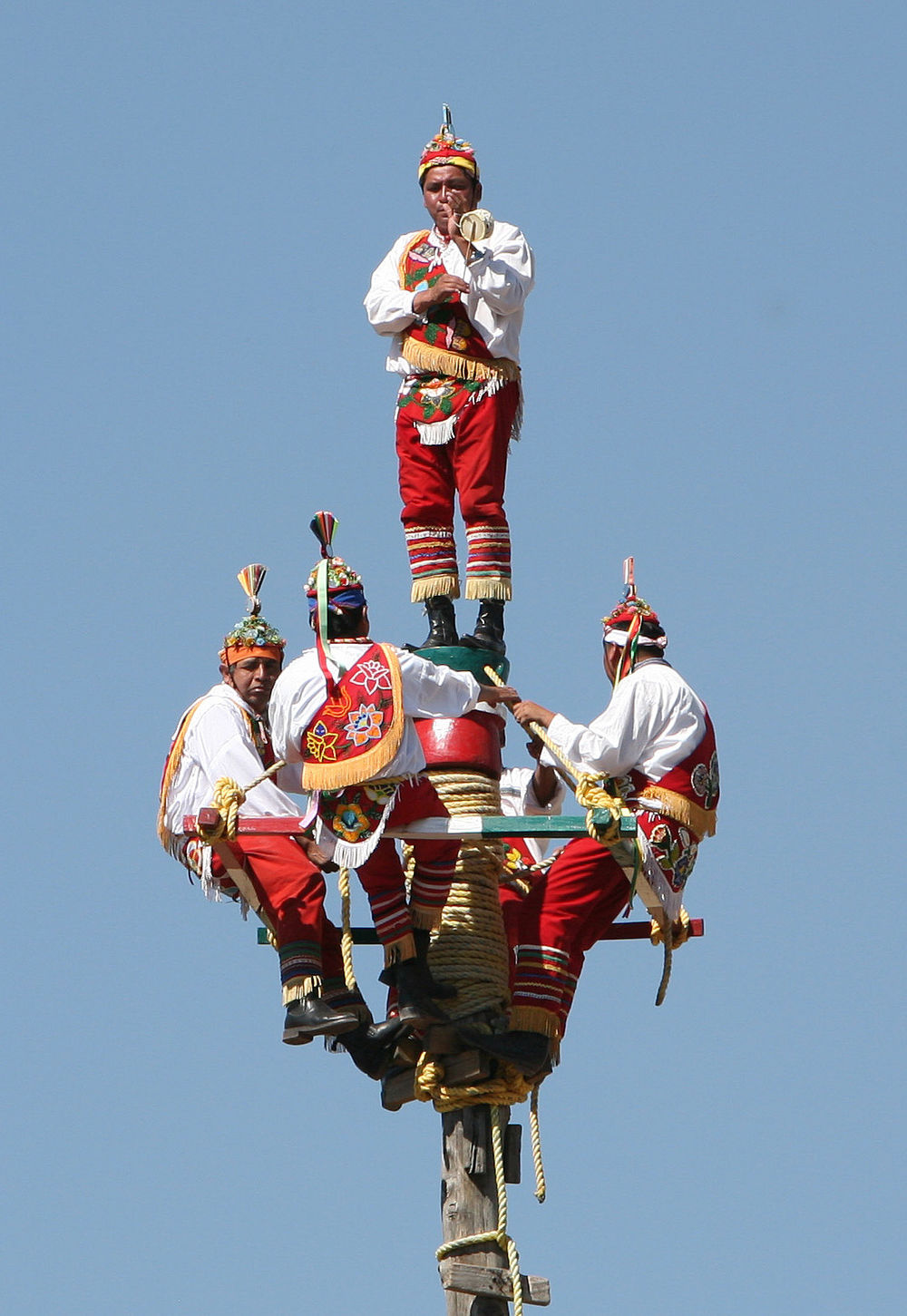
What Tulum loses now
The group’s departure means the archaeological site will be without one of its most familiar cultural manifestations, according to the information shared by the performers. For Tulum, that changes the composition of the cultural offer presented to tourists, especially at a location strongly associated with the destination’s public image.
The impact also extends beyond the group itself. The absence of the voladores affects how local culture is experienced by visitors and reduces the visibility of a practice that had occupied a consistent place in the area for years. In that sense, the loss is not only about who performs, but also about what the destination presents as part of its living cultural identity.
There is also a clear near-term consequence. The performers are now seeking new venues where they can continue their presentations and secure their income. That search will determine where the tradition remains publicly visible next, even if it no longer has a place at the Tulum ruins.
The shift leaves a simple but significant reality for Tulum. A traditional expression that had long formed part of the destination’s cultural landscape is no longer at one of its most emblematic sites because fewer visitors made it unsustainable for the people performing it.
For readers in Tulum, the immediate question is not whether the tradition still matters to those who practice it. García made clear that it does. The question is whether there are still spaces where a practice like this can remain both culturally present and economically viable.
The Tulum Times will continue following what happens next as the group looks for other venues. What is at stake now is both the performers’ livelihood and the public place of the Danza de los Voladores de Papantla in Tulum’s cultural life. We’d love to hear your thoughts. Join the conversation on The Tulum Times’ social media. What does Tulum lose when the Danza de los Voladores de Papantla disappears from one of its most visible sites?