
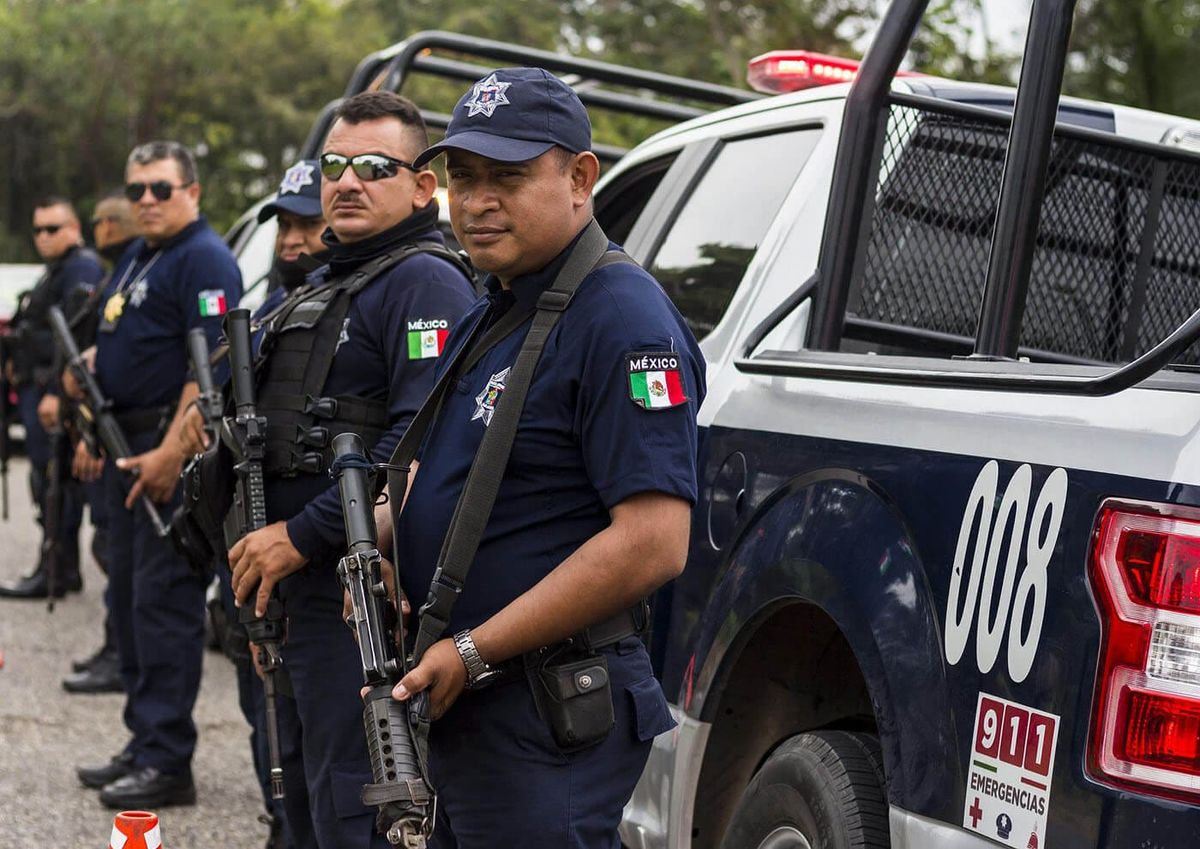
A recent viral post on social media has shaken the sunny façade of Tulum’s tourism reputation. Foreign visitors, reportedly American, claim they were forced to pay $1,100 to local police officers to avoid arrest during a roadside stop on Avenida Kukulkán. The reason? Driving without a license. The method? An electronic payment, allegedly requested on the spot by officers.
The case has since triggered a public reaction, official scrutiny, and raised hard questions about trust, tourism, and the abuse of authority in one of Mexico’s most-visited beach towns.
Allegations spark official response and internal investigation
The Secretariat of Public Security and Citizen Protection (SSPyPC) responded swiftly. In an official statement, the agency acknowledged the allegations and confirmed that it had launched an internal process to locate and contact the tourists involved. The goal, it said, was to obtain reliable, firsthand accounts to clarify what actually happened, and, if necessary, assign responsibility under the law.
Yet the SSPyPC also pushed back.
According to the statement, the viral post lacked solid evidence. The screenshot circulating online, purportedly a chat describing the incident, was flagged as potentially manipulated. The image of the police unit attached to the post also didn’t match the geographic location where the event was said to have occurred, the agency noted. That, too, raised doubts.
Still, the message was clear: the authorities aren’t brushing this aside.
Kukulkán checkpoint case stirs local reaction
While the evidence may be under question, the public’s reaction isn’t.
The story struck a nerve in Tulum, where growing pains around development, policing, and accountability continue to collide. Locals and repeat visitors voiced frustration online, pointing to other, similar encounters that have gone unreported or unresolved.
At the center of the storm is Avenida Kukulkán, a road that’s more than just a route to the beach. It’s become a pressure point, where tourists, authorities, and sometimes corruption converge. The claim that a $1,100 bribe was requested there didn’t sound shocking to some residents. It sounded familiar.
A bartender in the Aldea Zama neighborhood, who asked not to be named, recalled a moment earlier this year when two of his customers returned to the bar visibly shaken. “They weren’t drunk,” he said. “They were scared. Said the police asked for money right there on the road.”
Trust on the line in Tulum’s security narrative
The SSPyPC’s statement didn’t just address the incident, it addressed the stakes. It warned that unverified online content can fuel distrust, damage institutional reputation, and deepen social division. In other words, viral posts aren’t harmless. They matter.
That’s a fair point, but it also puts the spotlight back on the police.
Public security institutions, particularly in tourism hubs like Tulum, must walk a tightrope. On one side, they are tasked with protecting visitors and locals. On the other hand, they are under intense scrutiny for alleged misconduct. Even a single credible case of corruption, especially one involving tourists, can damage not only a department’s reputation, but the tourism economy itself.
The Tulum Times has previously reported on growing concern among hoteliers and tour operators about how these incidents are handled. Transparency, they argue, isn’t just a value. It’s a business imperative.
“Zero tolerance” meets social media skepticism
In the face of the growing backlash, the SSPyPC reiterated its commitment to transparency, legality, and human rights. It emphasized a “zero tolerance” policy for corruption and encouraged citizens and tourists alike to file formal complaints when they witness or experience police abuse. The institution stressed that strong, evidence-based complaints are essential to launch solid investigations.
Still, skepticism lingers.
In digital spaces where personal stories can travel faster than facts, the line between perception and reality blurs. And when a tourist claims they were asked to pay over a thousand dollars to avoid a night in a Mexican jail, the story tends to stick, especially when others start chiming in with similar experiences.
“This isn’t about one post,” a local tour guide told The Tulum Times. “It’s about what it says about the system.”
A call for accountability, and clarity
Authorities say the case will be followed closely and disciplinary measures will be applied if misconduct is proven. But proving it might not be simple. Without formal statements, hard evidence, or witness cooperation, the case risks becoming another unresolved incident.
Meanwhile, Avenida Kukulkán continues to buzz with rental scooters, beach-bound vans, and the occasional police checkpoint. For many visitors, it’s a road to paradise. For some, it’s now a symbol of unease.
Tulum isn’t alone in this. From Cancún to Playa del Carmen, tourists have raised concerns about roadside interactions with police. Yet the response in Tulum, swift, defensive, and high-profile, signals that local institutions might be learning to take reputation management more seriously.
The question is: will actions match the rhetoric?
What’s at stake for tourism in Tulum?
This incident might fade from headlines, or it might become a case study in how not to handle police complaints in tourist zones. Either way, the damage, to perception, if not reality, has been done.
As the investigation unfolds, Tulum stands at a crossroads. Will it double down on public accountability, or hope the storm passes?
We’d love to hear your thoughts. Join the conversation on The Tulum Times’ social media.
Do you think local authorities are doing enough to prevent police abuse in tourist areas?