

It took five years, a revolving door of legal maneuvers, and the quiet rage of a man who refused to be erased. But on a humid Monday morning in Tulum, with salt in the air and resolve in his bones, Don Víctor Manuel Chávez de la Torre got his land back. “Camping Chávez,” a stretch of coastal earth at kilometer 8.5, once vibrant, then silenced under trespass, returned to its rightful steward. The case had become a quiet referendum on Tulum property rights, and for once, the outcome tilted toward justice.
The Battle Beneath the Palms
The legal war wasn’t loud, but it was brutal. The terrain at stake wasn’t just another beach plot. It was parcel 1,780, west side of the coastal strip, a patch of jungle edged with mangrove and cenote, where raccoons and howler monkeys once roamed free. It had been seized under the shadowy pretense of legitimacy, fronted by a man named Miguel Aburto López who, in a curious twist of evasion, never even showed up in court. Behind him, pulling the strings, loomed Jorge Caguachi Macarí.
Sergio Antonio Sulib Arceo, the lawyer who stood shoulder to shoulder with Don Víctor through the years of litigation, recounted the turning point. On November 28, 2023, the Fifth District Court of Quintana Roo delivered a sharp, unequivocal ruling. Chávez was the rightful owner. The land was his. Period. When the opposition tried to unravel the verdict, it didn’t hold. On June 6, 2025, the First Circuit Collegiate Court sealed the decision like a gavel cracking concrete. No more appeals. No more stalls.
A Return Marked by Scars
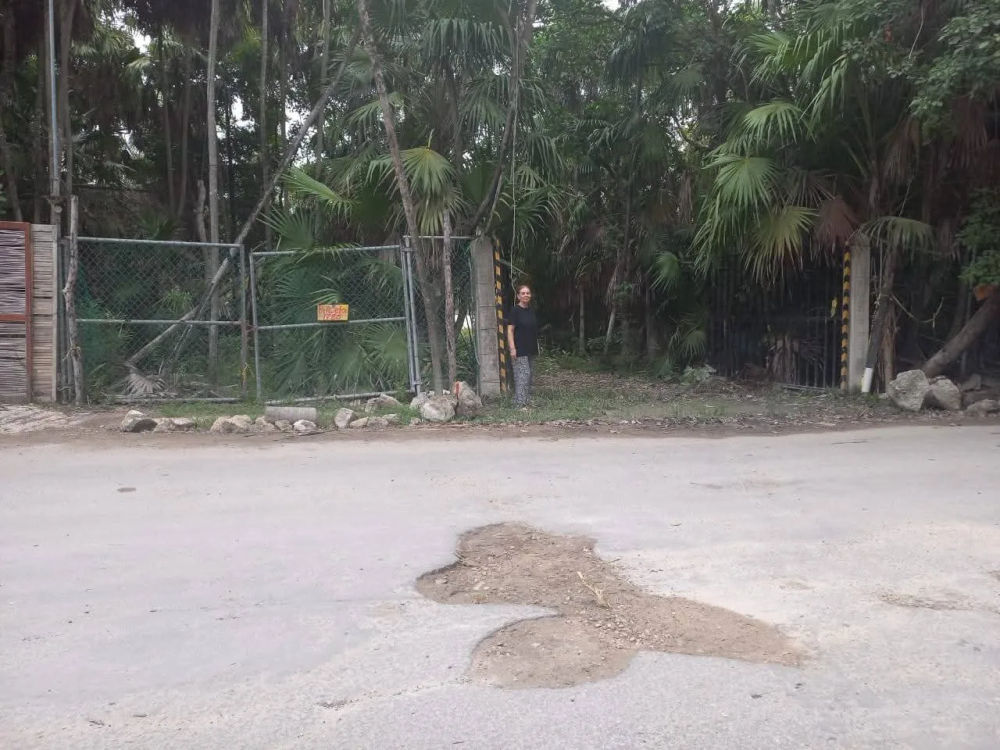
Don Víctor stood on his land again, older now, with that look people get when they’ve stared at the machinery of injustice and lived to tell about it. “This is justice,” he said, not as a celebration, but as a survival. His voice carried the weight of each hearing, each delay, each hope deferred. “They gave me full protection,” he added, explaining how the ruling had been contested and still upheld. That Monday, the barriers were lifted. The seals were removed. The jungle welcomed him back, kind of.
Because what he found was not what he left.
The Cost of Absence
Where there had once been harmony, now there was damage. Mangroves razed. Wildlife displaced. Biodiversity, fragile, irreplaceable, uprooted. “There’s a cenote here,” he said, his eyes scanning the wound in the earth. “Monkeys, raccoons… it was all part of it. Now everything’s altered.” His words weren’t just a lament. They were an indictment of a system that too often turns its back while land is quietly plundered.
In his testimony, he didn’t just speak of personal loss. He gestured at something larger: an original Tulum being devoured by speculation and greed. It’s not just about property, not really. It’s about what we mean to preserve, about who gets to belong. Tulum property rights, once an abstract legal category, had become visceral. Real. Tangible.
A Glimmer Through the Bureaucracy
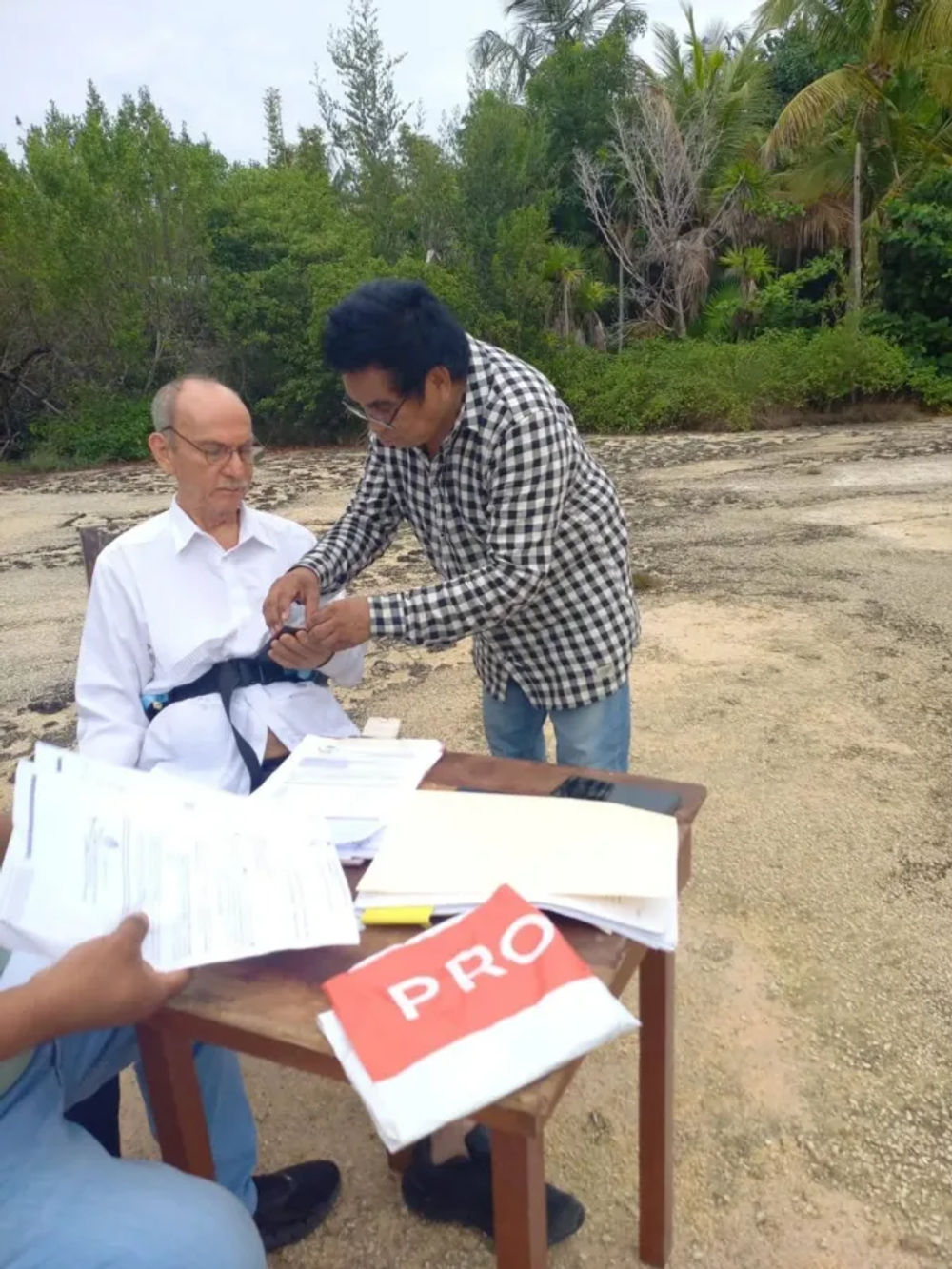
He didn’t forget to name those who helped him. Raciel López Salazar, the new Attorney General, earned particular praise. “He followed the judge’s order to the letter,” Don Víctor noted. It was a rare moment of trust in institutions that often seem designed to exhaust the very people they’re meant to protect.
And maybe that’s the real story here. Not just that justice was done, but that it can be done, even in Tulum, even after years of being told to wait, to settle, to forget. The restitution of Chávez’s land may seem like a local event, a footnote in a coastal dispute. But in a region where illegal land grabs and speculative invasions have become routine, it marks something more.
The Weight of Precedent
This case is now a flag in the sand. It warns, it inspires, it demands attention. For every Don Víctor who wins, there are others still fighting, still waiting for the courts to hear their stories. And while this win doesn’t rebuild the mangroves or un-displace the monkeys, it does something else, it draws a line. A legal one. A moral one.
In the escalating theater of Tulum property rights, this was a victory carved from attrition and grit.
We’d love to hear your thoughts, join the conversation on The Tulum Times’ social media.