

On a sun-scorched stretch of coastline that once promised open access and community prosperity, something is breaking.
This Sunday, August 31, at precisely 10 a.m., the four main entrances to the Tulum Archaeological Zone will be blocked. Not by nature, but by its people. A coalition of residents, small business owners, and tourism service providers, exhausted, exasperated, and increasingly excluded, will bring the traffic to a halt in protest.
The target of their fury? Grupo Mundo Maya (GAFSACOMM), the company behind the ambitious but increasingly controversial Parque del Jaguar. A project once hailed as a flagship of ecological tourism is now being blamed for economic suffocation and social division.
“Estamos hartos,” the community chat thread reads. “We are fed up.”
When Access Becomes Exclusion
Originally, the promise was simple: locals would maintain free access to the beaches and parklands that surround Tulum’s historic ruins. But that promise, many say, has been quietly broken.
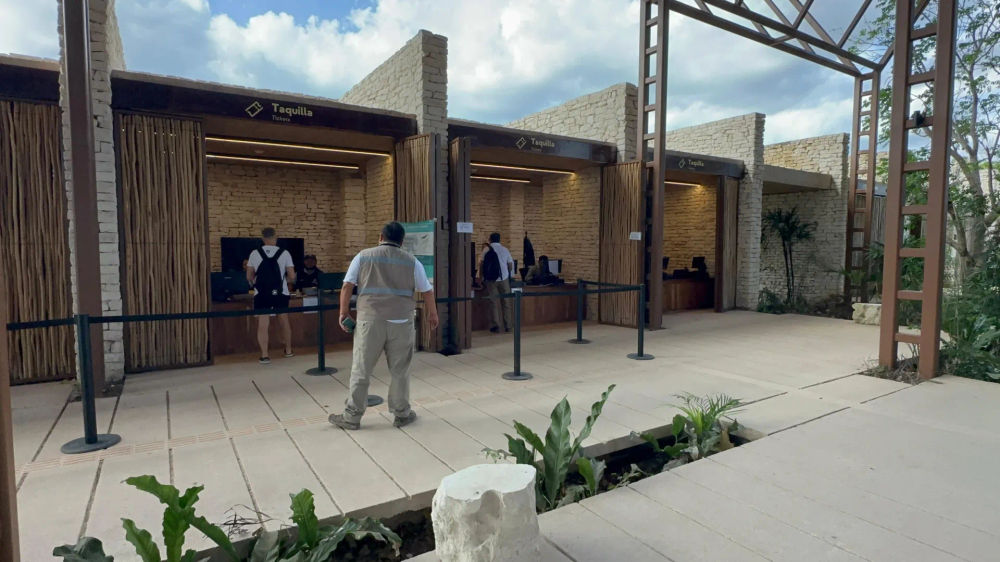
Grupo Mundo Maya, appointed by the federal government to manage Parque del Jaguar, is now accused of enforcing access fees and filter checkpoints that not only strain wallets but fracture the very identity of the town. Locals speak of a creeping shift, from public space to private product, from community pride to corporate control.
“We’re not leaving until the unfair fees on our tourism are stopped,” protest organizers said bluntly.
The protest is not spontaneous. It’s a long-simmering reaction to a model that many argue benefits outsiders more than the people who call Tulum home. Residents from the surrounding Riviera Maya, especially from poorer municipalities like Felipe Carrillo Puerto, face higher entry costs than even some international tourists. The word “discrimination” now appears regularly in conversations about access.
The View From the Driver’s Seat
Moisés Pool Quijano knows these roads well. As head of the local chapter of the National Union of Transport Workers (UNTRAC), he’s heard the complaints from his passengers, many of them visiting from Cancún or Playa del Carmen.
“Visitors tell us directly how unpleasant it is,” he says. “Too many fees. Too many barriers. It’s no longer the Tulum they expected.”
The transport sector, already under pressure, has seen demand shrink as fewer tourists opt to endure the maze of filters and costs now associated with a simple beach day. UNTRAC has joined the movement, pledging peaceful participation in Sunday’s protest.
This isn’t just about beach access. It’s about livelihoods. From tour guides to taco vendors, from artisanal shops to boat cooperatives, the ripple effects of Parque del Jaguar’s policies are being felt in every pocket of the local economy.

A Silent War Over Public Space
While the official rhetoric celebrates “sustainable development,” many locals see a very different reality. The transformation of Tulum’s coast into a monetized experience, where natural beauty comes with a price tag, feels to some like a betrayal.
Mayor Diego Castañón, breaking from the usual political line, has publicly echoed the concerns. He criticized the rising costs in coastal zones, saying they were “driving tourists away in search of freer destinations.”
And they are. Travelers now speak of Bacalar with longing. Of Holbox with hope. Places where paradise hasn’t been fenced in or priced out, yet.
The question echoing through Tulum’s WhatsApp groups and street corners is unsettling but clear: Who is Tulum for?
A Town Draws the Line
The protest’s organizers aren’t asking for luxury or privilege. They’re asking for respect, for inclusion, and for a return to shared stewardship of the land. The blockade is their way of drawing a line in the sand, literally.
As the trucks line up at the entrances this Sunday, the message will be loud and unmistakable: the community refuses to be a silent partner in its own displacement.
There’s irony here. A park named after the jaguar, that ancient symbol of strength and guardianship, has become a wedge between the people and the place they’ve protected for generations.

Context: Not Just a Tulum Problem
What’s unfolding in Tulum isn’t isolated. Across Mexico’s tourist corridors, from the mega-resorts of Cancún to the boho enclaves of Sayulita, tensions are rising over who gets to benefit from development.
The Riviera Maya, long celebrated for its mix of mysticism and modernity, now finds itself at a crossroads. Growth is inevitable. But growth without equity is simply extraction.
Parque del Jaguar might be the flashpoint, but the deeper issue is a pattern of top-down decisions that ignore local voices in favor of polished press releases and inflated visitor stats.
As one artisan vendor put it, “They count the tourists, but not the people who live here.”
What’s at Stake?
Tulum’s tourism engine is sputtering, not from lack of interest, but from policy friction and growing resentment. If visitors feel squeezed and locals feel shut out, the golden goose may well fly elsewhere.
Projects like Parque del Jaguar could represent a bold future for ecological tourism. But only if that future includes those who’ve built the foundations of Tulum’s allure.
Until then, expect more than traffic delays this Sunday. Expect a reckoning.
“We’d love to hear your thoughts. Join the conversation on The Tulum Times’ social media.”
Do you think tourism development in Tulum is serving the right people, or leaving the locals behind?