
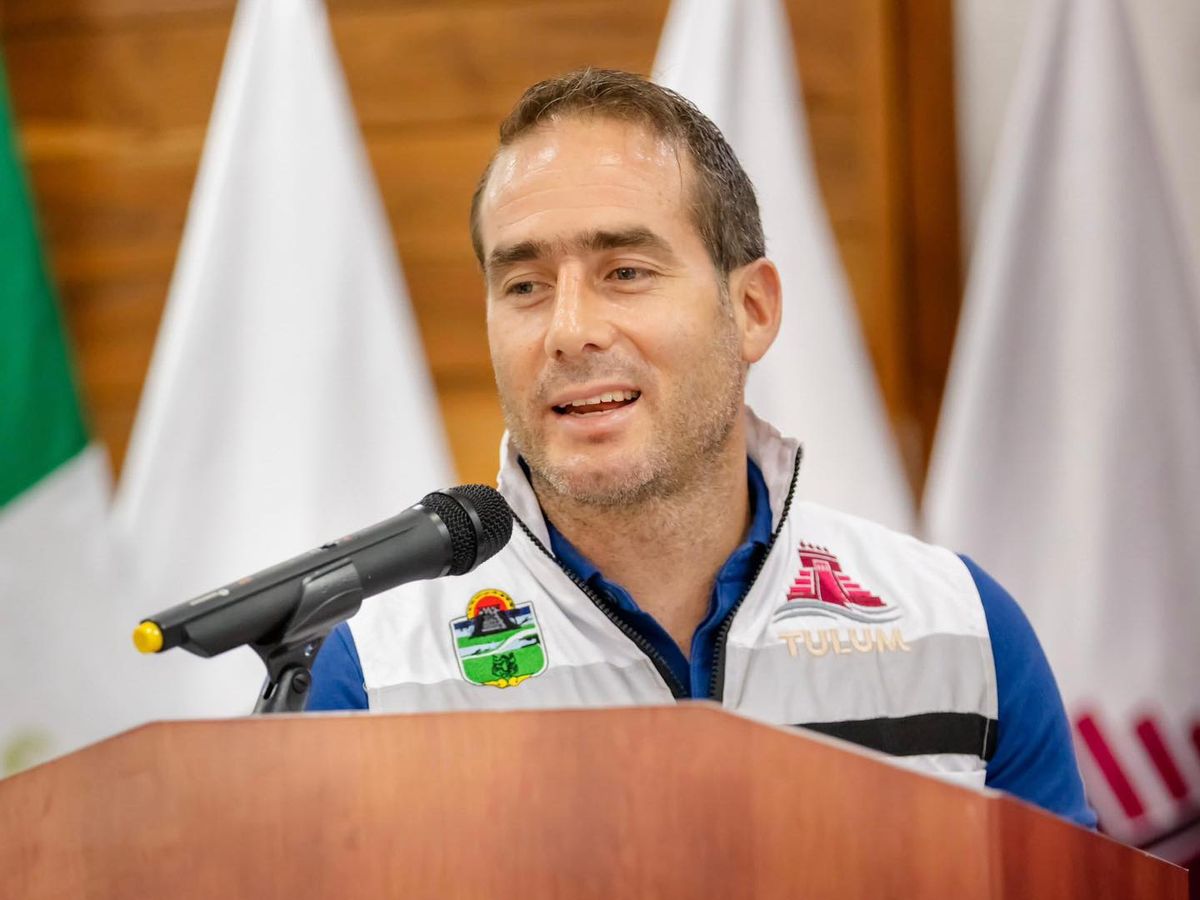
It’s not every Monday that comes laced with a promise. But this one, bathed in Caribbean heat and civic intent, carried the unmistakable weight of change. Mayor Diego Castañón Trejo stepped up, not with fanfare or empty rhetoric, but with a weekly commitment: Tulum Avanza y Comunica, a standing conference that aims to pry open the often-opaque machinery of municipal government and let the people see what’s ticking inside.
Tulum Avanza y Comunica: A New Civic Ritual
From the mouth of the mayor himself came the pledge, every week, this administration will go live from the Cabildo Hall, not just to announce progress but to answer to it. Castañón didn’t mince words. These aren’t just press briefings. They’re meant to be a bridge. A weekly ritual. A direct channel between government brass and the people of Tulum.
And not just fluff. These sessions will cut across the full map of civic concern, public works, security, social programs, garbage collection, and sustainable tourism. A mosaic of community needs pulled into focus. The goal? Transparency. Accountability. And a kind of political intimacy rarely seen in beachside governments.
But what does this actually mean?
It means directors from every key department will have to show up with facts, not fiction. It means city officials won’t get to hide behind bureaucratic fog. And it means citizens might, just might, start to believe their voices carry weight in the halls of power.
Safety First: A Crackdown with Teeth
One of the sharpest moments of the inaugural session came from Edgar Aguilar Rico, the Secretary of Public Security and Citizen Protection. His tone was flat, but the message had force: “We’re in the field 24/7. We’re not just watching, we’re acting.”
And the numbers back him. In just one week, police operations ramped up, leading to multiple arrests, including five individuals caught red-handed with narcotics. That’s not just a bust, it’s a message. A signal to the underworld that the days of looking the other way are over, at least for now.
Tulum, often romanticized for its turquoise coastlines and bohemian charm, also wrestles with a darker undercurrent, organized crime, drugs, and the ever-present pressure of rapid growth. These arrests, modest as they may seem, land like the first punch in a long-awaited fight.
Infrastructure in Motion: From Dust to Pavement
Beyond security, the mayor dropped another figure into the conversation: 18. That’s the number of public works currently underway throughout the municipality. Roads, mostly, pavement laid down not just in the central zones but in places like Akumal, Macario Gómez, and neighborhoods long brushed aside by previous administrations.
It’s more than asphalt. It’s a shift in visibility. These works bring with them dignity, said Castañón. And in a town where tourism dollars often orbit far from local hands, dignity isn’t a luxury, it’s overdue.
A Government on Record
If this weekly initiative holds, it could turn into something rare: a government that not only speaks, but listens; not only plans, but reports. Whether it becomes an echo chamber or a civic sounding board will depend on follow-through, on how deeply it opens itself to scrutiny.
But this first step, tentative though it may be, matters. It’s a microphone offered to accountability. A podium given to transparency.
And in a town where silence has too often masked inaction, the sound of voices, firm, direct, unfiltered, might be the most radical thing of all.
We’d love to hear your thoughts, join the conversation on The Tulum Times’ social media.