

Tulum has been ranked as the second strongest tourism brand in the Mexican Caribbean, surpassed only by Cancún and overtaking the Riviera Maya, according to state tourism authorities. The shift signals a significant change in how destinations in Quintana Roo are positioned and perceived in global tourism markets, with Tulum consolidating itself as a brand with its own identity rather than a sub-destination within a broader region.
The new ranking reflects a deeper transformation in the state’s tourism narrative. Instead of competing primarily on visitor volume or large-scale infrastructure, destinations are increasingly measured by brand recognition, symbolic value, and the type of experiences they offer. Tulum’s rise highlights this evolution and underscores how lifestyle-oriented tourism has gained prominence among international travelers.
A branding shift reshapes Quintana Roo’s tourism map
For years, the Riviera Maya functioned as the umbrella brand for much of central and southern Quintana Roo, encompassing multiple destinations with diverse profiles. That hierarchy is now changing. Tulum’s advancement to second place suggests that global audiences increasingly recognize it as a standalone destination, distinct in character and appeal.
According to state tourism officials, this repositioning is not solely tied to growth in visitor numbers. Instead, it is the result of sustained brand construction that moves beyond traditional sun-and-beach promotion. Tulum has been marketed as a destination that blends entertainment, nature, culture, and wellness, a combination that aligns closely with current international travel trends.
This change matters locally because branding directly influences investment decisions, visitor expectations, and the type of tourism that develops on the ground. A stronger brand can attract higher-spending travelers, but it also shapes the pressures placed on local infrastructure, housing, and natural resources.

Identity over volume in destination competition
Unlike mass tourism models that prioritize scale, Tulum’s positioning emphasizes identity and experience. Market studies cited by tourism authorities compare Tulum to Ibiza for its electronic music scene, nightlife, and high-profile entertainment offerings. Other analyses liken it to Bali due to its focus on wellness, yoga, and spiritual reconnection.
This dual identity broadens Tulum’s appeal across multiple segments of the international market. Travelers drawn to nightlife and events coexist with those seeking retreats centered on health and well-being. The result is a destination perceived less as a conventional resort area and more as a lifestyle hub.
For residents and local businesses, this positioning has tangible consequences. It influences the types of hotels, restaurants, and services that open, as well as pricing levels and employment opportunities. It also raises questions about balance, as the coexistence of nightlife-driven tourism and wellness-oriented travel can create competing demands on public space and community life.

Hotel occupancy supports the brand narrative
The performance of Tulum’s hotel sector reinforces its elevated brand status. The destination closed the year with an average hotel occupancy of 83.5 percent, a figure that typically characterizes peak seasons rather than annual averages. This level of demand has continued through the winter months, traditionally the strongest period for the destination.
Even during the final week of January, when occupancy often softens, hotels in Tulum reported an average rate of 71.2 percent. Tourism sector expectations indicate that high occupancy levels are likely to persist at least through March, driven largely by international demand.
These figures matter because they demonstrate that Tulum’s brand strength translates into consistent economic activity. High occupancy supports employment, increases tax revenues, and sustains a wide network of service providers. At the same time, sustained demand intensifies pressure on transportation, water supply, and waste management systems, challenges that local authorities and communities continue to face.

Marketing strategy targets high-value tourism
The state’s tourism promotion strategy has played a central role in Tulum’s ascent. According to Andrés Martínez Reynoso, director of the Consejo de Promoción Turística de Quintana Roo, Tulum has secured a significant place on the global tourism map by focusing on high-value tourism rather than sheer volume.
This approach prioritizes sustainability and authentic experiences that connect visitors with local identity. The objective is to attract travelers who are willing to spend more per visit and who seek differentiated offerings, from boutique accommodations to curated cultural and wellness experiences.
For Tulum, this strategy affects who is directly impacted by tourism growth. Local entrepreneurs, tour operators, wellness practitioners, and hospitality workers stand to benefit from higher per-capita spending. However, the emphasis on premium experiences can also contribute to rising living costs and increased competition for housing and services.

Diversification of international markets
Another factor strengthening Tulum’s brand is the diversification of its visitor base. In addition to strong demand from North America, the destination has seen growing interest from Europe and Latin America, particularly Argentina. Many of these travelers are drawn by experiences that extend beyond traditional beach vacations.
This diversification reduces dependence on a single source market and increases resilience against economic fluctuations in any one region. It also encourages the expansion of tourism offerings, from cultural programming to specialized wellness retreats, further reinforcing Tulum’s differentiated image.
The economic impact of this diversification is reflected in increased tourism spending across the region. A broader mix of visitors supports a wider range of businesses and contributes to what authorities describe as greater economic spillover within the local economy.

Cancún remains the gateway, but dynamics are shifting
Despite Tulum’s rise, Cancún continues to hold its position as the strongest tourism brand in the Mexican Caribbean and remains the primary gateway for international arrivals. Its airport infrastructure, hotel capacity, and long-established brand recognition still dominate the regional tourism ecosystem.
However, Tulum’s advance illustrates an evolution in the state’s tourism portfolio. Rather than relying on a single flagship destination, Quintana Roo now presents a more segmented offering, with each destination catering to distinct travel motivations and market niches.
This segmentation is significant for regional planning. It allows authorities to distribute tourism flows more strategically but also requires tailored policies for each destination, particularly in areas such as environmental protection, urban development, and transportation.

What this shift means for Tulum residents
For people living and working in Tulum, the strengthening of the destination’s brand brings both opportunities and challenges. Higher occupancy rates and international recognition can translate into more stable employment and business growth. At the same time, the continued emphasis on lifestyle tourism may intensify debates around sustainability, land use, and the preservation of local culture.
The reordering of tourism brands in Quintana Roo highlights a broader transformation in how destinations compete globally. Symbolic value, identity, and experience now carry as much weight as infrastructure and accessibility. Tulum has emerged as a leading example of this shift, while the Riviera Maya faces the task of redefining its role within an increasingly competitive and segmented market.
As this new hierarchy takes hold, what changes next will depend on how authorities, businesses, and residents respond. The decisions made now will shape whether Tulum’s brand strength can be sustained without eroding the qualities that made it distinctive in the first place. The primary keyword, Tulum tourism brand ranking, captures a moment of recognition but also a turning point with long-term implications.
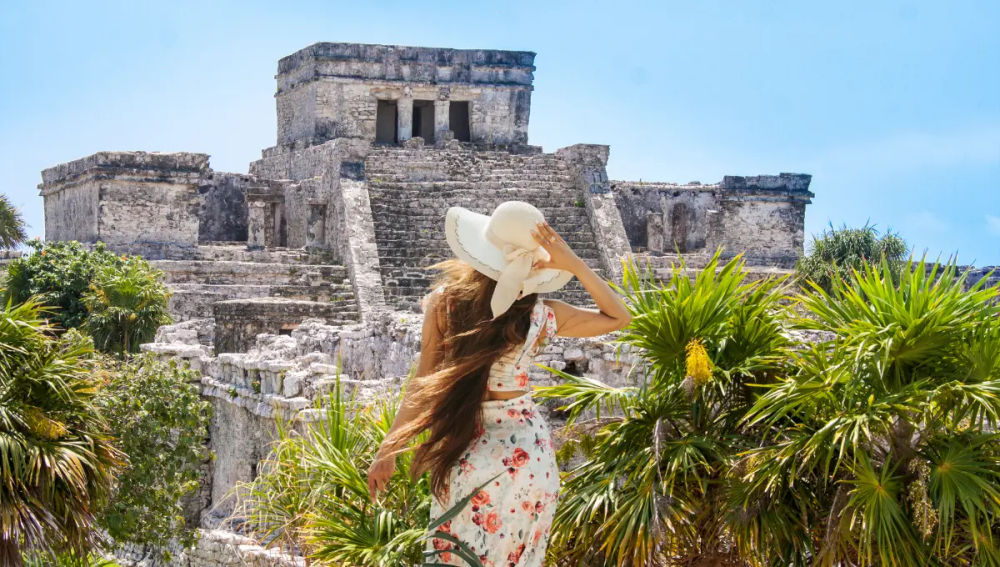
Cover photo: @XelaTulum
We’d love to hear your thoughts. Join the conversation on The Tulum Times’ social media.
How should Tulum balance its growing global brand with the needs of its local community?