

They come from all corners, backpacks slung, cameras poised, dreams dripping like sweat under the tropical sun. By the time the fifth month of 2025 closed its steamy doors, over 4.5 million souls had wandered through Mexico’s ancient gates. The Tulum ruins, perched like a stubborn secret on the cliff’s edge, drew in the third largest crowd, following only the juggernauts of Chichén Itzá and Teotihuacán. It wasn’t just a wave of interest. It was a surge, 4.6% more than the same stretch of months in 2024. What’s pulling people back to the stones?
Tulum Ruins and the Living Pulse of Heritage
Tulum doesn’t shout. It whispers through wind-cut stones and sea-laced air. With 576,000 visitors between January and May, it’s clear the ruins aren’t just old walls, they’re invitations. Part of the draw is visual: a temple overlooking the Caribbean, as if the Maya themselves knew Instagram was coming. But it runs deeper than hashtags and beach detours. People aren’t just coming to see; they’re coming to feel.
Josefina Rodríguez Zamora, head of Mexico’s Secretariat of Tourism, isn’t mincing words. In a recent briefing, she painted the numbers in bold: 61% of archaeological site visitors were Mexicans, the other 39% from lands afar. It’s not just a local love affair. It’s a global curiosity dancing with cultural memory.
Museums: Temples of the Present
While ruins spoke of past gods, museums hummed with present footsteps, 5.3 million of them. That figure isn’t a plateau; it’s a climb, marking a 25.6% jump over 2024. The Museum of Anthropology alone cradled nearly half that number, proving once more that stone and silence still compete with screens and noise.
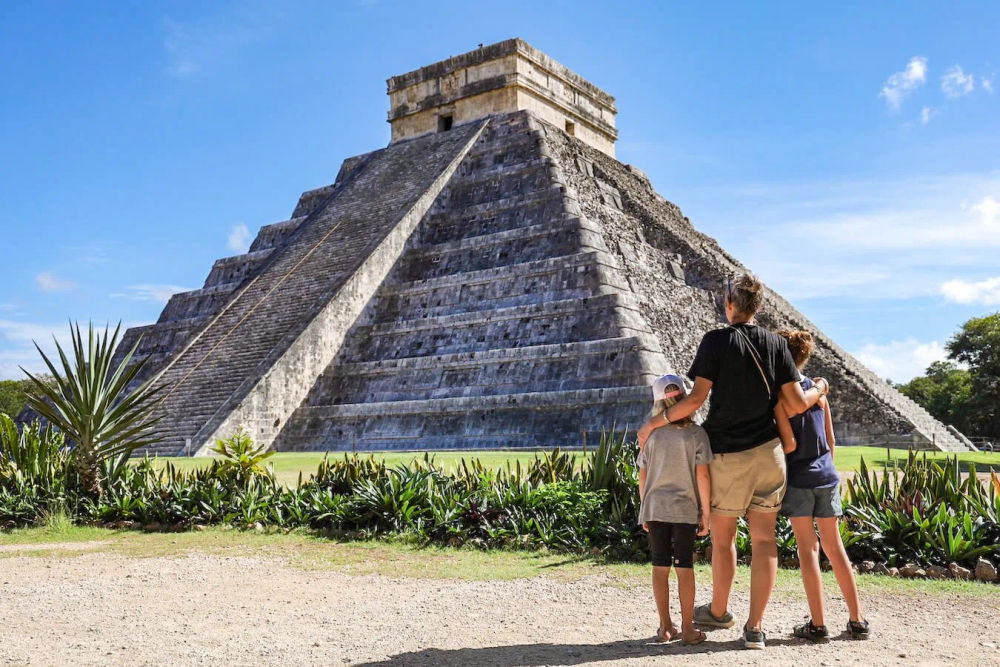
Tourists? Sure. But 89% were locals, pulling kids by the hand, grandparents reminiscing, couples whispering beneath dioramas. Foreigners made up the remaining 11%, wandering wide-eyed through curated memory. These aren’t mere rooms. They’re repositories of who we were, who we might be again.

Why the Numbers Matter
Stats aren’t sexy. But they tell a story, and this one whispers resilience. Post-pandemic, post-distraction, post-everything, people are returning. Not just to relax but to remember. The rise in visitors is more than economic balm. It’s a cultural pulse check.
Rodríguez Zamora said it best: these places are not relics. They’re living testaments. They tether us to histories carved in obsidian and painted in blood, gold, and belief. She called them “a window to the past,” and that window, it seems, is wide open.
So what does this mean for Tulum ruins and their ancient siblings? They’re not fading. They’re flourishing. As long as memory matters and footsteps echo, they’ll stand.
We’d love to hear your thoughts, join the conversation on The Tulum Times’ social media.