

The Tulum ruins entry fee may seem like a small detail in a larger Riviera Maya itinerary, but understanding it can shape your experience of one of the most breathtaking archaeological sites in the Americas. The Tulum ruins entry fee, currently ranging from MXN $455 to $515 (approximately US$22 to $25), includes access to the archaeological zone, the surrounding national park, and the newly developed Jaguar Park. For international visitors planning to witness sunrise over ancient stone walls or walk paths once trodden by Maya traders, this fee is both a gateway and a preservation cost. With early arrival, pesos in hand, and respect for this sacred space, the Tulum ruins reveal their stories not just through stone, but through silence and sea.

A city of dawn and defense
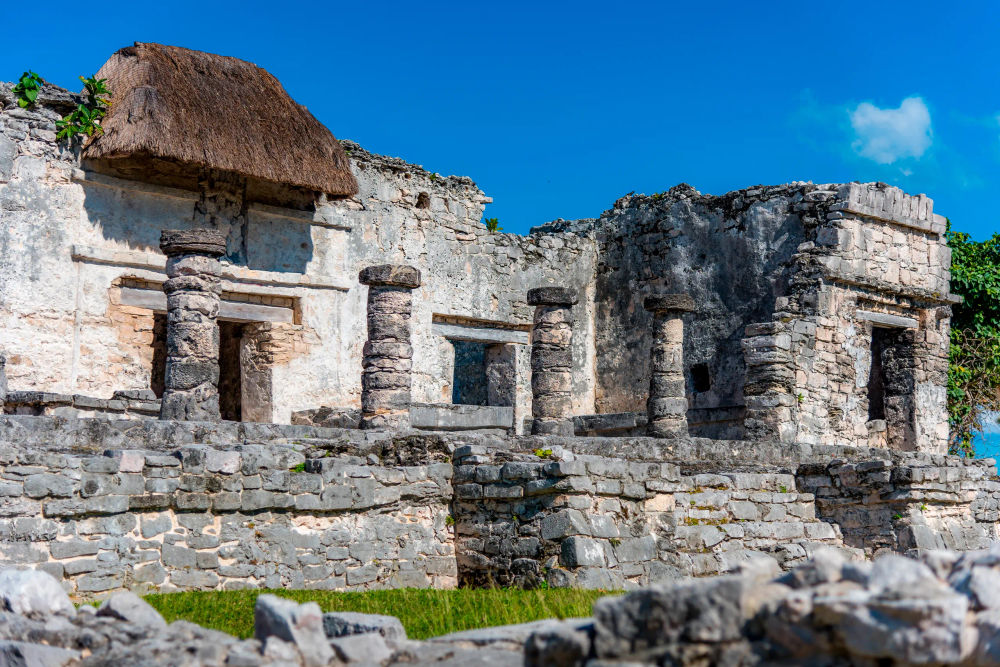
Perched on a cliff above the turquoise Caribbean Sea, the ruins of Tulum offer more than postcard views. Known as Zamá in ancient Maya, or “Place of Dawn,” this site was a vital maritime hub for trade routes stretching across Mesoamerica. Fortified walls enclosed a city where jade, obsidian, and ritual moved freely. At its heart, El Castillo temple served not only as a religious site but also as a beacon guiding incoming canoes. Today, the ruins stand as an enduring symbol of resilience, built in the 6th century and still echoing the stories of a civilization that bridged the spiritual with the practical.

Navigating the Tulum ruins
To preserve this heritage, a layered system of government fees is in place. Every visitor aged 12 and older must pay for access to the INAH archaeological zone, the CONANP national park, and Jaguar Park. These combined charges cover the entry fee for the Tulum ruins. While the total might vary slightly depending on the day or vendor, travelers should prepare around MXN $500 and expect to pay in cash. Professional cameras require a small additional permit fee. Mexican citizens can enjoy discounts and free entry on Sundays, and children under 12 are admitted free across the board.

Timing your visit right
The Tulum ruins open daily from 8:00 AM to 5:00 PM, with the last entry allowed at 3:30 PM. If you’re hoping to capture the golden light rising behind El Castillo, arriving at opening is best. Alternatively, visiting after 3:00 PM allows for a quieter, cooler experience. Midday heat, especially from April to September, can be harsh. Although the once-accessible beach below the ruins is now closed, nearby public beaches remain perfect for cooling off after exploring the site.

Getting there without the stress
Reaching the ruins is easy, with options for every traveler. By car, the drive from Tulum town is just minutes, and paid parking is available near the entrance, with a free shuttle covering the final stretch. For those relying on public transportation, buses and colectivos connect Tulum with Playa del Carmen, Cancún, and beyond. Adventurous visitors often rent bicycles for the short ride from town, thanks to a dedicated bike lane. Organized tours remain popular, offering not only convenience but also insight from professional guides.

What to bring and expect
Think light but practical. Bring plenty of water, sunscreen, a hat, and sturdy walking shoes. The paths are uneven, and some areas involve stairs or rocky surfaces. Restrooms, lockers, and small shops are available near the entrance, but there are no vendors deep within the site. Local guides can enrich the visit with historical context and stories passed down through generations. Don’t forget to carry Mexican pesos in small denominations, ATMs and card payments are not an option here.
Understanding its cultural resonance
The significance of Tulum extends beyond architecture. Its murals, carvings, and astronomical alignments, like those seen in the Temple of the Frescoes, demonstrate the Maya’s deep relationship with time, the cosmos, and nature. Visiting the ruins isn’t simply a sightseeing activity; it’s a walk through a civilization’s final stronghold, one that persisted even as Spanish ships appeared on the horizon.

Respecting the site and its rules
Preservation comes with responsibility. Visitors are asked not to touch or climb the ruins, to use designated walkways, and to respect signage and staff instructions. Drones and professional video equipment are prohibited without prior permits. Wildlife should be observed but not fed. Every peso spent on the Tulum ruins entry fee contributes to maintaining this delicate balance between access and conservation.
Enhancing your visit with extras
To deepen the experience, consider guided tours that combine the ruins with nearby cenotes, Maya villages, or the ancient city of Cobá. Some operators offer sunrise access before official opening hours, ideal for photographers and spiritual travelers alike. Outside the archaeological zone, the Jaguar Park offers nature trails that wind through forested paths, seamlessly connecting history with ecology in a continuous discovery experience.
Visiting the Tulum ruins is not just a journey through history but a personal encounter with legacy. The Tulum ruins entry fee is a small contribution to witness the echoes of a world where trade, belief, and community shaped life along the Caribbean coast. Come prepared, stay respectful, and leave with more than just photos, leave with perspective.
We’d love to hear your thoughts, join the conversation on The Tulum Times’ social media.