
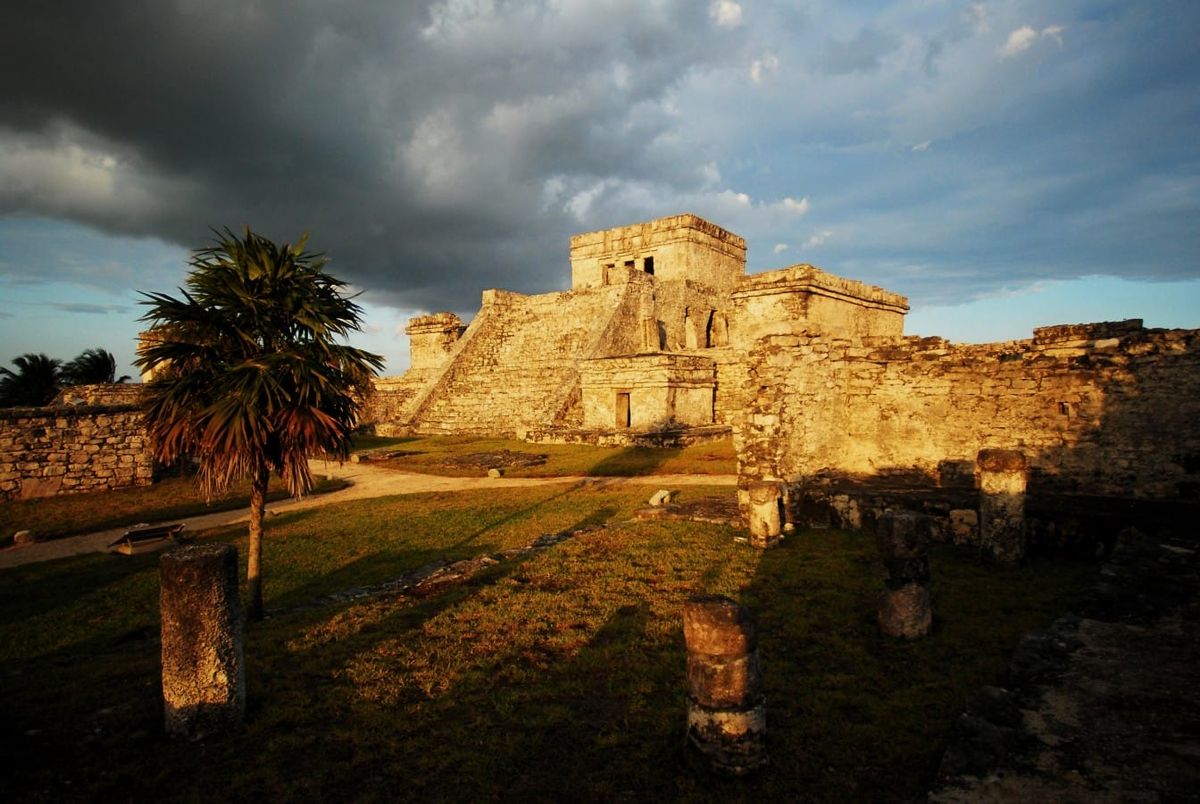
On the morning of August 13, 2025, the timeworn ruins of Tulum bore witness not to tourists, but to tension. As the Caribbean sun rose over limestone temples, workers from the National Institute of Anthropology and History (INAH) staged a protest inside the archaeological site. Their message was clear: cultural preservation is not up for negotiation.
At the center of their unrest? A new ticketing scheme managed in part by Grupo Mundo Maya, a quasi-governmental company that now oversees a key portion of visitor access to Tulum’s treasured ruins. For INAH staff, whose daily work is to protect Mexico’s historical heritage, this felt less like a logistical tweak and more like a quiet coup.
Who Really Holds the Keys to Tulum?
A Shift in Authority, and in Spirit
The source of the conflict lies in a new agreement signed between INAH, the National Commission of Natural Protected Areas (Conanp), and Grupo Mundo Maya. As of August 10, entry tickets for three distinct areas, Tulum Archaeological Zone, Tulum National Park, and the newly minted Parque del Jaguar, are now sold through a unified ticketing system.
In theory, it’s a simplification. A single ticket window. Streamlined access. Happier visitors.
But for INAH personnel, this administrative efficiency rings alarm bells. They argue the change confuses lines of jurisdiction, waters down INAH’s role, and opens the door to potential privatization. Because once a heritage site begins to function like a theme park, it’s not just the queue that moves faster, so might the loss of public control.
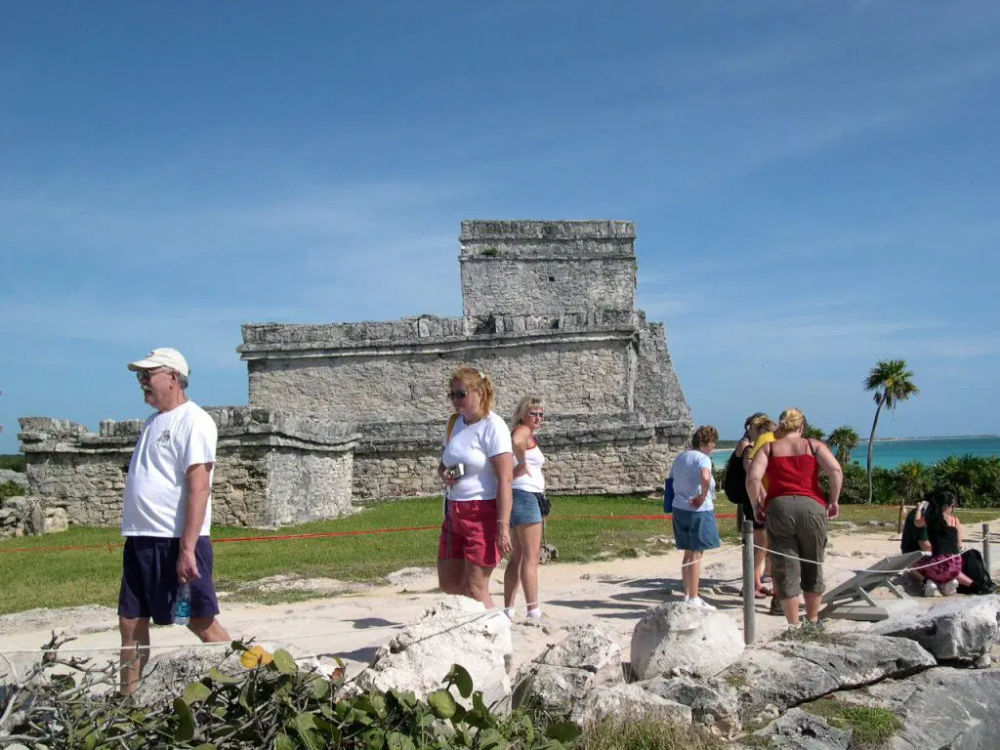
The Cost of Admission, and Who Pays the Price
Pricing, Perception, and Public Goods
Another flashpoint is ticket pricing. INAH workers have accused Grupo Mundo Maya of raising entry fees, effectively limiting access for Mexican citizens and local residents. Even if no formal price hike exists, perception matters, and right now, the perception is bleak: heritage access is being commodified.
Yet the official response from INAH and the Ministry of Culture paints a different picture. According to their statements, Grupo Mundo Maya is not acting independently. The tickets sold at the Parque del Jaguar booth are pre-purchased from INAH. No extra fees. No erosion of INAH’s legal authority.
Moreover, longstanding national exemptions remain intact. Children under 13, students, teachers, seniors with INAPAM credentials, individuals with disabilities, and accredited researchers continue to enjoy free entry. Mexican citizens and legal residents still receive free access on Sundays, regardless of who prints the ticket.
And since 2024, Indigenous communities from surrounding municipalities have also been granted no-cost entry with proper ID. Grupo Mundo Maya has even extended this policy to allow Tulum residents free access to Parque del Jaguar.
So if pricing isn’t the issue, what is?

Symbolism Over Systems: A Battle for Stewardship
Why This Feels Like More Than Just a Ticket
The deeper conflict lies not in the details, but in the symbolism. INAH workers aren’t simply upset over operational changes, they’re reacting to what feels like a shift in stewardship. When a cultural institution cedes control to an entity built on bureaucratic or commercial models, it sends a quiet but potent message: efficiency may be edging out expertise.
As one worker put it on the protest line, imagine a museum where curators no longer decide who enters. Where gatekeepers serve not preservation, but performance metrics. That, in essence, is the fear haunting Tulum’s ancient walls.
For decades, INAH has been the moral and intellectual guardian of Mexico’s archaeological treasures. Its staff are not just administrators; they are historians, conservationists, and teachers. To redefine their role, especially without full consultation, feels to many like a betrayal wrapped in bureaucracy.

A Future of Shared Management, or Managed Decline?
Where Inclusion Meets Ambiguity
The Ministry of Culture has framed this new ticketing system as a tool for inclusion, promising broader access and a more unified visitor experience. They insist that INAH remains a central authority, and that the move does not signal privatization, but modernization.
Still, tension simmers. The protest was more than a labor dispute, it was a declaration of values. A reminder that preservation is not a profit center, but a civic duty.
How this story unfolds will depend on transparency, oversight, and the continued empowerment of INAH. It’s not just about who sells the tickets, but who sets the terms for how history is shared, understood, and protected.
Because while the slogans may fade and the press cameras move on, the question remains, echoing through ancient corridors and contemporary politics alike:
Who gets to decide how history is sold?
We invite your thoughts and reflections. Join the conversation on The Tulum Times’ social platforms and let your voice be part of the story.