
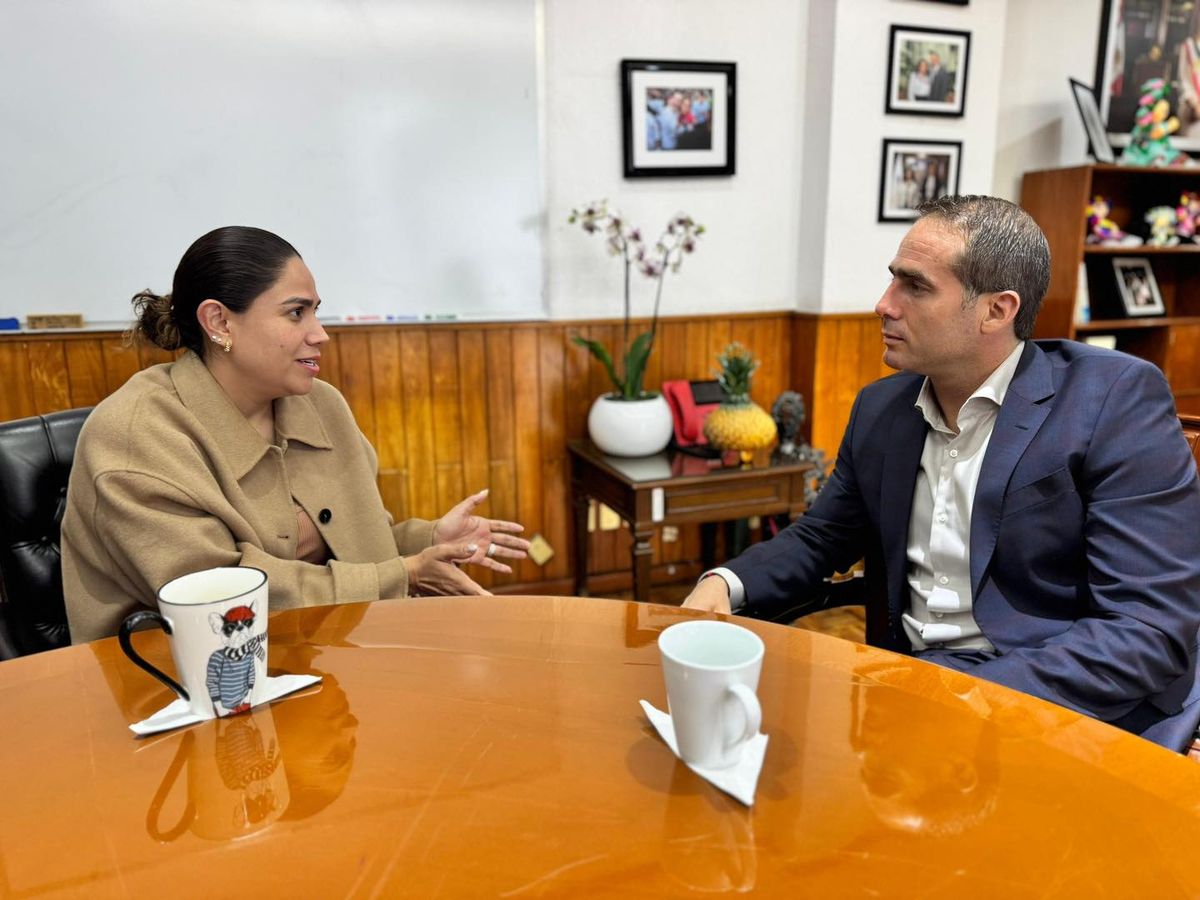
Not every meeting in Mexico City shakes the foundations of a town. But this one might. When Diego Castañón Trejo, the municipal president of Tulum, sat down with Caty Monreal, head of the National Institute of the Social Economy (INAES), they weren’t just swapping handshakes or posing for protocol photos. They were sketching out the scaffolding for a different kind of future, one where the social economy isn’t a policy talking point but a working engine for real, local change.
From Policy to Practice: Rooting Change in Rural Soil
At the core of their discussion was a clear, almost stubborn conviction: development shouldn’t trickle down from glossy brochures and top-floor offices. It should rise, stubbornly, creatively, from the people who stitch, cook, build, and grow. With that in mind, the two leaders discussed integrating Tulum’s cooperatives and community-run businesses into México Desarrolla, a national digital platform designed to connect local producers with buyers across the country, and potentially beyond it.
If that sounds abstract, picture this: a Maya artisan, once limited to the foot traffic of a tourist stall, now finding her handmade textiles clicked into shopping carts in Monterrey, Guadalajara, or even Madrid. This isn’t just commerce; it’s cultural projection. It’s opening a door.

Building Skills, Not Just Markets
But putting products online isn’t enough. You need people who know how to navigate that world. That’s why a big part of the plan centers on training, robust, free, and digital. INAES offers a library of online tools: mentorship, technical courses, and tailored guidance. And the local government is planning to make sure they don’t stay locked behind screens.
The rollout will happen at community centers and through neighborhood outreach, ensuring that women weavers in remote villages and young farmers with patchy cell signals aren’t left out of the loop. “There’s creativity, talent, and collective spirit in Tulum’s rural and Maya communities,” said Castañón during the session. “What we need to do is bring opportunity closer, and walk with them through the process.”
Who Stands to Benefit?
That’s the question that matters. And the answer isn’t abstract. This alliance targets the invisible middle of rural economies, the cooperatives, the female entrepreneurs, the youth quietly innovating without access to capital or markets. From organic honey and herbal soaps to community-rooted tourism projects, these aren’t side hustles. They’re survival, identity, and, if handled right, serious economic engines.
Being part of México Desarrolla opens more than an online storefront. It unlocks access to logistics support, funding frameworks, continuous education, and a national support network. For many, it’s the first step toward making their labor not just sustainable, but dignified.
The Broader Frame: Where Local Meets National Vision
This isn’t an isolated initiative. The meeting between Tulum’s local leadership and INAES folds into a larger movement championed by the Quintana Roo state government under Governor Mara Lezama, a model that favors inclusive growth and community-first planning. While political titles may shuffle, the vision here is collective: reduce inequality, generate opportunity, and build resilience where it’s long been neglected.
Castañón echoed this when he said, “Development isn’t something you declare. It’s something you build daily, and with others.” It’s a reminder that speeches fade, but infrastructure, educational, logistical, financial, stays.
Looking Ahead: A Door Swings Open
The INAES partnership could mark the beginning of something bigger, not just for Tulum, but for how small municipalities across Mexico imagine their role in the 21st-century economy. By blending ancestral knowledge with new platforms, by valuing community not just as a heritage but as an economic asset, Tulum might be setting the tone for a broader rural renaissance.
In the coming months, formal agreements will be signed. Training programs will go live. Field coordinators will walk side-by-side with local entrepreneurs. The goal is clarity, access, cand ontinuity. And through it all, a belief that collective work, slow, deliberate, grounded, can still be revolutionary.
We’d love to hear your thoughts, join the conversation on The Tulum Times’ social media.