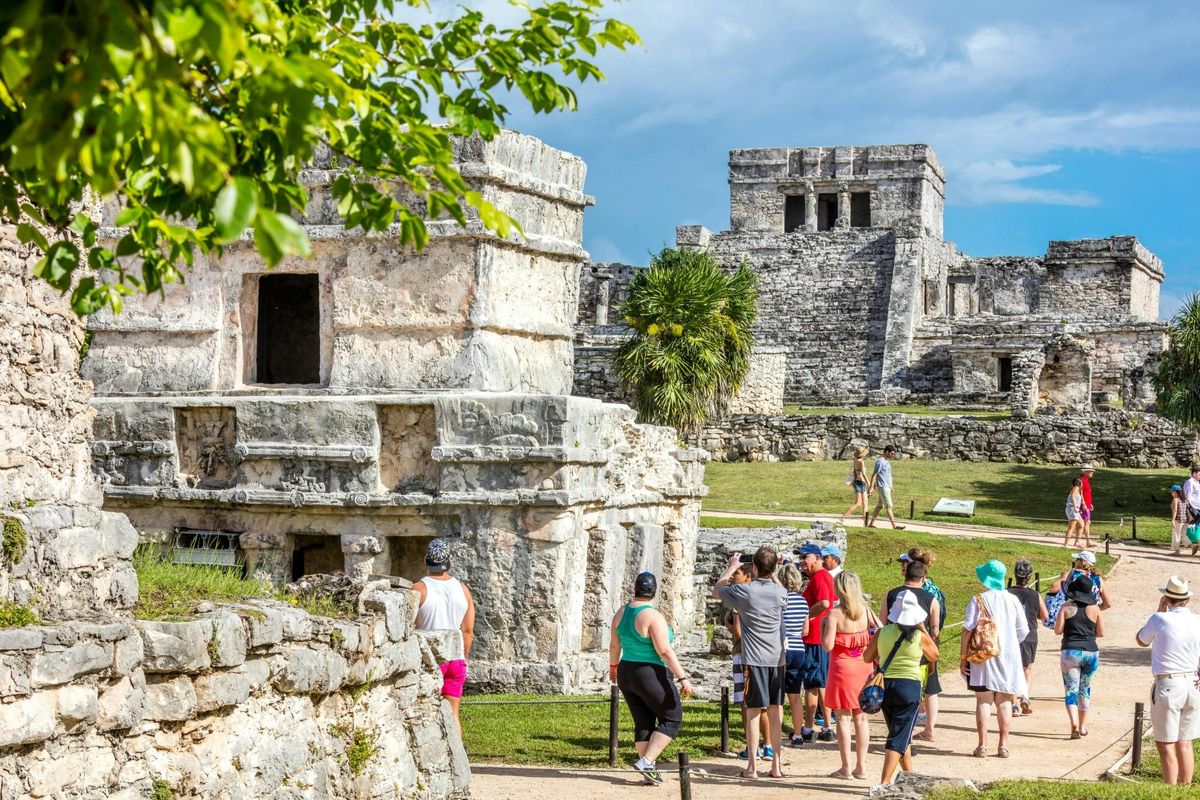
The National Institute of Anthropology and History, or INAH, said surveillance measures were reinforced at archaeological sites across Quintana Roo ahead of the spring equinox on March 21, as visitor numbers rise during one of the busiest seasonal periods for cultural tourism. In Tulum, where the archaeological zone currently receives about 2,500 people a day, authorities expect a significant increase in national and international visitors drawn by the date’s spiritual meaning, its link to Maya culture, and the symbolic importance of the site.
Tulum prepares for a seasonal surge
INAH Quintana Roo delegate Margarito Molina said the main national gathering point during the equinox will again be Chichén Itzá in neighboring Yucatán, but he added that operational measures are also being implemented in Quintana Roo to maintain order.
That matters directly in Tulum, where the archaeological zone is one of the state’s most visited heritage sites and where equinox dates typically bring heavier foot traffic than usual. The local impact is immediate for visitors, guides, staff, and preservation teams, especially during a period when high turnout can put added pressure on access control and site protection.
Juan Manuel Ochoa, who is in charge of the administration of the Tulum archaeological zone, said the site currently receives around 2,500 visitors per day. During the equinoxes, that figure rises notably.
The increase is expected this March 21 as tourists arrive not only to see the site itself, but also to take part in a broader seasonal ritual that many associate with energy renewal, spirituality, and a closer connection to Maya culture. In practical terms, that means stricter oversight and closer attention to restricted areas as authorities seek to balance public access with preservation.
For Tulum, the moment is not only about volume. It is also about how one of its most emblematic public spaces is experienced during a date that blends tourism, cultural interest, and symbolic meaning in unusually concentrated form.
Beyond the equinox ritual
Independent guide Moroni Petlacalco, who has more than 45 years of experience at the site, said the season also offers an opportunity to share knowledge about Maya astronomy, which he described as one of the civilization’s most advanced areas of knowledge.
He said the Maya stood out for their close observation of the sky and their understanding of equinoxes and solstices. That observation, he explained, led to the development of calendar systems, including the solar calendar made up of 18 months of 20 days plus five additional days, totaling 365 days in the year.
Petlacalco said this knowledge was not accidental, but the result of sustained observation of celestial bodies over time. That scientific attention, he added, helped the Maya align structures with astronomical events, an element that can still be seen in several buildings in Tulum.
The point is especially relevant in a place once known as Zama, a name that means dawn. Petlacalco said the site is regarded as the first point in Quintana Roo where the sun’s rays touch land, a distinction that reinforces both its geographic and symbolic importance.
In local terms, that offers a different way of understanding why the equinox continues to attract crowds. Many visitors arrive seeking a personal or spiritual experience. But the site also reflects a long-standing body of knowledge tied to observation, timekeeping, and the practical needs of daily life in the Maya world.
Petlacalco said those needs included knowing when to plant and when rains would likely arrive in order to secure good harvests. That, he said, is part of why the Maya became such accomplished astronomers, even to the point of predicting eclipses.
What many visitors still miss
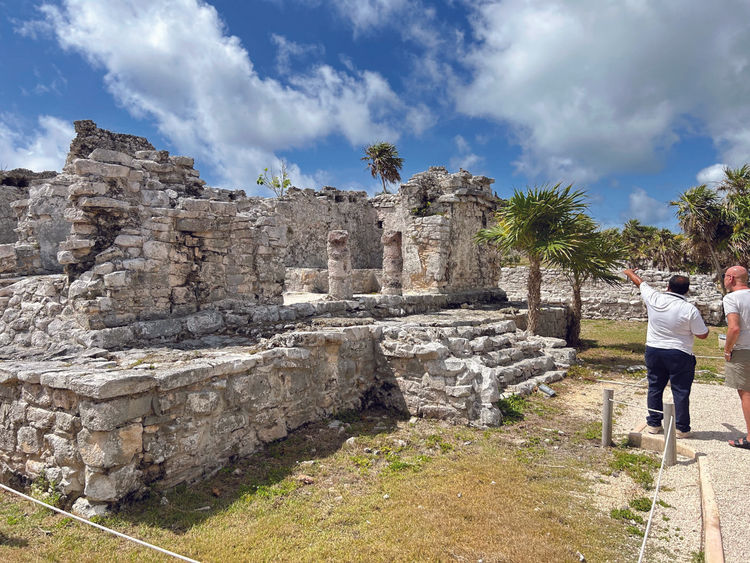
Petlacalco said many current visitors are not fully aware of the historical and scientific background of the site, a gap that becomes more visible during periods of high demand such as the spring equinox.
He recommended hiring certified guides to deepen the experience and help visitors understand the significance of what they are seeing. That includes not only the astronomy associated with Tulum, but also the city’s defensive and maritime role.
He said many people still come dressed in white and motivated by the belief that they can renew their energy during this time of year. While Tulum does see a rise in attendance, he noted that the largest celebration takes place in Chichén Itzá, where the date becomes much closer to a major public festivity.
In Tulum, the scene may be less concentrated than in Yucatán, but the increase remains substantial enough to trigger additional controls. That is where the experience of the visit changes from an ordinary day at the ruins to a more regulated one, with more people, more monitoring, and less margin for entering off-limits areas.
There is also a quieter point underneath the larger spectacle. Seasonal dates often bring public attention back to the site, but not always to the depth of knowledge it contains. In that sense, the equinox is both a tourism peak and a test of how cultural heritage is explained to the people who come to see it. The Tulum Times has repeatedly found that the strongest local stories are often the ones where tourism and preservation meet most directly.
Access rules during the busiest hours
Authorities said access to the Tulum archaeological zone is available from 8 a.m. to 5 p.m., with the last entry permitted at 3:30 p.m. Visitors are being urged not to enter restricted areas in order to protect the cultural heritage of the site and to help maintain safety during this period of increased activity.
That guidance affects everyone entering the zone during the equinox period, from independent travelers to organized groups and returning domestic tourists. It also defines what changes from now on: a tighter visitor environment, more visible controls, and a stronger emphasis on following site rules as attendance rises.
Petlacalco said touring Tulum with specialized guidance can help visitors better understand details that are often overlooked, including the city’s walled character, its strategic importance for navigation, and the structure known as El Castillo, which he described as one of the earliest lighthouses in the Americas because it helped guide vessels moving along the Caribbean coast.
Those details are central to why the spring equinox matters in Tulum beyond the calendar date itself. The site is not simply receiving more visitors. It is receiving them at a moment when public attention turns to meanings that are spiritual for some, historical for others, and deeply tied to the scientific achievements of the Maya.
For local residents, tourism operators, cultural authorities, and travelers, the immediate issue is how to move through that moment without damaging the place that gives it meaning. The spring equinox at Tulum brings larger crowds, stricter oversight, and renewed attention to one of Quintana Roo’s most symbolically charged heritage sites. We’d love to hear your thoughts. Join the conversation on The Tulum Times’ social media. How should Tulum balance equinox tourism with the protection of its archaeological heritage?