
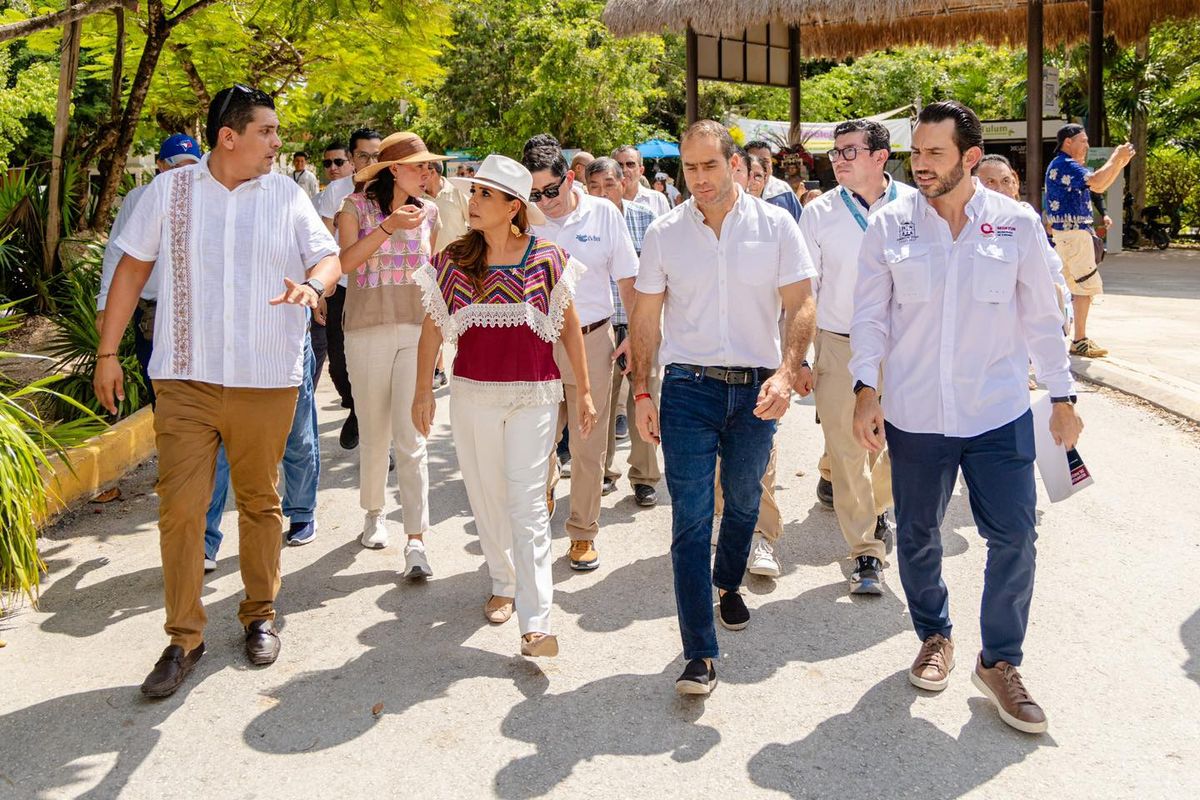
Governor Mara Lezama Espinosa and Secretary of Tourism Josefina Rodríguez Zamora walked the streets, met with hotel owners, and listened closely. Not behind a podium, but face to face, starting in the local hotels and ending in the dusty paths of the Parque del Jaguar.
Their working tour through Tulum wasn’t just symbolic. It marked a shift in how Quintana Roo might reimagine sustainable tourism, with local voices at the center.
Building a future with shared responsibility
During a pivotal meeting with hotel operators, two main agreements emerged, both rooted in co-responsibility. The first: better, fairer access to the coast.
Currently, the main access point to the Parque del Jaguar sits near a cluster of artisan stalls. It’s busy, crowded, and often chaotic. Officials from INAH, SEDENA, and CONANP are now reviewing the needed infrastructure upgrades, aiming to make this vital entrance more functional, without displacing the people whose livelihoods depend on it.
At the same time, hotel owners agreed to propose new public access points to Tulum’s coastal areas. If these plans move forward, they could create an official public registry of beach accesses, a long-standing issue for both residents and tourists frustrated by limited entry points.
Next week, these discussions continue. A follow-up meeting with the director of SECTUR’s tourism policy unit, alongside FONATUR, is expected to map out a comprehensive Master Plan for Tulum’s development. One that could finally balance booming tourism with environmental protection and community benefit.

A new image for Tulum, and a push for connectivity
The second key agreement focused on something less tangible but equally critical: how Tulum presents itself to the world.
Governor Lezama laid out plans for a revamped brand image for the destination, one that speaks to its identity and appeal without falling into the usual tourism tropes. The idea is to reposition Tulum in key markets, improve air connectivity to the Tulum International Airport, and roll out cooperative campaigns with commercial partners.
It’s not just about pretty pictures or sleek slogans. It’s about professionalizing tourism services, ensuring locals, guides, artisans, and small business owners, are ready to benefit from growth. Because when tourism surges without support, communities get swept aside.
The Governor’s message was clear: “We’re here to make Tulum the best destination in the world.” A bold ambition, but one that resonates when spoken on the ground, not from behind tinted windows.

Spotlight on Maya Ka’an and community-led tourism
At the heart of the visit was also a broader vision, one that stretches beyond Tulum’s trendy hotels and into the ancestral lands of Maya Ka’an.
The Foro de Turismo Comunitario, part of the national Legislative Pact for Tourism, gathered community representatives, academics, and private-sector leaders in Tulum. Their mission? To redefine tourism as something participatory, sustainable, and fair.
Maya Ka’an stood as a key example. With over a million visitors and 76 Maya communities actively involved, the destination is developing a unique national model: a Plan de Manejo that safeguards cultural heritage while ensuring economic opportunities.
Josefina Rodríguez emphasized that President Claudia Sheinbaum is pushing hard to boost community-based tourism, not as charity, but as a pathway to visibility, respect, and real prosperity for rural Mexico.
It was more than policy talk. Attendees heard from real community members, academics, artisans, people whose stories rarely make it into glossy travel brochures.
A walk through the Jaguar’s domain
The visit ended where it began, on foot, with people.
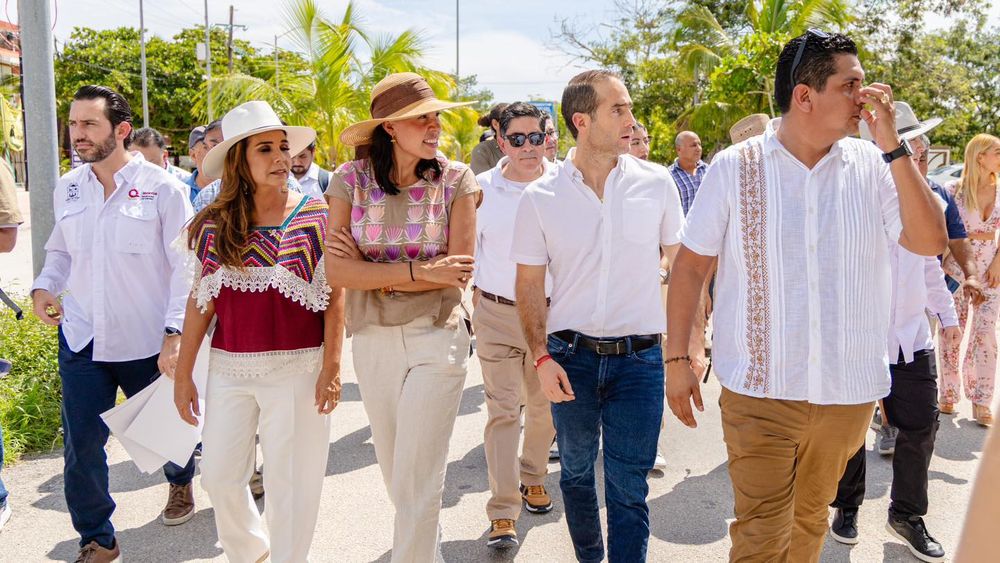
Governor Lezama, Secretary Rodríguez, and Tulum Mayor Diego Castañón entered the Parque del Jaguar through its bustling main entrance. They didn’t just observe from a distance. They spoke with artisans. Listened to tour operators. Walked past food vendors and watched guides usher groups toward the trails.
They heard stories, stories of tourists lost due to poor signage, of parking issues, of long days spent under the sun with little infrastructure to rely on. Small details that rarely show up in spreadsheets but matter every day to locals.
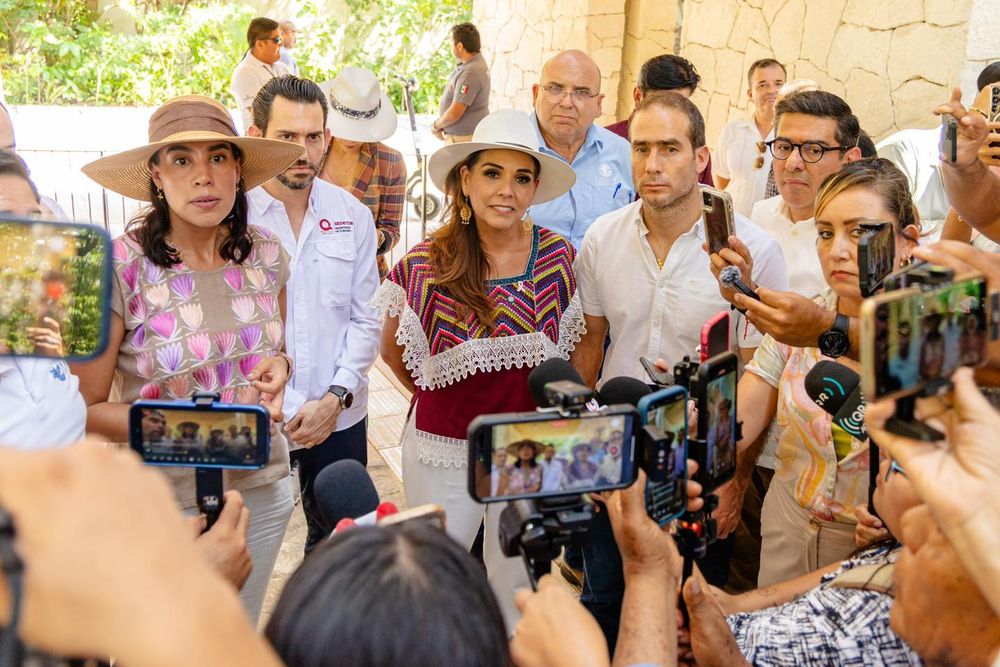
At the south entrance, they paused for a final message to the media. Not declarations, but reflections. Acknowledgment of the work ahead.
What’s at stake for Tulum?
What unfolded in Tulum this week might seem procedural, meetings, forums, and walk-throughs. But beneath the headlines, something deeper is shifting. The idea that sustainable tourism isn’t just an environmental goal, it’s a political choice. A social contract.
Tulum’s future hinges not only on its natural beauty or Instagram appeal, but on how well it can serve the people who live and work there. That means fair access to beaches, real involvement in decision-making, and economic models that don’t extract, but share.
The Tulum Times will be watching, and so should we all.
We’d love to hear your thoughts. Join the conversation on The Tulum Times’ social media.
Is this new model of tourism the future Tulum needs, or just another promise waiting to be fulfilled?