

Can a tourist paradise grow without losing its soul? That was the unspoken question at the center of a high-level working session held this week, where local, state, and federal authorities gathered to chart the course for one of Mexico’s most iconic destinations.
At the table was Josefina Rodríguez Zamora, Secretary of Tourism of the Government of Mexico, alongside Governor Mara Lezama and a coalition of officials from across all levels of government. Their mission: to review the most pressing challenges facing Tulum’s tourism development, and to ensure its future unfolds with balance, not burnout.
Strategic vision meets pressing realities
From the moment the Tulum International Airport opened its doors, the region’s transformation accelerated. But infrastructure alone can’t carry the weight of a growing tourism economy. During the session, officials discussed ground connectivity, mobility bottlenecks, and the need to better integrate surrounding communities into the tourism supply chain.
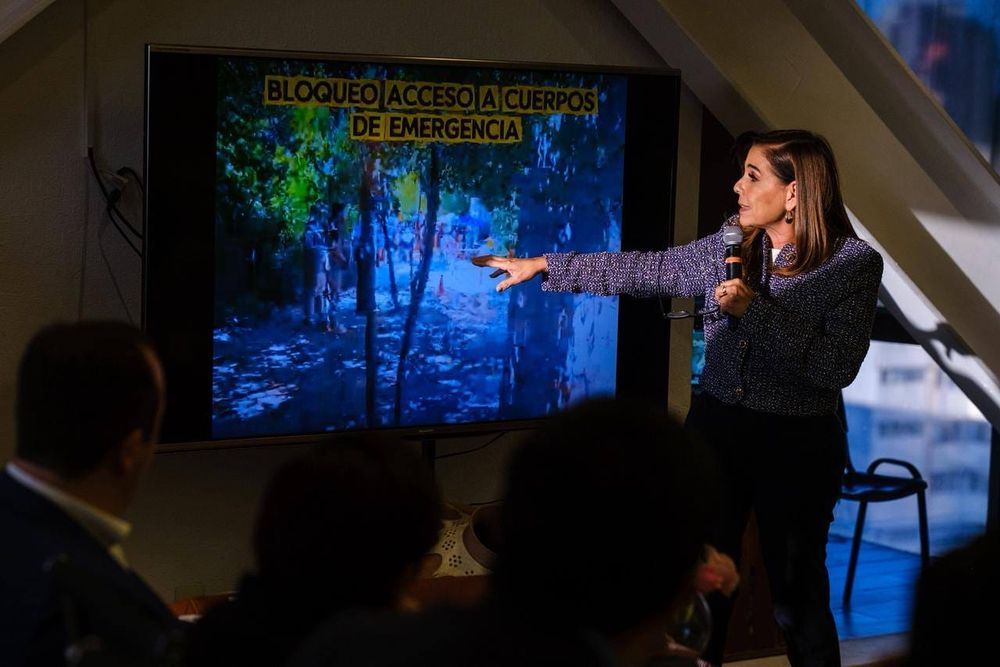
At the heart of the discussion was a core belief: Tulum must grow in a way that safeguards its natural beauty and local identity. That includes guaranteeing free beach access through the Jaguar Park, a project that’s been touted as a symbol of conservation-conscious tourism.
As Governor Lezama put it, “Tulum deserves an orderly, sustainable and socially just development model that guarantees the rights of the population, tourists and visitors.”

The Jaguar Park: a cornerstone of access and conservation
If there’s a single symbol of what Tulum’s new tourism model aspires to be, it might be the Jaguar Park. Envisioned as a space where nature, culture, and public access intersect, the park is not just a tourist attraction, it’s a statement of intent.
Authorities reiterated their commitment to ensuring that locals and tourists alike can access beaches freely through the park’s pathways. The initiative, already underway, is designed to push back against the creeping privatization of Tulum’s coastline and restore a sense of shared ownership.
For long-time residents, that matters. As one artisan from a nearby village explained, “We want people to visit, but we also want to be seen, not pushed aside.”
Gateway or bottleneck?
The Tulum International Airport, still relatively new, was another focal point. Its potential is vast, but so are the logistical headaches. As arrivals increase, questions around transportation to and from the airport, connectivity to downtown Tulum and surrounding towns, and sustainable transport solutions have become urgent.
Officials noted the need to boost public and eco-friendly transportation options to avoid the traffic congestion that has plagued nearby destinations like Cancún and Playa del Carmen.
“We’re not just building roads,” a planning official commented. “We’re trying to build bridges between communities, between visitors and the people who live here.”

Economic flow must reach the streets, not just the resorts
Another key issue raised was mobility, not just in the literal sense of buses and taxis, but economic mobility. Too often, tourism revenue pools at the top, in luxury developments and corporate ventures. This session called for targeted policies to steer visitor traffic toward local markets, artisan collectives, and family-run businesses.
If visitors never leave the beach club bubble, how can the town grow with them?
Governor Lezama emphasized the importance of “activating options that facilitate the flow of visitors to local trading areas,” framing it as a question of fairness, not just economics. The tourism boom, she insisted, must translate into shared prosperity, not just glossy Instagram shots.
Lessons from neighbors
Tulum is not alone in facing these tensions. Just north, Playa del Carmen has seen the costs of unregulated growth, rising inequality, overcrowded beaches, and environmental strain. Further up, Cancún battles traffic nightmares and water pollution despite its decades-long head start.
Tulum has a chance to learn from those stories, to steer itself before it’s too late. But it requires coordination, and that’s exactly what this working session aimed to jumpstart.
The Tulum Times has been tracking these developments closely, noting how each new policy or initiative affects not just tourism numbers but the daily rhythm of life for those who call Tulum home.

What comes next?
While this week’s meeting was productive, it’s just one step. Implementation remains the hard part. Details on mobility projects, beach access enforcement, and small business integration are still to come.
But the direction is clearer than ever: coordinated tourism planning, rooted in sustainability, equity, and environmental protection.
Tulum’s story is still being written. Whether it becomes a case study in thoughtful tourism or a cautionary tale of unchecked development remains to be seen.
For now, though, there’s hope on the horizon.