
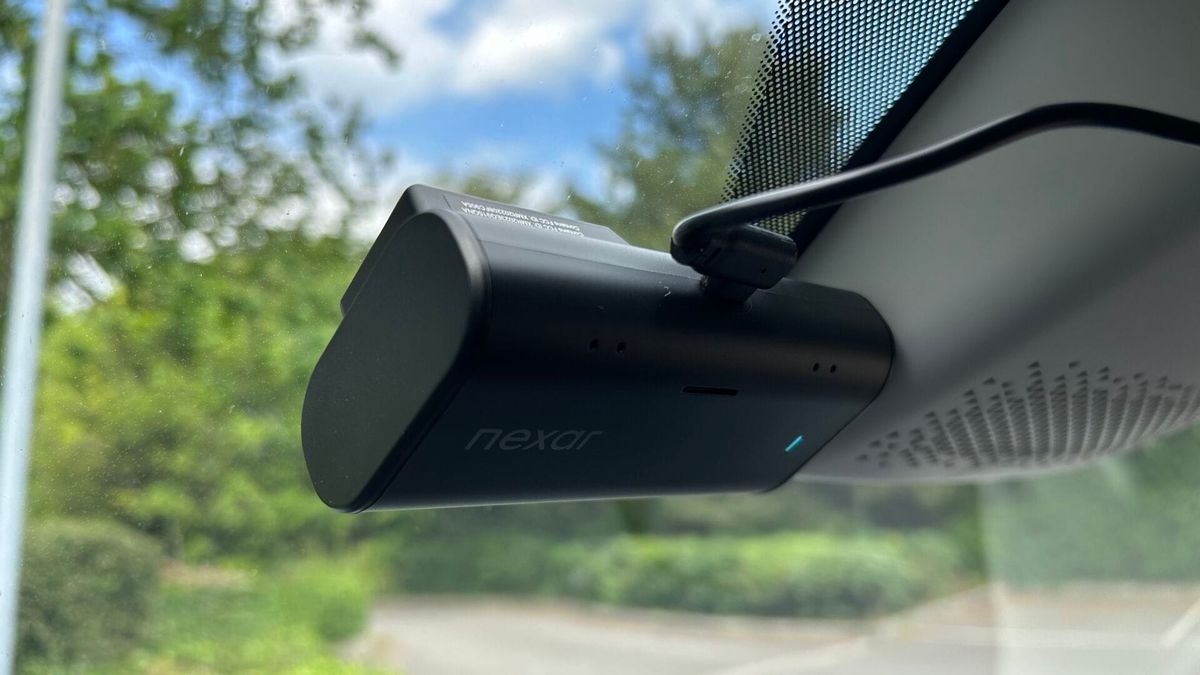
More than 100 members of the Tiburones del Caribe union in Tulum have begun training sessions to operate surveillance cameras that will record their vehicles during the entire workday. The initiative, led by the union’s general secretary, Manuel Solís Alcocer, marks a technological shift in local transport oversight. The cameras will be connected directly to Quintana Roo’s C2 and C5 monitoring centers, allowing real-time observation and faster responses to potential incidents.
The project, still in its testing phase, could reshape public transport safety across the Riviera Maya. “All units will be recorded throughout their operational hours. We have already begun the first training sessions, and pilot tests are expected in November. Full operation could begin by January 2026,” said Solís Alcocer. He emphasized that the plan aligns with Quintana Roo’s Mobility Law, which requires all public transport vehicles to include video surveillance systems.
AI mobility reaches Tulum’s taxi fleet amid push for safer streets
The training is part of a wider strategy to professionalize the taxi sector in Tulum. The Tiburones del Caribe union partnered with Flywheel and Nexar, two international companies specializing in connected mobility and artificial intelligence. Nexar, headquartered in New York, develops AI-driven dashcam systems used in the United States, Canada, and Australia. Flywheel, based in San Francisco, operates a platform that integrates taxi management, GPS tracking, and fleet optimization tools.
For the first phase, the goal was to equip 100 taxis, but 134 drivers voluntarily joined the training. The 30-hour course covers both camera operation and digital monitoring protocols. “It’s an additional cost for the driver,” Solís Alcocer admitted, noting that participants will pay a monthly rental fee for the devices. Still, the union leader said most members view the investment as necessary for safety and compliance.
The plan to link taxi cameras with the C5, the state’s advanced surveillance command center in Cancún, reflects a growing reliance on smart technologies in Mexican urban management. Quintana Roo currently has 17 transport unions, but only the groups in Tulum, Cancún, and Isla Mujeres have signed official agreements for video monitoring. The Tiburones del Caribe are the first to complete the initial training, setting a precedent for others in the state.
Cameras to record every ride as Tulum taxis link to C2 and C5 systems
During the announcement, union representatives confirmed that the surveillance system will capture footage continuously while the vehicle is in operation. The recorded data will include GPS location, driving behavior, and passenger activity. Flywheel’s and Nexar’s integrated technology will allow alerts for irregular driving patterns, potential conflicts, or safety risks.
According to early details, the system will send live feeds to the C2 in Tulum and the C5 in Cancún, both operated by the Secretaría de Seguridad Ciudadana de Quintana Roo. Authorities will be able to respond more quickly to emergencies such as accidents, assaults, or missing persons reports. “The goal is prevention,” Solís Alcocer said. “It’s about protecting both drivers and passengers through accountability.”
The training sessions also introduce drivers to new digital reporting tools. Participants learn how to identify incidents, upload footage when necessary, and maintain privacy standards required by Mexican law. While some drivers expressed concerns about being recorded all day, others welcomed the transparency it brings.
How digital surveillance could reshape trust in Tulum’s transport scene
Tulum’s taxi sector has faced public scrutiny in recent years due to safety complaints and disputes with ride-hailing services. The introduction of continuous video monitoring could help restore public trust. Local residents and tourists often rely on taxis for short distances or airport transfers, and improved security systems might increase confidence in local transport options.
The Riviera Maya’s tourism economy depends heavily on safe, reliable mobility. A single incident involving passengers or drivers can rapidly affect the region’s reputation. By introducing connected surveillance, the Tiburones del Caribe aim to show that traditional taxis can evolve in line with global mobility trends.
One taxi driver, who preferred to remain anonymous, said the change could be “a good thing if done fairly.” He added that being recorded all day “feels strange, but if it prevents problems or false accusations, it’s worth it.” That sentiment, shared among many, reflects a cautious optimism.
As Tulum continues to grow, with record numbers of visitors arriving via the new Felipe Carrillo Puerto International Airport, transportation safety is increasingly under the spotlight. Local authorities have been under pressure to modernize infrastructure and oversight systems, particularly as new technologies promise both control and transparency.
Privacy, data, and the road ahead for AI-powered taxis in Quintana Roo
Despite the optimism, several details remain uncertain. The union has not yet disclosed how the recorded footage will be stored, who will have access, or how long the data will be retained. Data protection and privacy are likely to be sensitive issues once the system becomes operational.
Regulators will need to ensure that footage is used strictly for safety and not as a means of excessive surveillance. Analysts suggest that Quintana Roo could become a national test case for how artificial intelligence integrates into public transport monitoring.
The next milestone will come in November, when the first 100 taxis begin pilot testing. If successful, full deployment will start in early 2026. Other unions across Quintana Roo, including those in Playa del Carmen and Cozumel, are expected to observe closely before adopting similar systems.
Union leaders and tech firms defend move as a shift toward transparency
For Flywheel and Nexar, the partnership offers a chance to demonstrate the scalability of AI mobility systems in Latin America. In a joint statement earlier this year, Nexar said its mission is to “make roads safer through connected vision.” Flywheel added that Mexico represents “a key market for innovation in the taxi industry.”
Manuel Solís Alcocer framed the initiative as both a technological upgrade and a cultural shift. “We’re adapting to a new era of transparency,” he said. “This isn’t just about cameras. It’s about trust between drivers, passengers, and the authorities.”
That statement captures a broader regional momentum: technology is gradually entering the informal sectors of the Mexican economy, often driven by local actors rather than national mandates.
This initiative may become a reference model for safety and accountability in public transport across Quintana Roo. The experience in Tulum will likely influence future policy discussions about data sharing, AI regulation, and digital privacy in Mexico’s mobility sector.
Ultimately, what is happening in Tulum is part of a larger transition where local transport merges with smart-city technologies. As one union member put it, “We’re not just driving taxis anymore. We’re part of a connected network.”
Tulum’s taxis, once symbols of local independence, are now entering an age of digital oversight. The balance between safety and surveillance will determine whether this model becomes a benchmark or a cautionary tale for Mexico’s urban transport future.
The Tulum Times will continue monitoring the rollout as Quintana Roo positions itself at the intersection of tourism, mobility, and technology.
The adoption of AI-powered surveillance cameras in Tulum’s taxis could redefine how transparency and public safety interact in Mexico’s transport sector. We’d love to hear your thoughts. Join the conversation on The Tulum Times’ social media.
Will passengers and drivers embrace this new level of digital oversight?