
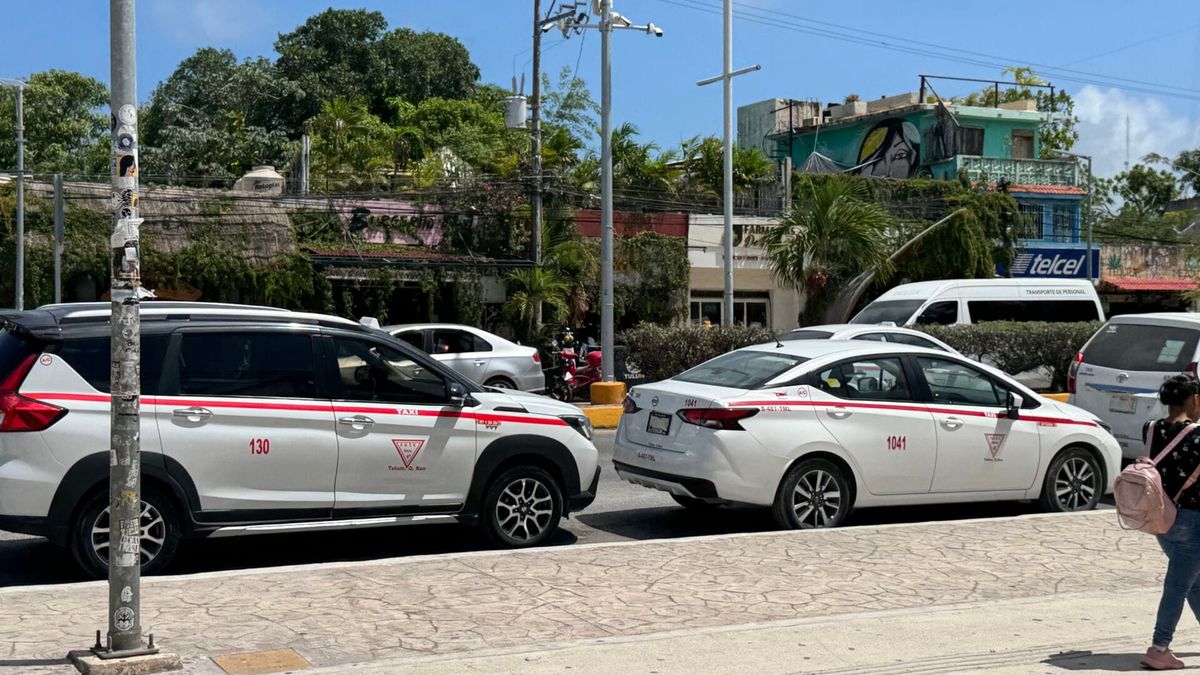
In the streets of Tulum, where the sun bleeds gold onto white sand and the scent of salt hangs in the air like an old promise, the silence of idle engines speaks louder than any tourist brochure. For the taxistas of the Tiburones del Caribe union, the scene is bleak. What should be high season feels more like a long wait in purgatory. This is not just a slump. It’s a collapse. And the phrase “Tulum taxis” carries more baggage than a tourist arriving for a yoga retreat.
Cracks in the Paradise Façade
The paradox is glaring. Tulum keeps pitching itself as paradise, a postcard-perfect escape from chaos. But scratch beneath the promotional veneer, and you’ll find workers like Adolfo Pech counting coins, not blessings. Stationed at the ADO terminal, Pech recalls Semana Santa, usually a feeding frenzy for the local economy, as a barren ghost town stretch. “No fue lo bondadosa que esperábamos. A duras penas hacemos dos o tres servicios al día,” he says, his voice tinged with something deeper than frustration. Maybe fatigue. Maybe resignation. (“It wasn’t as generous as we expected. We barely manage to do two or three rides a day.”)
He’s not alone. Ernesto Castro, another longtime ruletero, puts it bluntly: the only reason his wheels are still spinning is because locals keep hailing rides. Tourists? They’ve thinned out like mist over the jungle at noon. “Básicamente los usuarios residentes son los que sostienen nuestra economía en este momento.” (“Basically, it’s the local residents who are sustaining our economy right now.”)
But there’s a bigger shadow looming.
The Reputation That Won’t Go Away
Ask around, expats, backpackers, even the occasional influencer who dared to stray beyond their boutique resort’s lobby, and you’ll hear it: Tulum’s taxi problem. For years, the words “Tulum taxistas” have summoned tales of exploitation. Physical intimidation. Fare gouging that borders on satire: $100 USD for a five-minute ride, especially during high season or music festivals when demand surges and ethics evaporate.
It’s not just anecdotal. Surveys show nearly 85% of respondents believe taxis are the top threat to tourism in Tulum. Not cartel violence. Not seaweed. Not infrastructure. Taxis. This reputation is not just bad PR, it’s a boot pressing down on the economic windpipe of the entire industry.
To be fair, not every driver is a hustler. Many, like Pech and Castro, just want enough to fill their tank and maybe, if they’re lucky, bring home something extra for dinner. And there are countless honest taxistas who work hard, follow the rules, and serve both locals and tourists with dignity. But they, too, suffer, caught in the crossfire of bad actors and taxi mafias that have poisoned public perception. The aggressive few ruin it for the many.
And the authorities? MIA. Local and state efforts to regulate or reform the sector have amounted to little more than press releases and photo ops.
Waiting for the Summer Lifeline
Now, hope hangs on the fraying thread of the summer vacation window. The SEP calendar marks July 17 to August 23 as the official break, a stretch of days that could either revive this weary trade or drive another nail into its coffin. But even that light feels distant, flickering.
Because how do you sell a ride to a visitor who’s already been burned? How do you rebuild trust when your name, ”Tulum taxistas”, invokes dread instead of relief? It’s a branding problem, yes, but also a human one. One rooted in years of impunity, silence, and a stubborn refusal to adapt.
So the drivers wait. Engines idling. Eyes scanning the horizon for a silhouette with luggage. Not just for fares, but for redemption. For a chance to prove that they, too, are part of this town’s story, and not just its cautionary tale.
We’d love to hear your thoughts, join the conversation on The Tulum Times’ social media.