

It still lingers in the collective imagination, that vision of a beach town tucked between jungle and Caribbean sea, where the days stretch like woven hammocks and the nights pulse with soft drums and ocean breeze. For many around the world, the word “Tulum” still evokes that place. The dream hasn’t vanished; it’s just evolved.
Today, as travelers, residents, and investors from Europe, North America, and beyond set their eyes on this corner of the Yucatán Peninsula, their impressions reflect both admiration and curiosity, love and concern. Tulum is no longer just a secret. It’s a symbol of transformation, of promise, and of the growing pains that come with global attention.
First Impressions and Changing Expectations
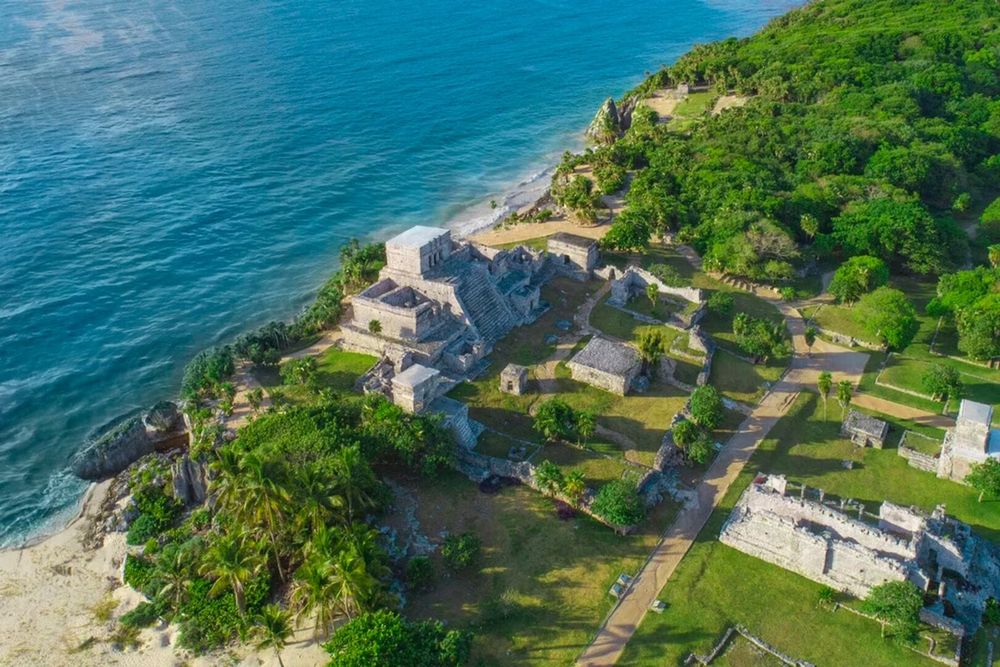
There’s no question about it. The magic still strikes. Visitors stepping onto the white sands or into the crystal-clear cenotes often feel an immediate sense of awe. The Mayan ruins, perched on cliffs above the turquoise sea, still stop people in their tracks. And for many, the aesthetic of Tulum, its earthy elegance, the fusion of design and nature, the glow of candles in jungle restaurants, feels like a dream curated just for them.
But with rising popularity comes a shift in atmosphere. Some visitors now describe a town where that original charm competes with congestion and cost. For certain travelers, especially those expecting a rustic escape or a budget-friendly adventure, the experience can feel different from what was imagined.
It’s not uncommon to hear reflections like, “It’s beautiful, but everything feels designed to be bought.” Access to public beaches often requires navigating past private beach clubs with expensive minimum spends. A visit to a cenote might cost $25. Even taking a GoPro along can come with a fee. And for those on foot, reaching a free beach can mean walking kilometers under a hot sun.
Still, the atmosphere continues to captivate. Yoga retreats, wellness workshops, and stylish cafés offer a sense of harmony that appeals to many. And authenticity hasn’t disappeared; it just takes intention to find. In the heart of the pueblo, traditional taquerías, seafood stalls, and local-run excursions still offer a window into the region’s roots. Some travelers speak of the beauty that exists not in curated spaces, but in everyday moments: a local guiding them through a cenote, a Maya artisan explaining her craft, a sunrise in complete silence.

Safety: A Nuanced Awareness
In 2025, safety remains a complex but manageable part of the Tulum experience. For most tourists staying within well-trafficked areas, resorts, beach clubs, and central neighborhoods, the town feels secure. Police and private security are a frequent presence. Many travelers report feeling at ease, especially by day.
Still, there’s broader awareness now. Like many growing destinations, Tulum has not been untouched by challenges. Reports of isolated incidents, particularly at night or around nightlife venues, have led many to exercise a little more caution. Residents and frequent visitors learn the rhythms of the town: which areas to avoid after dark, how to move safely, how to read the unspoken maps of the place.
Numbers help put it in perspective. While Quintana Roo continues to face pressures related to organized crime, recent data shows significant improvement. Crime dropped 69 percent overall between 2024 and 2025, with major reductions in violent and property-related incidents. For many expats, the day-to-day feels safe, as long as common sense prevails.
The tone is not one of fear, but of respect. Travelers today come better informed, more aware, and more engaged with their surroundings. They know Tulum is beautiful, but not untouched. They know paradise can be complex.

The Cost of Beauty
One of the most common talking points among visitors and residents alike is the cost. In 2025, Tulum ranks among the most expensive destinations in Mexico, particularly for short-term travelers. Hotel prices often match those of Western cities. A single beachside dinner can easily reach $100. Even activities once seen as simple, like entering a cenote or reserving a beach chair, now come with high price tags.
For some, this is part of the experience. Tulum has positioned itself as a boutique destination, and many embrace the luxury. But for others, particularly younger travelers or those expecting “boho on a budget,” it can be jarring.
Long-term foreign residents also navigate the shifting economics. Monthly living costs often land between $1,500 and $2,500 depending on lifestyle and location. Rent in popular developments starts at $1,000 or more, especially near the beach. Grocery costs have risen, especially for imported products or international brands. While many adjust by shopping locally or living outside the main tourist zones, others have begun to look toward nearby towns with lower costs and fewer crowds.
Still, many say it’s worth it. For the climate, for the lifestyle, for the connection to nature and community. Tulum may not be cheap, but for many, it offers something they can’t find elsewhere. And those who stay long enough often find ways to live more simply, more locally, and more meaningfully.

Investing in a Changing Landscape
Tulum’s real estate market tells a story of enthusiasm, correction, and recalibration. In the years between 2018 and 2021, the town saw a surge in international investment. Buyers from the U.S., Canada, and Europe poured into the market, drawn by promises of high rental yields, fast appreciation, and the allure of owning a slice of paradise.
But like any boom, the market reached a turning point. By 2025, oversupply has become a concern. Many developments, particularly condominiums, now compete for a limited pool of renters. Returns that once seemed automatic now depend heavily on marketing, property condition, and uniqueness.

Some buyers have faced challenges, delayed construction, unexpected maintenance, difficulty securing renters. Others, especially those focused on ultra-luxury villas or niche experiences, continue to thrive. Properties offering true sustainability, privacy, and local connection often perform better than generic rentals.
What’s shifted is the mindset. Where once there was unbridled optimism, there is now realism. New investors tend to do more homework, consult locals, and think long-term. And yet, many still see opportunity, especially with new infrastructure like the Tulum International Airport and the Maya Train expanding access.
Investment in Tulum now requires not just capital, but conscience. Buyers and entrepreneurs who approach the town with care, respecting the land, the people, and the pace, are more likely to succeed.
The Environmental Question
Perhaps the most complex conversation around Tulum in 2025 is the one about nature.
This was always part of the draw: the jungle, the cenotes, the reef, the raw beauty. But with fast growth came impact. Deforestation, overbuilding, water pollution, and unmanaged waste have taken a toll. And while many visitors still marvel at the natural wonders, others notice the strain.
Each year, the sargassum seaweed arrives in greater volumes, covering beaches and complicating the picture-perfect experience. Cenotes, once pristine, show signs of contamination. Wildlife habitats have been reduced. And questions linger about whether “eco” has become more branding than practice.
Yet here, too, there is movement. Local organizations and community-led efforts are working to shift the tide, removing thousands of tons of seaweed, pushing for certifications like Blue Flag and White Flag, and promoting true sustainability in construction and tourism.
Travelers increasingly express concern for the environment. A growing number say they’d rather pay more for a responsible experience than one that compromises the land. The message is clear: people still want Tulum, but not at the cost of what makes it special.

Reflections from the Outside In
What emerges in 2025 is a picture of Tulum seen through many eyes.
Visitors come for beauty and find it, but also complexity. Some are surprised. Others are inspired. Many come back.
Residents speak of a lifestyle that offers connection to the earth, to themselves, to a vibrant and evolving community. They acknowledge the challenges, but many wouldn’t trade it.
Investors have learned to adapt, to listen, to understand that the town is not just a commodity, but a living, breathing place.
There is no single way to see Tulum. There never was. And that may be its greatest truth.

A Place Worth Caring For
Tulum’s global image is no longer a projection; it’s a conversation. It includes awe and concern, delight and responsibility. And that conversation continues every day, in beachfront cafés, on bicycles through the pueblo, in WhatsApp groups and beach cleanups and rooftop debates.
The question is not whether Tulum is worth visiting. It is. The question is how to visit it, how to live in it, invest in it, care for it, in a way that honors what drew the world here in the first place.
If that balance can be found, Tulum’s story will not be one of decline, but of evolution. A place that learned to protect its spirit while sharing it.
We’d love to hear your thoughts. Join the conversation on The Tulum Times social media.