
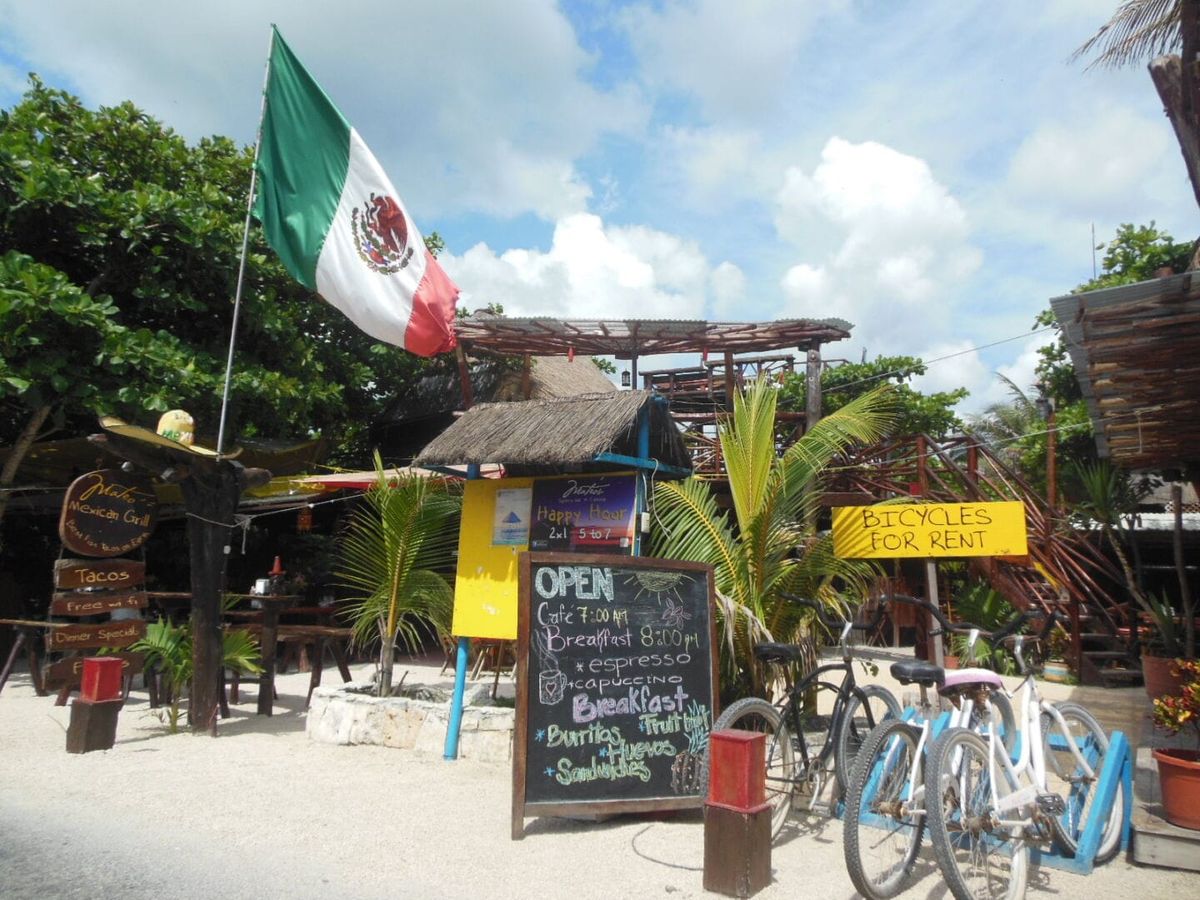
It used to be that Tulum didn’t have to try. Tourists flocked here like clockwork, seeking out the turquoise waters, the mystical ruins, and the whispers of jungle nightlife that promised something wilder than Cancún and more intimate than Playa del Carmen.
But lately? Things feel different.
Across the once-busy corridors of the Tulum archaeological zone, guides like Julio Villagómez Villalobos now wait longer, speak less, and earn a fraction of what they used to. He’s been a certified guide for years, knows the stones, the stories, the secrets. And yet, in his own words, “There never really was a high season this year.”
Something’s shifted. Or more precisely, a lot of things have.
What’s Dragging Down Tulum’s Tourism?
Tourism in Tulum, long the economic backbone of this stretch of Quintana Roo, is now showing visible cracks. A convergence of issues, some slow-burning, others sudden, has triggered what many are calling the most serious slump in recent memory.
What are they pointing to?
A rising tide of insecurity. Surging prices that shock even seasoned travelers. Confusing fees at national parks. And, perhaps most damning, what locals are calling a wave of “negative promotion.” In an age where a single TikTok can define a destination, that’s not something you want trending.
“Excessive charges, unclear information, and general price hikes are turning tourists away,” Villagómez said, his voice edged with frustration. “And these issues just aren’t being addressed.”
It’s not just perception. Visitors are rerouting, some heading to Valladolid or Mérida, others ditching the Yucatán altogether in favor of the Pacific coast. Tulum, once the crown jewel of Riviera Maya, is now at risk of becoming the cautionary tale.

Pirates on the Shoreline
If you want a portrait of the informal economy’s impact, look no further than the growing number of “pirate” guides, unlicensed operators who offer tours for a few pesos or a smile. While it might sound quaint, it’s anything but. These informal workers undercut certified guides, threaten quality control, and push seasoned professionals to the financial brink.
“There are days when some of my colleagues go home with nothing,” Villagómez admitted. “We’re working with 25 to 30 percent of the demand we used to have.”
In a town where tourism feeds entire families and fuels micro-economies, this isn’t just inconvenient. It’s existential.
And it doesn’t help that local businesses, pressed to cut costs, are now funneling tourists toward these cheaper, unofficial services, sometimes knowingly, often out of desperation.

A System Under Strain
Even with the seasonal sargassum under control this year, an achievement worth noting, the core challenges remain unaddressed. Tulum’s tourism model, once admired for its blend of eco-chic appeal and ancient mystery, now seems unprepared for the realities of a hyper-connected, value-conscious, and safety-sensitive global traveler.
There’s no shortage of fingers pointing. Local guides blame poor promotion. Agencies talk of disjointed policies. Tourists vent online about unclear pricing and hidden fees.
What’s clear is that the tourism engine is sputtering, and without coordinated, long-term reform, it could stall altogether.
The Shadow of Riviera Maya’s Big Sisters
To understand Tulum’s fragile moment, it helps to look nearby.
Cancún, for all its commercialism, remains ruthlessly efficient at moving people, promoting events, and delivering perceived value. Playa del Carmen has leaned hard into digital nomads and long-stay travelers. Mérida offers cultural depth and increasing safety.
Tulum? It’s caught between its past identity and a future it hasn’t defined.
And while it might still dazzle on Instagram, the offline experience, at least according to many locals, is no longer living up to the fantasy.

Micro-Story: A Guide Without Tourists
One Thursday morning in August, Villagómez arrived at the ruins at 7 a.m., hoping for a group. He waited until noon. Not a single tourist approached. That day, he left with nothing, except a mounting doubt that things might never return to normal.
“I used to have five or six tours a day,” he said, looking over the empty parking lot. “Now I just wait.”
His story isn’t unique. It echoes up and down the coast, from souvenir vendors to restaurant workers.
What’s Really at Stake
Beyond the numbers, this is a story about people, about families who built lives around an industry they believed was unshakable. The current downturn doesn’t just threaten incomes. It threatens an entire ecosystem of cultural and economic identity.
And here’s the hard truth: if the problems persist, if safety, pricing, and policy aren’t swiftly addressed, Tulum might not just lose visitors. It might lose relevance.
Tourism isn’t loyal. It flows where it feels welcome, where it feels safe, and where the promise matches the price.

A Closing Reflection
The Tulum Times has covered countless booms, reinventions, and even scandals. But this moment feels different, like a test of whether the town’s mythos can withstand a harsher reality.
Tulum still has magic. But magic, it seems, now has competition.
We’d love to hear your thoughts. Join the conversation on The Tulum Times’ social media.
What would make you return, or reconsider, Tulum as a destination?