

It started with a video. Just a few seconds long. In it, Tulum’s mayor, Diego Castañón Trejo, invites people to enjoy the beach, without coolers, without umbrellas, and preferably, with a drink bought from a beach club. That brief clip exploded across screens and headlines. But what followed wasn’t spontaneous outrage, it was something else. A narrative. A storm built in slow motion.
Within days, local outlets latched onto the clip. Soon, national media joined in. Stories of abandoned beaches, shuttered businesses, and a “ghost town” in Tulum flooded timelines. The implication? Crisis. But peel back the layers, and what remains is a seasonal truth masked by political theatre.
The so-called collapse came, conveniently, during the off-season, when most coastal towns in Quintana Roo slow down. From early September to mid-November, it’s always quieter. It’s not a secret. It’s a rhythm as old as tourism itself in the Mexican Caribbean.
When perception overrides reality
One local outlet, 24 Horas Quintana Roo, decided to check the numbers. Journalist Brisa Muñoz compared hotel occupancy rates across key destinations using data from the state’s Secretariat of Tourism.
Her findings? From June 28 to July 4, Tulum reported a 60.4% occupancy rate. That’s just behind Riviera Maya (63.9%) and ahead of Costa Maya (49.1%). In the following weeks, Tulum hovered between 58.5% and 65.9%. Not a freefall, not even unusual, just aligned with the regional pattern.
Earlier in the year, Tulum was solidly competitive. In January 2025, hotel occupancy stood at 79.2%. February climbed to 83.9%, and March held at 78.6%. These figures barely trail behind heavyweights like Cancún-Puerto Morelos and the wider Riviera Maya.
The number of tourists confirms the trend. From January to October 2024, over 1.4 million travelers visited Tulum, just 1.6% less than the same period the previous year. Playa del Carmen and Cozumel reported similarly slight dips. Nothing that screams “crisis.”
So, what exactly happened?

A viral narrative with political consequences
Sometimes, data whispers while perception shouts.
The real-world fallout landed squarely on Mayor Diego Castañón Trejo. Just weeks before, he was gaining momentum, his public critique of military-imposed restrictions on public beach access, now part of the federally managed Parque del Jaguar, earned him praise.
But the viral video flipped the script. His tone, seen by some as elitist, clashed with the image of a local leader defending community access. And just like that, political capital vanished.
Enter the federal and state response. Tourism Secretary Josefina Rodríguez Zamora and Governor Mara Lezama Espinosa arrived in Tulum. A “rescue” agenda was announced. Meetings were held. The cameras rolled.
But a question hung in the air like salt on a humid breeze: rescue from what?

The numbers don’t lie, but they also don’t trend
The story the flights tell is even more revealing.
The Felipe Carrillo Puerto International Airport, gateway to Tulum, recorded 417,600 passengers between January and June 2025. That’s nearly double the 212,200 of the same period in 2024. And yes, there’s a slight dip expected in the second half of the year, but that dip, again, is seasonal. It mirrors trends in Cancún, Cozumel, and Chetumal airports.
Tulum’s infrastructure, for better or worse, is growing. The airport ranks among the top eight nationally for passenger movement. Add in the Tren Maya and a steady stream of buses, and it’s clear the town isn’t isolated, it’s increasingly connected.
So why the panic?
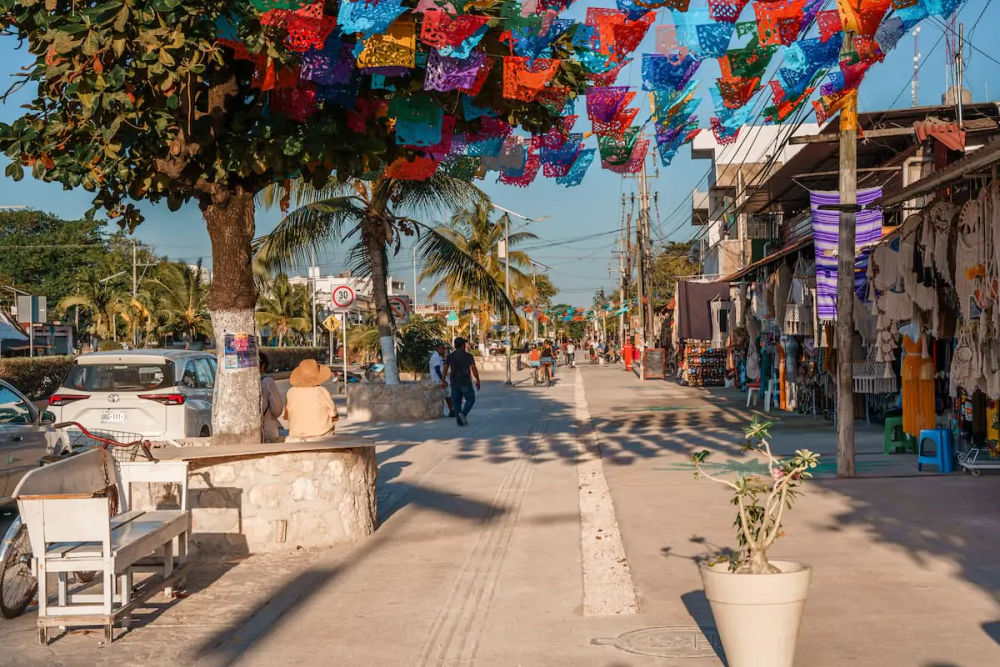
A tale of two Tulums
Here’s the thing. Tulum isn’t perfect. It faces real, grinding issues: unchecked urban sprawl, land invasions, fragile infrastructure, and the ever-present shadow of organized crime. But those problems aren’t new. Nor are they unique.
They mirror what’s happening in Cancún, Playa del Carmen, and even Mérida.
What’s new is how easily a narrative was built, out of context, out of proportion, and how quickly institutions raced to respond to it.
That response, while perhaps well-intentioned, came with unintended collateral damage: a mayor politically weakened, a public confused, and a town forced to defend itself against a crisis that may never have existed.
As The Tulum Times has documented before, perception can be weaponized, especially in a place as visually charged and politically valuable as Tulum.
Who benefits from a made-up crisis?
The manufactured panic didn’t just make headlines, it shifted power.
The mayor’s image suffered. His political trajectory dimmed. Meanwhile, the federal and state apparatus stepped in visibly and decisively, seizing the moment to frame themselves as saviors.
The real cost? Trust. Among locals, among investors, among would-be visitors reading headlines from afar.
One beach vendor, speaking quietly under a straw canopy, put it plainly: “Tourists don’t stop coming because of a video. They stop coming when the news says the town is falling apart.”
That sentence could live on a protest sign, or in a tourism board memo.
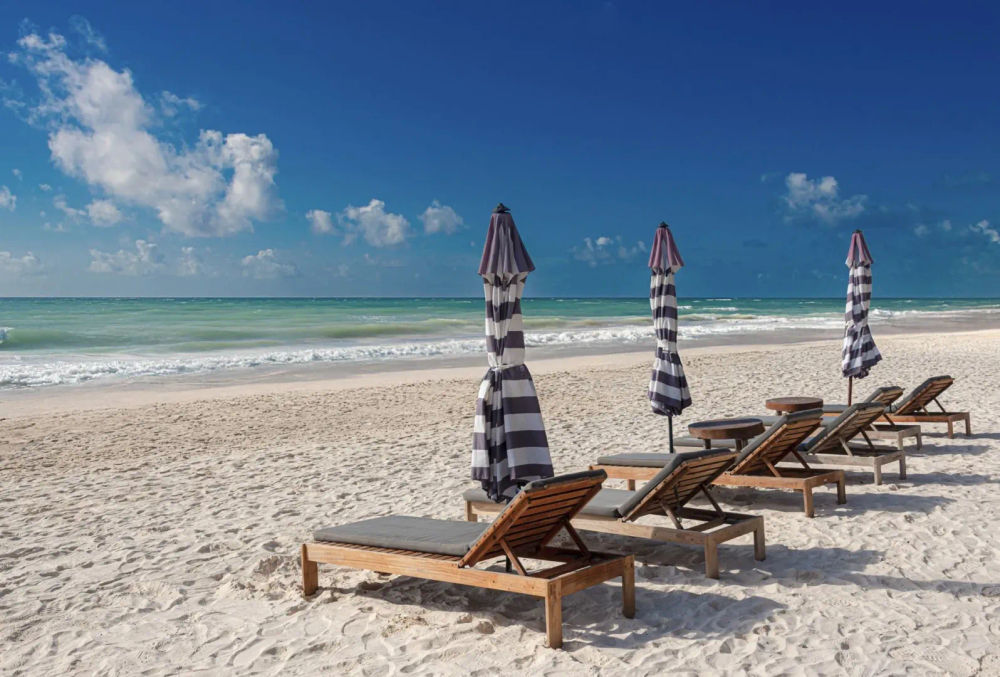
Tulum’s real challenge isn’t the season, it’s the narrative
Tulum doesn’t need saving from itself. It needs accurate storytelling. Responsible coverage. And leaders willing to steer through perception storms without panicking.
The rhythm of tourism will return, just like every year. November will bring the first wave of high-season visitors. December will overflow. Tulum, like the sea, rises and recedes. But what lingers is the damage done by distorted narratives and rushed optics.
We’d love to hear your thoughts. Join the conversation on The Tulum Times’ social media.
What role should the media and government play in shaping the truth, and when do they go too far?