
The sun rises over the jaguar-shaped shadows of Tulum, but the mood has been anything but bright. Faced with a sharp downturn in tourist arrivals, the ninth municipality of Quintana Roo is caught in a tense pause, between discontent on the ground and big promises from the top.
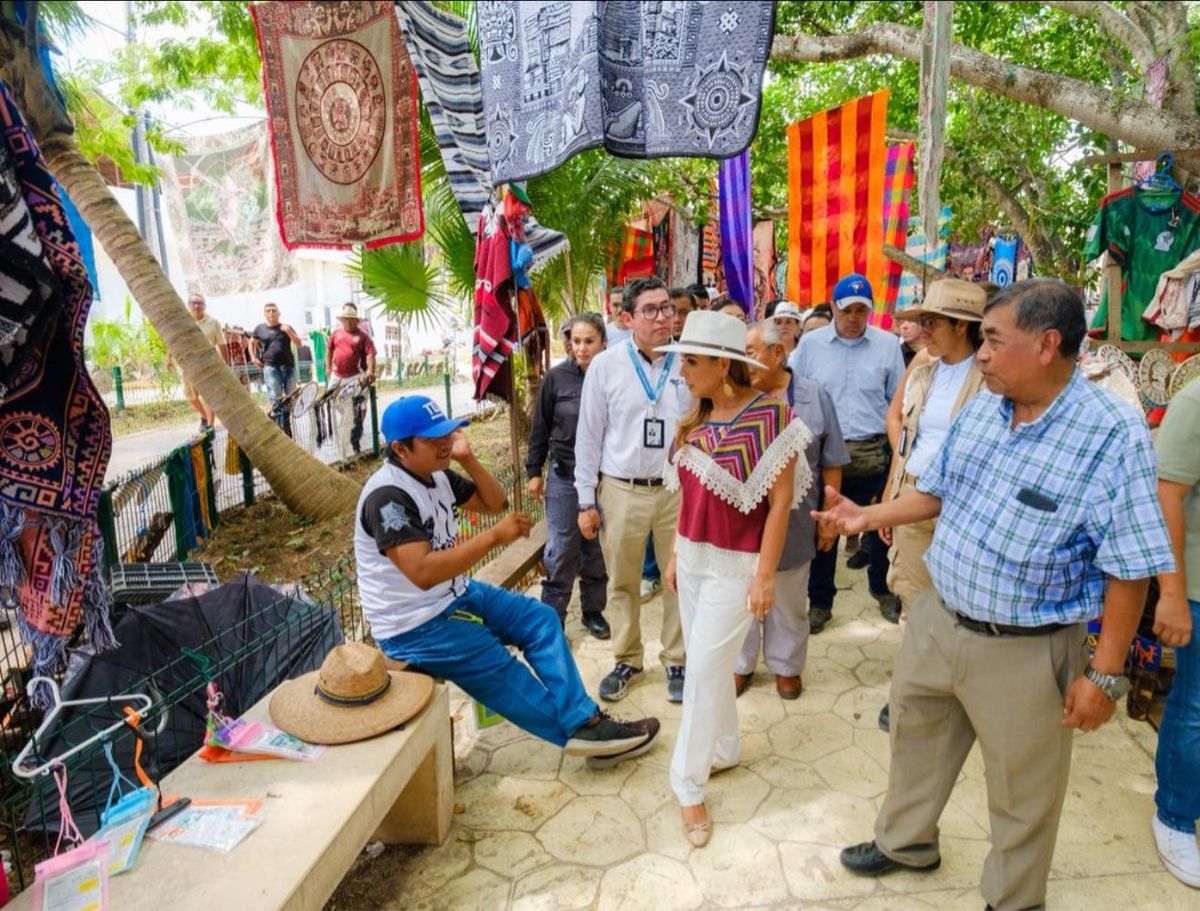
This week, federal and state authorities walked the rugged paths of Parque Jaguar, one of the area’s most contested symbols, in a high-stakes visit aimed at restoring the faith of locals and reviving Tulum’s tourism pulse. Among the visiting officials: Josefina Rodríguez, head of Mexico’s Secretariat of Tourism (SECTUR), and Quintana Roo Governor Mara Lezama. Their visit didn’t go unnoticed, not by the protesting artisans, not by the road-blocking residents, and certainly not by those who rely on tourism to put food on the table.
And in a twist of irony, as Tulum navigates a deep tourism slump, it has also been selected as a basecamp for one of the FIFA 2026 national teams. For a destination at risk of being priced out of its own paradise, the spotlight couldn’t come at a more urgent time.
The long slide into a tourism drought
Tourism in Tulum didn’t just dry up overnight. The drop in visitor numbers, officials say, has been a slow-burn crisis, one rooted in the shifting dynamics of a destination where natural beauty collides with military control, high prices, and local discontent.
Residents point to the soaring costs of access to key sites, like Parque Jaguar, now under federal military administration. Entry fees of 415 pesos for foreigners and 255 pesos for Mexicans have triggered outrage. Locals, many of whom sell crafts or food near the park, argue that such prices effectively shut them out. And for tourists? It’s an unexpected surcharge on the idea of a “free beach.”
“It’s like charging people to breathe air,” muttered one elderly vendor outside the park gates, watching yet another couple turn back at the price sign.
Exemptions do exist: kids under 12, pensioners, and the disabled are spared the fee. Residents of Quintana Roo pay less, 105 pesos, but many say that’s still too steep for regular access. Especially when jobs are scarce and tourism-dependent businesses are struggling to survive.

Weekly dialogues and potential price cuts
In response to growing unrest, authorities have begun hosting weekly mesas de trabajo, working tables, with different tourism sectors. Hoteliers, artisans, and soon restaurateurs are being invited to voice grievances and propose ideas.
This week, Josefina Rodríguez met with representatives from the hotel and artisan sectors, promising that “next week will bring immediate and concrete actions thanks to the collective will of private, municipal, state, and federal players.”
Rodríguez emphasized that a price reevaluation for Parque Jaguar is on the table. Her words were careful, diagnostic studies are still underway, and no new prices have been confirmed, but her tone suggested a shift is coming.
“We’re a government, and we’re united in seeking what’s best, first for the people of Tulum, and then for our visitors,” she said.
“The drop that spilled the cup”
For veteran artisan Aristeo Uribe, who’s been selling handmade goods in Tulum for over 50 years, the situation is clear: the excessive prices at Parque Jaguar were “la gota que derramó el vaso”, the drop that spilled the cup.
Standing beside his modest stall, he voiced what many feel. “We want dignified access to our beaches. A real northern entrance. One that’s free and open for all, not hidden behind fences and price tags.”
His story is one of many. A mother who sells coconut water to tourists now struggles to justify the daily expense of entering the park. A diving instructor has seen bookings drop by half. Even Airbnb hosts report dwindling inquiries compared to last year.
Behind each statistic is a person, trying to survive in paradise.

Eyes on 2026: FIFA puts Tulum back on the map
But just as tensions boiled over, a surprising announcement injected a dose of optimism: one of Tulum’s hotels will host a national team during the FIFA World Cup in 2026. The specific team hasn’t been revealed, and won’t be until the official draw in December, but the excitement is already bubbling.
Governor Lezama confirmed that Quintana Roo will host two national teams in total, one of them stationed in Tulum, the other likely between the Moon Palace and Mayakoba resorts. With its direct air connectivity, Cancún is poised to serve as a major hub, welcoming a surge in international fans.
For Tulum, this is more than bragging rights. It’s an opportunity. An invitation to clean up its act, rethink its access policies, and step into the global spotlight with pride.
Between action and accountability
Governor Lezama assured residents that discussions with hoteliers and artisans are already yielding results. Her words, though cautious, hinted at upcoming changes: “We’re working hand in hand. Good news is coming soon.”
The Tourism Secretary echoed that sense of urgency. “We’re preparing for high season, from November through April. We want Tulum to keep flourishing, and this is the perfect moment to do things right.”
That’s the hope, at least.
Because for all the federal optimism, real change will depend on how deeply those in power listen, and how willing they are to redistribute the benefits of tourism more equitably.
Can Tulum turn protest into progress?
Tulum is standing at a strange crossroads: global attention on the horizon, and local outrage simmering in its streets. The challenge is to bridge those two worlds, to ensure that a booming 2026 doesn’t trample the very people who make the destination magical.
And maybe, just maybe, the same spotlight that once blinded Tulum with hype can now help illuminate its most urgent needs.
We’d love to hear your thoughts. Join the conversation on The Tulum Times’ social media.
Will federal promises turn into real access and fair opportunities for Tulum’s residents, or will this be another photo op lost in the jungle?