
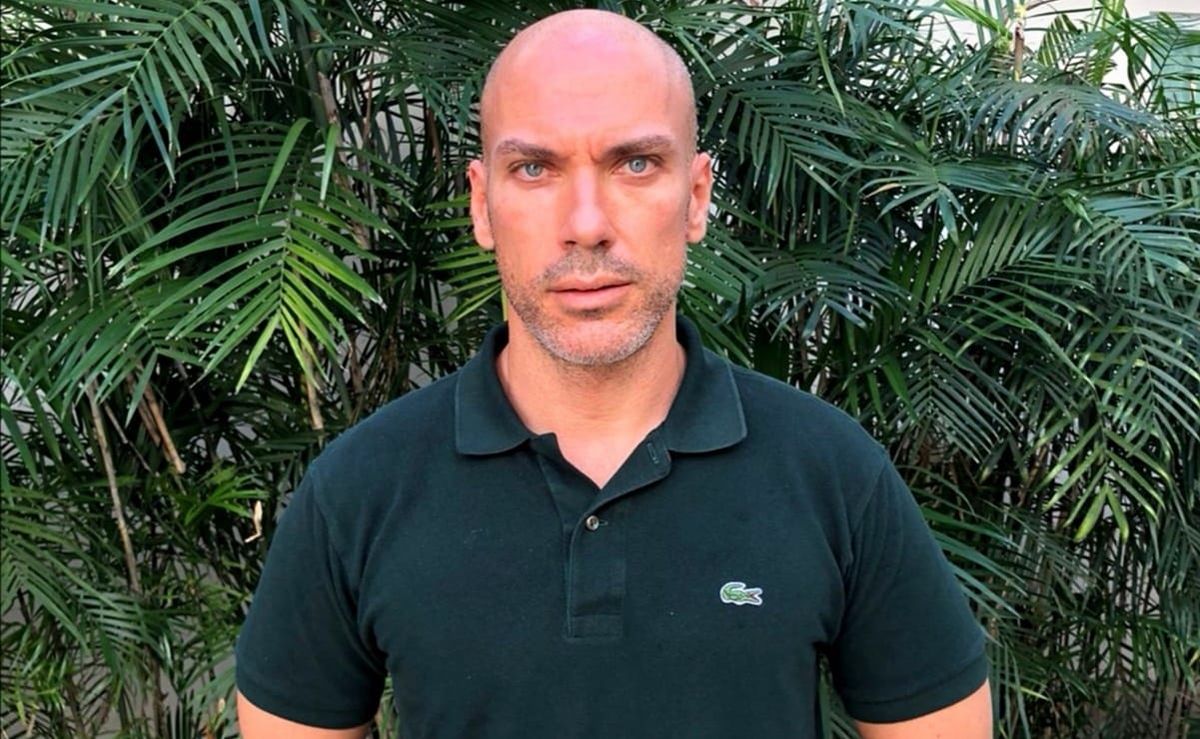
When the numbers started plummeting, most officials in Tulum stayed quiet. Not Eugenio Barbachano Losa. The fifth councilor of the municipality stood before the local government this week and said what many whisper in private but few dare to admit publicly: the very projects meant to rescue Tulum might be dragging it down.
His remarks came during the approval session for a new loan of 76 million pesos, an echo of previous administrations’ credit strategies. Yet for Barbachano, the real issue isn’t debt. “Those loans are nothing new,” he said. “What’s urgent is addressing what’s silently crippling Tulum’s economy.”
A hidden crisis in plain sight
Barbachano’s boldest accusation? The mismanagement of the Parque del Jaguar, formerly known as Parque Nacional Tulum, is directly responsible for a staggering 50 to 60 percent drop in visitors to the iconic archaeological zone.
That’s not a typo.
Half the foot traffic is gone, he warned, and not because travelers lost interest. “The way access is being handled within the park’s boundaries is turning visitors away,” Barbachano stated. The Tulum Times confirmed that the zone is now part of the protected park area, where entry logistics have become increasingly opaque and restrictive.
Compare that to the efforts of local hoteliers and restaurateurs, especially in the southern coastal zone. Barbachano praised their hands-on work in keeping Tulum afloat, highlighting their commitment to welcoming guests without the bureaucratic hurdles that seem to plague public initiatives. “With them, there’s no need to ask for someone’s voter ID because there’s no barrier gate in the first place,” he said, a biting jab at the gatekeeping both literal and institutional.
The weight of federal mega-projects
But Barbachano didn’t stop there.
He pointed to the two federal giants looming over the region: the much-hyped Tren Maya and the brand-new Tulum International Airport. Both were designed to usher in a new golden age of tourism. Instead, they might be creating more noise than results.
“More than 600 billion pesos have been poured into the Tren Maya,” Barbachano noted, “yet it’s still unclear if the return justifies the cost.” Meanwhile, the airport, located not in Tulum itself, but in Felipe Carrillo Puerto, is already under fire for its location and lack of affordable ground transport. Tourists who land there are met not with ease, but with logistical headaches.
“These are the issues nobody wants to talk about,” Barbachano said plainly. “But the numbers are right there. The Jaguar Park, the Tren Maya, the airport, they’re not working.”
What happens when Tulum’s only engine falters?
Tourism isn’t one of Tulum’s industries. It’s the industry.
Without it, the town doesn’t breathe.
Barbachano’s statements cut deeper because they come at a time when both high and low seasons are underperforming. Off-seasons feel longer. Peak seasons don’t peak. Businesses that once thrived year-round now stagger through empty weeks.
A restaurateur near the Sian Ka’an entrance, who asked not to be named, shared how their family-owned kitchen used to turn over three seatings per night. Now, on many evenings, they don’t even fill half the tables.
“This place used to be unstoppable,” she said. “Now we’re wondering if it’ll survive another year.”
A call for course correction
It wasn’t all doom. Barbachano’s speech included a plea, to the public, to the government, to fellow council members, to reassess the trajectory. To stop pushing mega-projects as the only solution. To return to what made Tulum magnetic in the first place: easy access to nature, vibrant local culture, and community-driven tourism.
He didn’t propose dismantling the big federal efforts. Instead, he suggested rethinking them. “We need to stop pretending everything is fine just because it’s federally funded,” he said. “That’s not accountability. That’s denial.”
There’s a quiet courage in naming the problems others sidestep. And Barbachano’s voice, while far from the loudest in the room, may be the one finally forcing Tulum to look itself in the mirror.
The road ahead
Barbachano’s warning may not fix the crumbling edges of Tulum’s economy overnight. But it lays bare a truth that’s been building for years: shiny infrastructure projects won’t save a destination if they alienate the very people it depends on, tourists and locals alike.
If Tulum is to reclaim the energy that once made it one of Mexico’s most coveted escapes, it may have to return to its roots. Less concrete. More connection. Less gatekeeping. More community.
Because when the season ends and the crowds thin out, what remains is the soul of the town. And that soul, as of now, feels bruised.
“We’d love to hear your thoughts. Join the conversation on The Tulum Times’ social media.”
What do you think needs to change for Tulum to thrive again?