
The whisper of the waves against the shore has always held a special promise in Tulum, a sound that calls visitors from across the globe to its famed beaches. But what happens when that promise feels a little less certain, when shadows creep into the sun-drenched landscape? Lately, conversations have turned to the crucial balance between open access and public safety, a delicate dance that Mexico’s leading tourist destination is now navigating with thoughtful determination. “Tulum Safety: Free Beach Access Secured” is more than a headline; it’s a commitment, a proactive step by local authorities to ensure that the beauty of this place remains accessible to everyone, without qualification or fear.
It’s always been about more than just pristine sands and turquoise waters here; it’s about the feeling of freedom, the ease of simply walking onto the beach, feeling the sand between your toes without a gate or a guard barring the way. This inherent right, sometimes blurred by the ever-increasing commercialization of popular spots, is now being reaffirmed as a fundamental pillar of the visitor experience. The vision is clear: beachfronts that are genuinely public, free from the confines of private interests, allowing both locals and international travelers to enjoy the natural splendor that defines this stretch of the Caribbean coast. This isn’t just about avoiding fences; it’s about fostering an atmosphere where everyone feels welcome, where the horizon belongs to all.
To achieve this, the dialogue has been intense, involving various stakeholders who all share a deep connection to this land. The federal government, through entities like the Ministry of Agrarian, Territorial, and Urban Development (SEDATU), has been instrumental in spearheading initiatives aimed at restoring accessible pathways and public zones. It’s a recognition that sustainable tourism isn’t just about environmental protection, but also about equitable access and community benefit. These efforts are not merely symbolic gestures; they involve tangible interventions, like the recovery of pedestrian accesses and the development of public spaces that serve as vibrant hubs, fostering a sense of shared ownership and enjoyment.
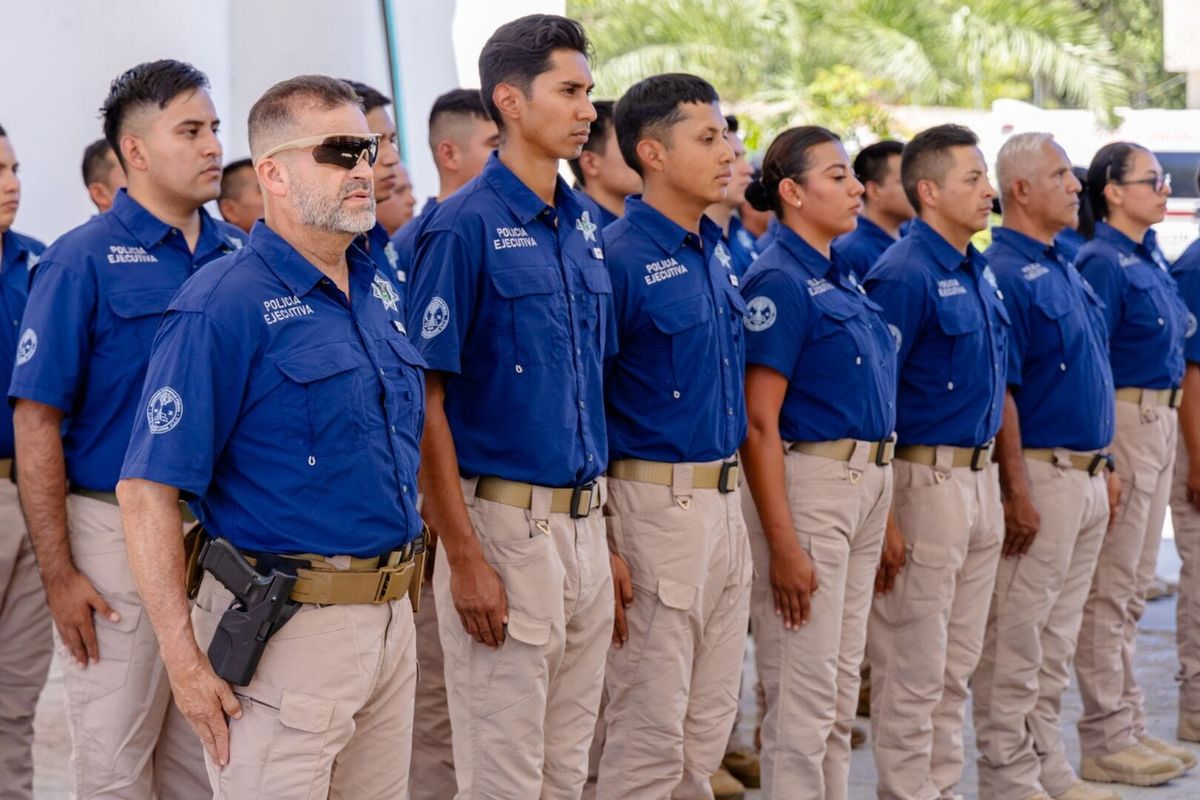
Of course, access without security can feel hollow. The recent uptick in discussions around safety has made it clear that while open beaches are vital, safe beaches are paramount. This involves a multi-pronged approach, drawing on the collective strength of different security forces. The National Guard, a relatively new but increasingly prominent presence, works in concert with local and state police, creating a more cohesive, visible deterrent. Their mission isn’t just reactive; it’s largely preventative, aiming to establish an environment where unfortunate incidents are less likely to occur in the first place. You see their patrols, their presence, and it provides a palpable sense of reassurance. This collaboration is designed to ensure that the peace visitors seek here truly exists, not just in postcard images, but in everyday reality.
The narrative of security here isn’t about transforming Tulum into a fortress. Far from it. It’s about intelligent, targeted strategies. Take, for instance, the strategic deployment of personnel in popular areas and nightlife zones. It’s a delicate balance, providing a sense of protection without creating an oppressive atmosphere. The goal is to enhance visibility and response times, ensuring that if anything does go awry, help is swift and effective. It’s about creating a net of safety that gently supports, rather than traps. This nuanced approach recognizes that visitor experience is not just about avoiding danger, but about feeling at ease, feeling secure enough to fully immerse oneself in the experience of a place.
A critical piece of this renewed focus is the flow of information. The coordination isn’t just among the different layers of government and security; it extends to the very pulse of the community. What visitors and locals experience on the ground, the feedback they provide, is invaluable. This constant feedback loop helps authorities adapt and refine their strategies, ensuring that the measures being implemented are actually effective and address real concerns, not just theoretical ones. It’s a dynamic process, one that requires continuous vigilance and a willingness to evolve.
The economic implications are also deeply intertwined with this effort. Tulum, after all, thrives on tourism. When visitors feel safe and welcome, the economic engine hums, supporting countless local businesses and families. It’s a symbiotic relationship: secure, accessible tourism directly translates into economic vitality and community well-being. This understanding underpins the commitment from all levels of government to invest in these initiatives, viewing them not as expenses, but as crucial investments in the future prosperity of the region.
Looking ahead, the commitment articulated by government officials like Governor Mara Lezama is inspiring. The vision is for Tulum to not just be a desired destination, but a benchmark for safe, responsible, and inclusive tourism. It’s a big aspiration, but one that feels increasingly within reach, driven by the collective will to preserve the magic of this place. The sun still shines brightly on Tulum’s beaches, and with these concerted efforts, the promise of security and free access shines just as strong.
What are your thoughts on these new safety measures and the commitment to public beach access in Tulum? Share your perspective with us via The Tulum Times’ social media platforms.