

It begins with a bracelet. Or two. One minute you’re strolling through the sun-drenched sands of Tulum National Park, and the next you’re being told you can’t sit down, can’t use the bathroom, can’t order a ceviche, unless you’ve paid the right price, to the right people.
This isn’t a new beach tax. It’s a boiling point.
For weeks now, tensions have been climbing in one of Mexico’s most iconic coastal gems. Tourists, locals, and small business owners are caught in a surreal power play between two federal forces, CONANP (Mexico’s National Commission of Natural Protected Areas) and GAFSACOMM, a military-affiliated group operating under SEDENA. Their objective, as many on the ground see it, feels clear: push out the private sector and tighten control of Tulum’s protected zones.
Who’s Really in Charge of Tulum’s Sand?
Earlier this week, a tense meeting brought residents, entrepreneurs, and service providers face-to-face with government officials. Verbal agreements were exchanged. Promises made. Then, just days later, those promises were dust in the Caribbean breeze.
Reports of harassment began pouring in.
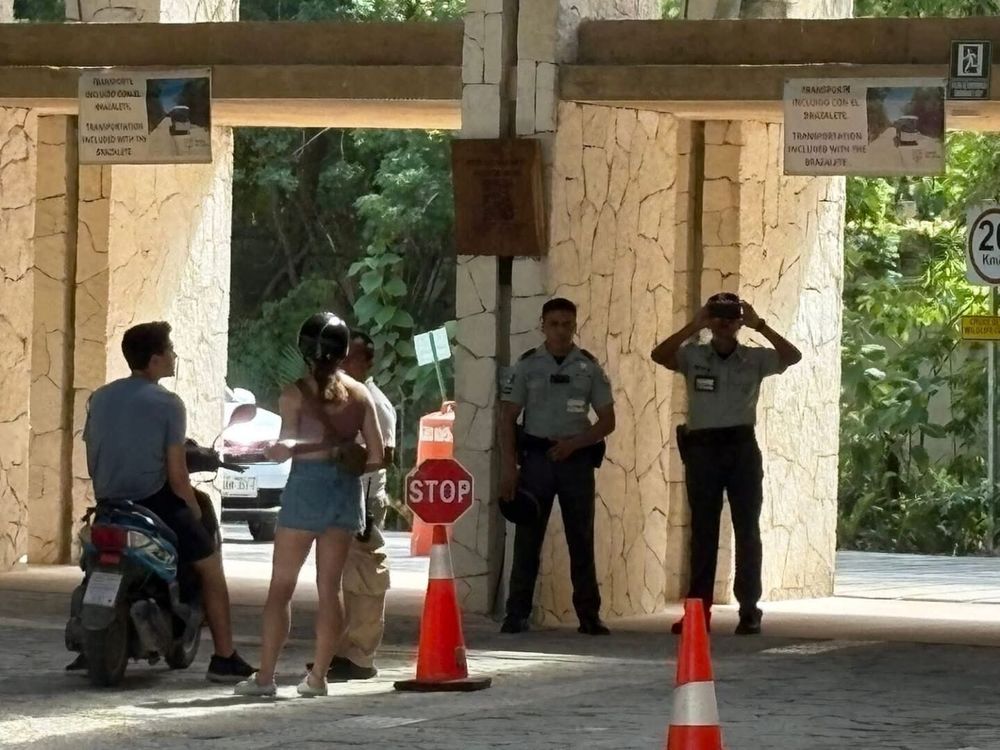
Visitors walking into public beach zones, on foot, mind you, found themselves turned away from beach clubs, denied access to restaurants, or unable to even use public restrooms. The reason? They lacked not one, but two wristbands: one from CONANP, another from the so-called Jaguar Park, operated under GAFSACOMM.
“They’re acting like they own everything,” said one tour operator who’s worked in the area for over a decade. “As if the businesses we’ve built with blood, sweat, and pesos are just temporary stalls in their military plaza.”
A Two-Tier Tulum: Paywalls, Permits, and Power
A message circulating in local WhatsApp groups, attributed to José Juan Domínguez Calderón, director of the Caribbean Biosphere Reserve, outlines the new regime. Want to rent a bike? Book a hotel room? Visit the archaeological zone? You’ll need both wristbands. The language is bureaucratic. The impact is not.
These aren’t minor fees or symbolic permits. They function as gatekeepers, effectively barring access to privately owned establishments operating within the park boundaries. And for many, this feels like more than overreach. It feels like erasure.

The Price of “Protection”: What’s Really Being Preserved?
The justification? Recouping the government’s investment in the park.
But no one asked them to spend that money, say local business owners. Certainly not the small restauranteurs now watching foot traffic dwindle as uniformed officials corral tourists away from their doors.
At the center of the storm is GAFSACOMM, operating under Mexico’s Defense Secretariat. Despite their military pedigree, they appear increasingly involved in civilian tourism management, a development that has raised more than a few eyebrows.
And pockets are being lined, claim locals. Not by the community, but by a shrinking circle of insiders. One name repeatedly surfaces in whispers and chat threads: retired colonel Fortino Aquino. Accusations of corruption, theft, and financial misconduct cling to the operation like seaweed to a propeller.

Tulum vs. the Federation: Who Will Blink First?
Despite the increasing tension, the Mexican government shows no signs of easing its grip. The pressure appears strategic, even tactical. And many in Tulum believe there’s a quiet plan in motion, to push out the independent businesses, pave the way for a federally controlled tourism model, and fast-track returns on recent investments.
Meanwhile, emergency services remain the responsibility of the municipal government. It’s the local ZOFEMAT that cleans the beaches. Local firefighters and civil protection units respond when things go wrong. Yet millions are being funneled into the pockets of federal operators who appear more focused on wristbands than water safety.
A Human Toll Beneath the Palm Trees
One beach club owner, who asked to remain anonymous, shared a story that hits harder than any press release. A young couple, newly arrived from Madrid, was stopped on their way to a beachfront café. The reason? No bracelets. They left, confused and disappointed. “They won’t be coming back,” she said. “And neither will their friends.”
It’s not just bad policy. It’s bad business.
The Tulum Times Observes: What’s the Endgame?
There’s a quiet irony in the idea of a “protected” area that protects no one. Not the travelers who come seeking paradise. Not the workers who depend on tourism. Not the ecosystem, which now hosts daily conflict rather than peace.
This isn’t just a bureaucratic misstep. It’s a credibility crisis.
As Cancun and Playa del Carmen continue attracting millions, Tulum finds itself slipping into a maze of permits and politics. What was once a bohemian escape is starting to feel like a gated compound.
The Fight Isn’t Over
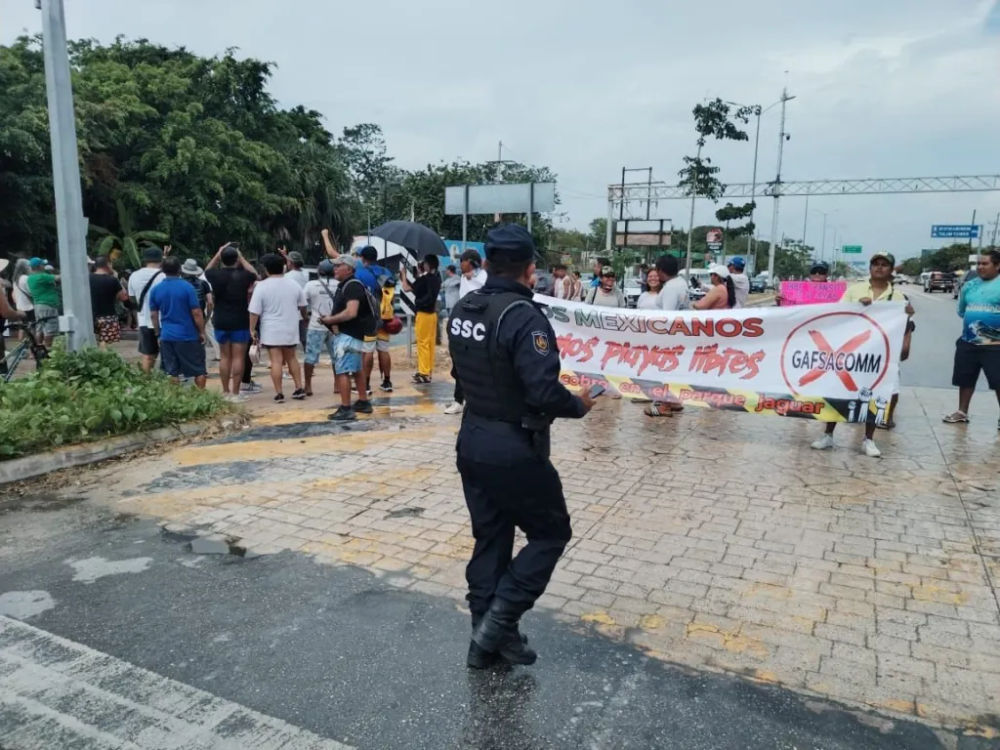
Whispers of protest are growing louder. Some business owners say they’re ready to take to the streets, again. This time, not just to demand access for themselves, but for the tourists too.
The call is simple: Let the people in.
And behind it all, one unavoidable truth remains: if Tulum becomes too difficult, too complicated, too closed off, travelers will go elsewhere.
The local economy, already fragile post-pandemic, can’t afford that.
What’s at Stake for Tulum
As the Riviera Maya grows more competitive, every roadblock, every wristband, every ounce of distrust has a cost. And right now, Tulum is paying dearly.
Will the federal government listen before more damage is done? Or is this the beginning of a long, slow squeeze that transforms a free-spirited destination into a regulated theme park?
We’d love to hear your thoughts. Join the conversation on The Tulum Times’ social media.
What would you do if paradise came with a price tag, and a soldier to enforce it?