
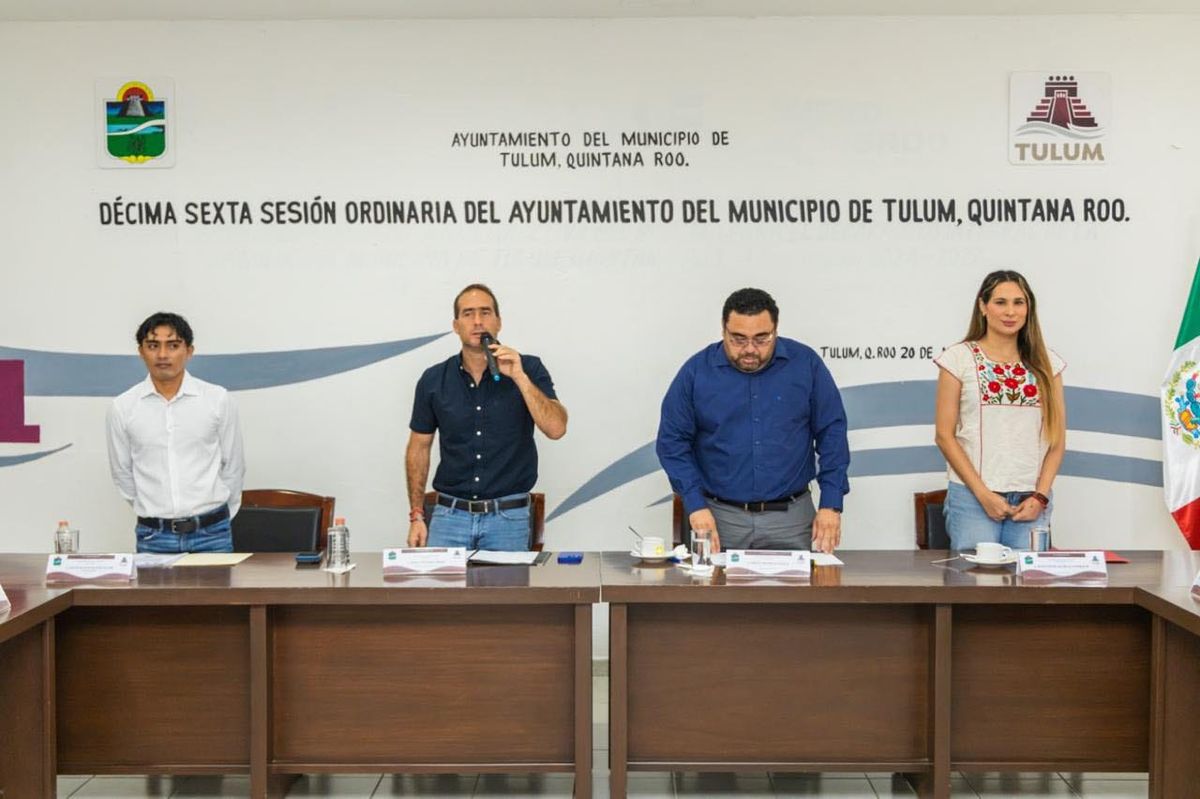
In a landmark move to balance rapid growth with environmental stewardship, the Tulum City Council recently approved a series of agreements aimed at fostering sustainable development while addressing the region’s infrastructure challenges. These measures, passed during a session on May 20, 2024, include initiatives to expand public transportation, regulate construction near protected ecosystems, and enhance community engagement programs. With tourism numbers projected to surpass 3 million visitors annually by 2025, the council’s decisions underscore a commitment to preserving Tulum’s natural beauty while supporting its growing population.
Sustainable Development Takes Center Stage
Central to the agreements is a revised zoning plan that limits high-density construction within 500 meters of the Sian Ka’an Biosphere Reserve and other ecologically sensitive areas. Developers must now allocate 15% of project spaces to green areas or renewable energy infrastructure, a policy designed to reduce urban sprawl. Local environmental groups have praised the move, noting it aligns with global conservation benchmarks. During a recent walk through Tulum’s downtown, the integration of solar panels into new boutique hotels and the proliferation of bike lanes offered visible proof of these evolving priorities.
Infrastructure Upgrades for a Growing Community
To alleviate traffic congestion, the council greenlit a $12 million investment in road expansions and pedestrian-friendly pathways along the Tulum-Coba corridor. The plan includes installing energy-efficient street lighting powered by solar energy, a project expected to reduce municipal electricity costs by 20% within three years. Residents have long voiced concerns about overcrowded roads during peak tourist seasons, and these upgrades signal a proactive approach to improving quality of life.
Strengthening Local Engagement and Cultural Preservation
A lesser-known but impactful component of the agreements involves funding for community-led cultural programs. The council allocated $500,000 to support Maya language workshops, traditional craft markets, and archaeological preservation efforts. During a recent visit to the Tulum Pueblo Cultural Center, the enthusiasm among local artisans was palpable as they prepared new exhibits highlighting the region’s heritage. Such initiatives not only empower residents but also offer visitors deeper connections to the area’s history.
Balancing Tourism and Environmental Priorities
While the agreements emphasize sustainability, critics argue that stricter enforcement of waste management policies is needed to combat pollution in cenotes and coastal areas. The council responded by announcing a pilot program to install water filtration systems in three high-traffic zones, with results expected by late 2025. Early data from similar projects in nearby communities show a 30% reduction in plastic waste, suggesting a path forward for scalable solutions.
As Tulum navigates its dual identity as a global travel destination and a guardian of natural wonders, these council agreements reflect a nuanced approach to progress. By prioritizing both ecological integrity and community needs, the region sets a precedent for sustainable growth in rapidly developing areas.
Share your thoughts on these initiatives and their impact on Tulum’s future by connecting with us on social media. We’d love to hear your perspective!