
It starts the moment you land. The heat presses in, the ocean calls, and yet, before you can even dip your toes in the Caribbean, you’re already bracing for impact. Not from jet lag. From taxi prices.
In a place where turquoise water and jungle retreats suggest barefoot luxury, transportation costs tell another story. Even after the launch of Tulum International Airport (TQO), even with growing tourism infrastructure across Quintana Roo, one thing hasn’t budged in late 2025: getting around Tulum remains outrageously expensive.
And if you’re wondering why Uber hasn’t saved the day? It’s not coming anytime soon.
Let’s break down what’s really happening with transport in Tulum, and how you can beat the system without losing your cool (or your pesos).
The airport is open, but not affordable
When the new Tulum International Airport opened, many hoped it would make arrivals easier, and cheaper. Technically, it did the former. Flights now bring visitors straight into the Riviera Maya, bypassing the longer Cancun-Tulum trek. But transfer costs? Those stayed sky-high.
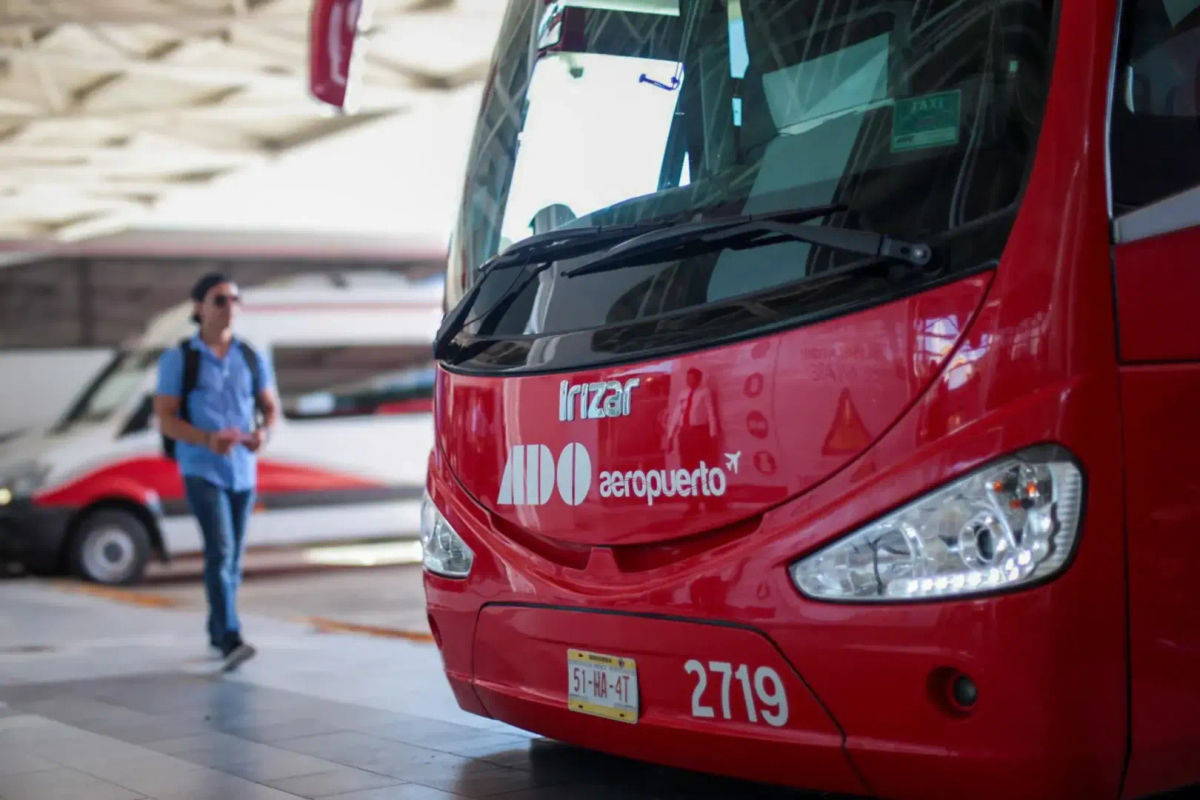
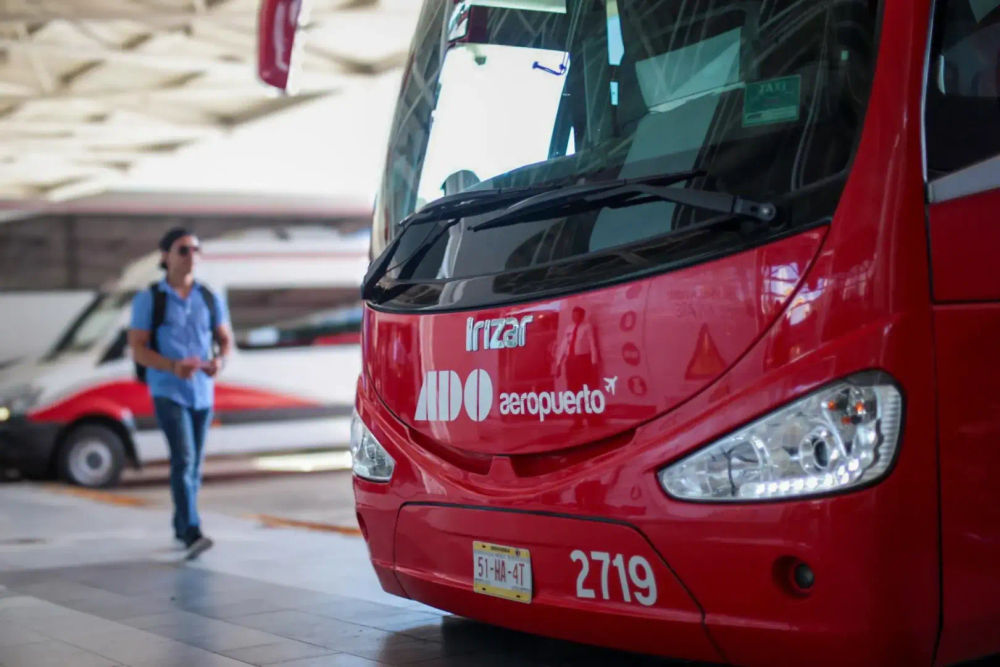
A pre-booked private ride from the airport to the Hotel Zone will set you back $70 to $100 USD. Choose a taxi at the terminal? Closer to $90 to $120 USD. There’s a cheaper route via ADO bus to downtown Tulum (around $15 USD), but then you’ll still need to grab a taxi to the beach, which often costs another $30 to $50 USD.
And no, Uber isn’t operating here. Not yet. Possibly not ever, given the long-standing tensions between ride-hailing apps and local taxi unions in Mexico.
As a visitor, the moment you hit the ground, the message is clear: convenience comes at a premium.
A taxi system stuck in its own orbit
Unlike Cancun or Playa del Carmen, where pricing can be more competitive, Tulum taxis operate under a strict zone system. There are no meters. No negotiations. Just fixed rates that seem immune to logic, or seasonality.
A single ride from Tulum Town to the Beach Zone? Anywhere from 500 to 1000 pesos (about $25 to $50 USD). A short hop between beach bars? That could still be 400 pesos ($20 USD) or more.
It’s a tightly controlled ecosystem. And while locals have found ways around it, tourists often have little choice but to pay.
“It’s not just expensive,” said one frequent traveler we spoke to at a café in Aldea Zama. “It’s designed to make you feel like there’s no other way. Like you’re stuck.”
But are you?

Breaking free: smarter ways to get around Tulum
Despite the high costs of traditional taxis, Tulum isn’t without options. In fact, there’s an entire underground map of transport freedom, if you know where to look.
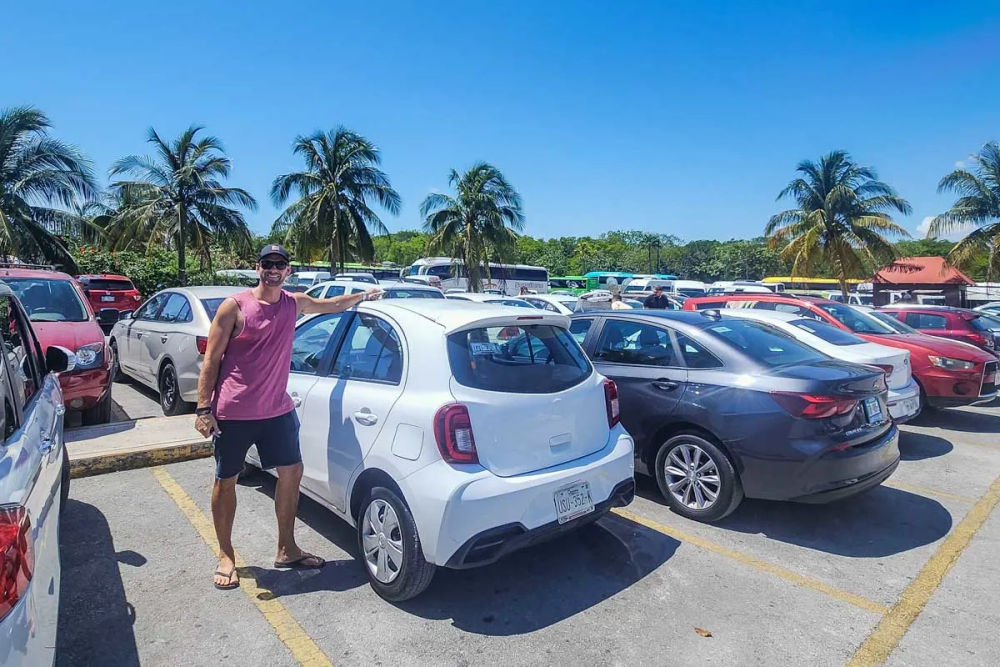
Rent a Car: For those planning to explore beyond the beach, think cenotes, Coba ruins, or Sian Ka’an, a rental car might be your golden ticket. At $30 to $50 USD per day, it often costs less than a single round trip by taxi. Just beware: parking is scarce, and beach road traffic is a beast during high season.
Grab a Bike: Tulum’s unofficial badge of honor. Biking here isn’t just transportation, it’s a vibe. Rentals cost around 150–250 pesos per day ($9–$15 USD) and offer ultimate flexibility. Plus, there’s something magical about cruising through palm-shaded roads under your own power.

Hop on a Scooter: Want speed without the parking headache? Scooters start around $30 USD/day, offering a breezy, fun way to zip between beach and town. Helmets are a must, and insurance is strongly recommended.

Colectivos & Walking: For the patient (and budget-savvy), colectivos, shared vans that run along the main highway, offer rides for just a few pesos. Combine that with some well-timed walking, and you’ve got the cheapest (and possibly most rewarding) way to experience Tulum.

Why hasn’t anything changed?
That’s the quiet part nobody says out loud. With Tulum’s rising popularity, local authorities and tourism operators know visitors will come no matter the price. And as long as the taxi union retains control and alternatives are scarce, there’s little pressure to reform.
The situation mirrors broader issues in Mexican tourism, where rapid growth sometimes outpaces infrastructure and fairness. In Cancun and Playa del Carmen, rideshare services have gained slow traction. But in Tulum, the grip remains firm.
It’s not just about economics. It’s about control.
Local impact, tourist frustration
For Tulum residents, the issue goes beyond inconvenience. High transport costs affect workers commuting daily from inland areas. For tourists, it shapes perception, turning a dream getaway into a logistical headache.
And it’s not just anecdotal. Online forums, Facebook groups, and Reddit threads are filled with travelers warning others: “Budget for taxis. You’ll need more than you think.”
The Tulum Times has followed this issue closely for years. While efforts to open up alternatives have surfaced occasionally, no real policy shift has yet materialized.
What’s next?
As Tulum grows into an international destination, luxury resorts, jungle glamping, and now an international airport, the question remains: will its transportation catch up, or continue to lag behind?
Maybe one day, rideshare platforms will find a legal pathway in. Maybe local pressure will force price reforms. Or maybe savvy visitors will increasingly rely on bicycles and colectivos, creating a silent rebellion against the system.
Until then, navigating Tulum means being prepared, informed, and just a little bit stubborn.
Because sometimes, walking that extra kilometer feels like freedom.