
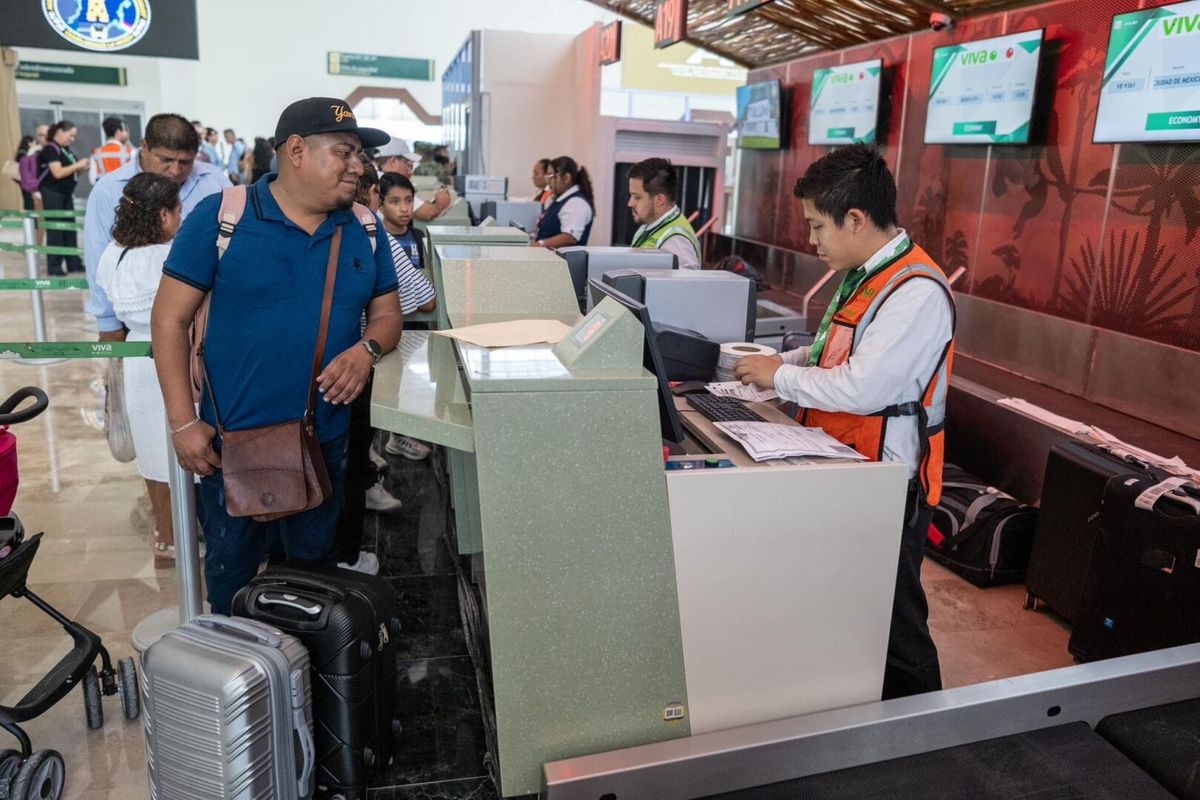
In the first quarter of 2024, Tulum International Airport reported a 20% increase in denied entries compared to the same period last year, a development local authorities attribute not only to immigration regulations but also to heightened national security priorities. This shift reflects broader efforts to balance the region’s booming tourism sector with public safety imperatives, creating a nuanced dialogue about growth and responsibility in one of Mexico’s most visited destinations.
Strengthening Protocols at Entry Points
During a recent press briefing, Tulum’s tourism director emphasized that updated security measures are designed to protect both visitors and residents amid rising global travel volumes. “Our goal is to ensure that tourism growth aligns with comprehensive safety strategies,” she noted, clarifying that inadmissions often involve layered assessments, including cross-referencing international databases for potential risks. Enhanced screenings now integrate advanced biometric technology, a move praised by aviation security experts for its precision and efficiency.
Collaboration Across Agencies
The revised approach involves coordination between federal immigration authorities, state law enforcement, and Interpol, underscoring a unified strategy to address transnational concerns. While specific cases remain confidential, officials confirm that recent operations have disrupted activities tied to organized crime and human trafficking. Such collaborations, they argue, are crucial for maintaining Tulum’s reputation as a secure and welcoming destination while addressing complex challenges that accompany its rapid development.
Tourism Sector Responds
Local businesses and hospitality leaders have shown cautious support for the measures. A hotel manager in the Aldea Zama district shared, “We’ve seen concerns from travelers about entry delays, but transparency about these protocols ultimately builds trust.” Industry analysts note that occupancy rates remain stable, with many tourists expressing willingness to undergo thorough screenings if it ensures community safety. Travel advisories from several countries have even highlighted Tulum’s proactive stance as a model for balancing accessibility and vigilance.
Community Perspectives on Sustainable Growth
Residents have voiced mixed reactions, with some applauding the focus on long-term stability and others urging clearer communication about entry requirements. A local environmental advocate pointed out, “Security isn’t just about crime prevention, it’s about preserving the delicate balance between human activity and nature.” This sentiment aligns with broader municipal initiatives that pair infrastructure upgrades with ecological preservation projects, such as reef protection programs and wastewater management systems.
Looking Ahead: Innovation and Adaptation
Plans are underway to streamline passenger processing through AI-driven risk assessment tools and expanded staff training programs. Authorities also aim to launch multilingual awareness campaigns to help travelers understand updated entry procedures. “Adaptability is key,” the tourism director added. “We’re committed to evolving our strategies to meet global standards without losing the essence of what makes Tulum unique.”
As Tulum navigates this pivotal moment, its approach offers a case study in harmonizing economic ambition with civic responsibility. Share your thoughts on these developments with us via The Tulum Times’ social media channels, we value your perspective on shaping the future of our shared community.