
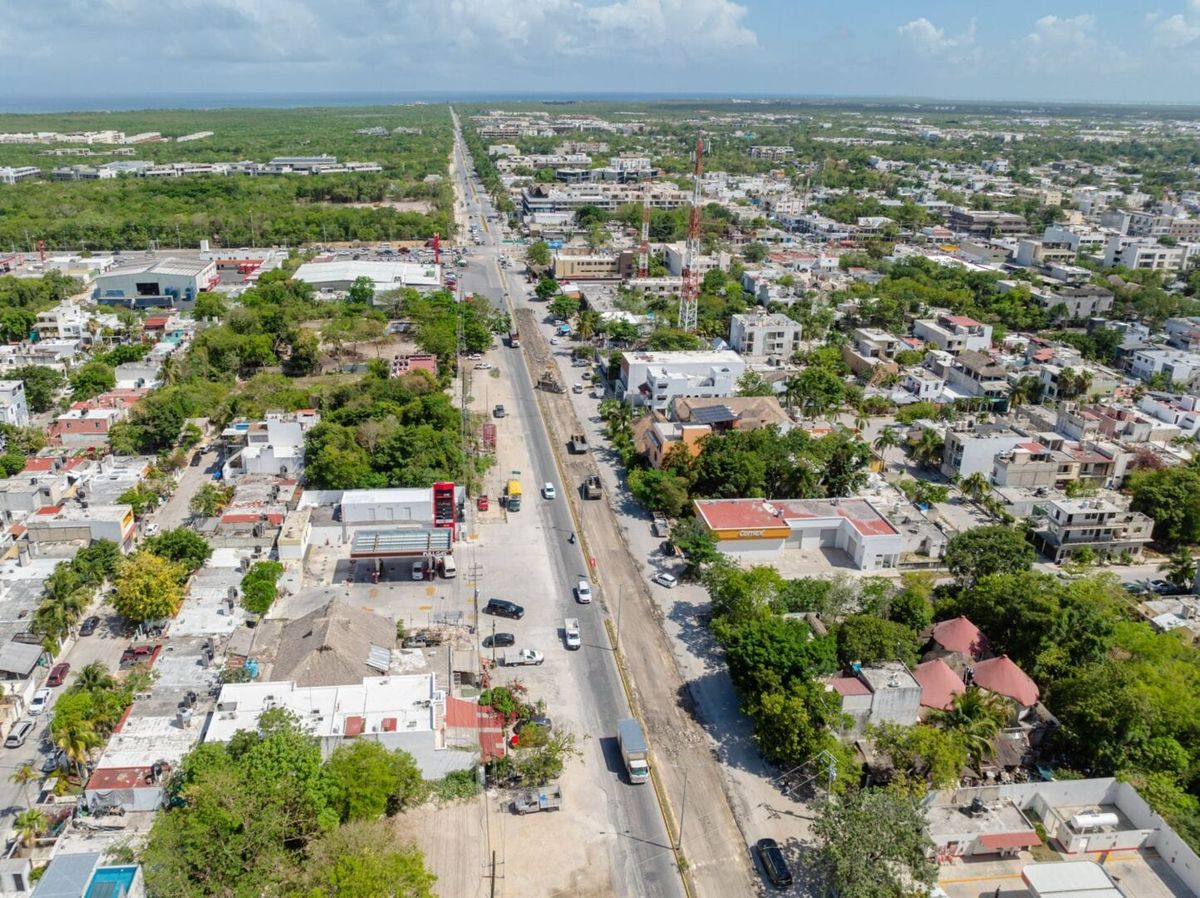
The hum of machinery is becoming a familiar soundtrack as Tulum boosts urban maintenance citywide, a deep cleaning, a re-ordering of sorts, taking root across the sprawling landscape. It’s more than just a surface scrub; there’s a discernible intention behind the recent efforts, a methodical approach that hints at something larger, something geared toward not just current inhabitants but the incessant march of future arrivals. The air, thick with the scent of cut greenery and damp earth, carries the quiet efficiency of teams working through the early morning heat, an insistent rhythm that speaks of progress, perhaps even a quiet desperation to keep pace with the unchecked growth that has so rapidly transformed this stretch of the Riviera Maya.
One sees it most clearly perhaps in the systematic clearing of sidewalks, those vital arteries often choked by overgrown roots and encroaching foliage. The municipal services office, through its Department of Urban Development, has been orchestrating a relentless campaign, tackling even the most stubbornly obstructed pathways. It’s a foundational effort, making it easier for pedestrians to navigate the increasingly congested streets, a small but significant gesture in a town often criticized for its chaotic urban planning. The details, too, speak volumes: the meticulous pruning of common areas, the collection of organic waste and debris that accumulates with startling speed, a constant battle against the tropical exuberance.
The reach of these operations is extensive, touching neighborhoods from the bustling Unidad Deportiva to the quieter corners of Villas Tulum. Villas de la Selva, Aldea Tulum, Ejido, and even the newer, still-developing areas like Guerra de Castas and Mayab, are all receiving attention. It’s an equitable distribution, suggesting a commitment to improving living conditions across the socioeconomic spectrum, not just in the highly visible tourist zones. This widespread deployment of resources underscores a strategic shift, a recognition that urban infrastructure underpins the entire fabric of the community, serving residents and visitors alike.
The municipal authorities have underscored the long-term vision, extending these initiatives “until reaching all urban points.” This isn’t a temporary facelift; it’s presented as a sustained commitment to public spaces. The work crews, often seen from dawn until dusk, are focused on preventing the accumulation of waste and the deterioration of green areas. This preventative approach aims to avoid the larger, more intractable problems that often plague rapidly expanding municipalities. There’s an underlying recognition, unspoken but palpable, that without this constant vigilance, the seductive allure of the tropics can quickly devolve into an unwieldy tangle.
Beyond the immediate visible improvements, there is a more profound implication in these concerted efforts. The emphasis on urban maintenance signals a maturity in governance, a turning away from the immediate, often reactive policies that defined earlier periods of explosive growth. A city, after all, is not merely a collection of buildings and roads; it’s a living entity, its health dependent on the continuous care of its vital systems. The clarity with which these operations are being executed, the consistent rhythm of the work, suggests a more methodical stewardship of this precious corner of Quintana Roo.
The sheer volume of material being removed, the constant chug of trucks hauling away mounds of trimmed branches and collected refuse, highlights the scale of the challenge. Tulum’s unique blend of lush vegetation and rapid development creates a constant cycle of overgrowth and accumulation. It’s a dynamic environment, demanding perpetual engagement, a sort of urban gardening on a grand scale. The current administration’s focus seems to be squarely on mastering this rhythm, on ensuring that the public realm remains not just navigable, but truly habitable, designed for human comfort and orderly living.
The true test, of course, will be the sustainability of these efforts. Will the initial burst of energy translate into enduring practices? Will the funding and manpower remain consistent as the city continues its relentless expansion? These are the implicit questions hovering over the neatly swept walkways and trimmed hedges. For now, however, there is an undeniable sense of progress, a visible commitment to the quality of life within the urban core. The sounds of clippers and rakes, the sight of uniformed crews working in unison, offer a tangible promise of a more ordered, more cared-for Tulum.
The future of any growing city hinges not just on new construction, but on the careful upkeep of its existing framework. In Tulum, where the past decade brought unprecedented change, this current phase of intensive maintenance feels less like a choice and more like an imperative. It is the groundwork for resilience, a quiet assertion of control over an environment that often feels on the verge of overwhelming its inhabitants.
What are your thoughts on these city-wide improvements? Share your opinions on The Tulum Times’ social media channels.