
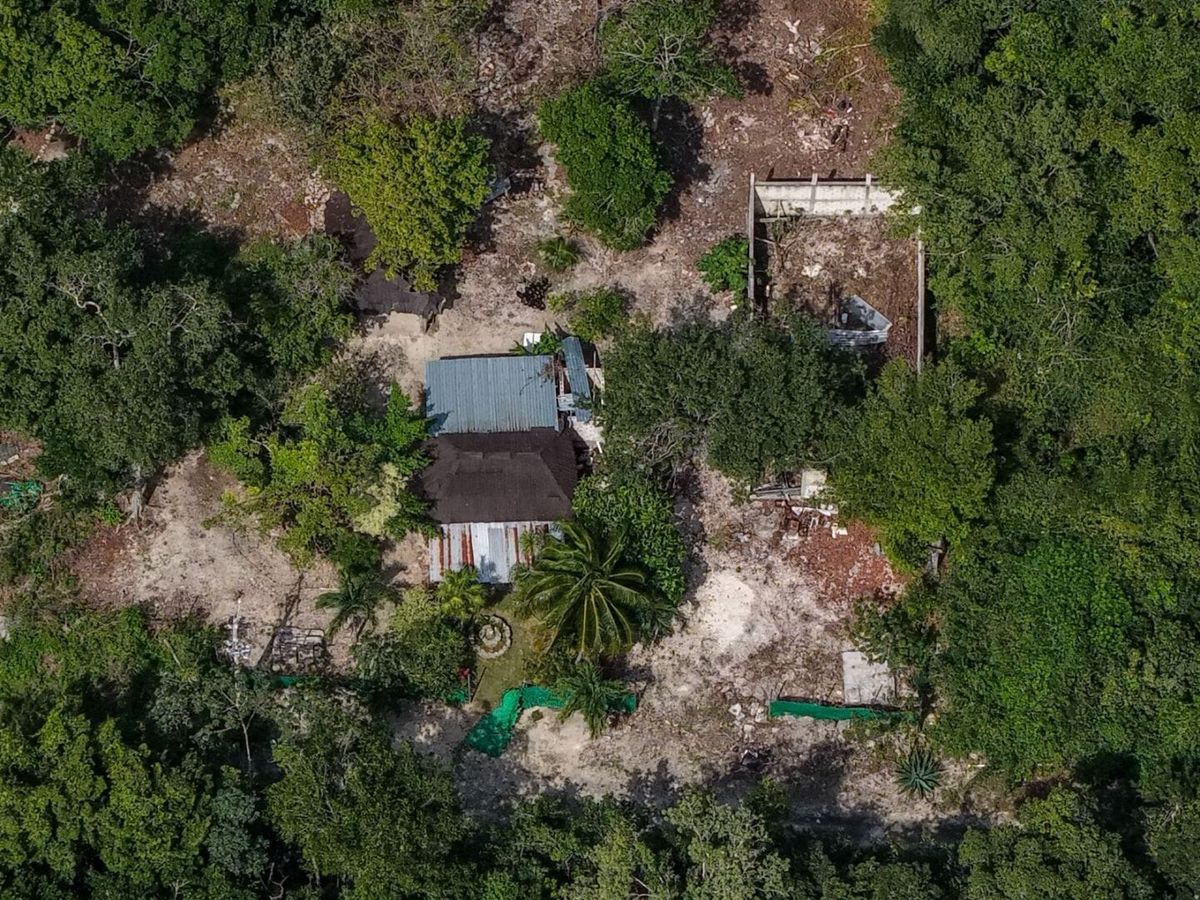
## Tulum’s Water Scarcity: A Deep Dive into a Developing Crisis
Tulum, a municipality experiencing rapid growth and an influx of tourism, grapples with a burgeoning water crisis, a complex issue exacerbated by allegations of corruption, inadequate infrastructure, and environmental degradation. The very foundation of public health and ecological balance in this coastal region faces unprecedented challenges as its water resources, once deemed abundant, show signs of severe strain. This pervasive issue is not merely about scarcity; it encompasses the quality of the available water, the high cost to consumers, and the systemic failures in its management.
### Unsustainable Practices and Environmental Fallout
The core of Tulum’s water crisis lies in uncontrolled urban development, often proceeding without the necessary environmental safeguards. Reports indicate that over 60 percent of the municipality’s 40,000 homes lack proper drainage systems, leading to the direct discharge of wastewater into the karst aquifer. This vital freshwater lens, essential for both human consumption and the delicate ecosystem of cenotes and the Mesoamerican Reef, becomes a receptacle for untreated sewage. The consequences are dire: pervasive contamination of drinking water sources and the degradation of natural habitats. Concerns extend to the proliferation of illegal wells that extract water without regulation, further depleting the aquifer and potentially introducing contaminants from the surface.
Adding to these environmental pressures, the proliferation of “ghost pipes”, illicit connections to the municipal water network, contributes significantly to water loss and puts additional stress on the system. Estimates suggest that between 40 and 50 percent of the water supplied to Tulum is lost due to these unauthorized connections and leaks within the aging infrastructure. This inefficiency means that for every liter of water pumped, nearly half never reaches a legitimate consumer, a profound waste in a region facing increasing water stress.
### CAPA Under Scrutiny: Financial Irregularities and Service Deficiencies
The Comisión de Agua Potable y Alcantarillado (CAPA), responsible for managing Tulum’s water services, has become the focal point of public discontent. Residents frequently report exorbitant charges, with some bills reaching up to 10,000 pesos monthly for domestic consumption, disproportionate to actual usage or service quality. These high tariffs are often accompanied by a lack of access to clean, potable water, forcing residents to purchase bottled water for daily needs, adding another layer of financial burden.
Accusations of corruption within CAPA are widespread, fueled by what appear to be irregular billing practices, a lack of transparency in financial management, and a perceived disregard for consumer complaints. The institution’s alleged failure to invest sufficiently in expanding and maintaining drainage infrastructure is particularly contentious, given the visible environmental impact. Despite collecting substantial revenues, the absence of corresponding improvements perpetuates a cycle of contamination and inadequacy, fostering a deep distrust among the populace. The Attorney General for Environmental Protection (PPA) has previously initiated legal proceedings against CAPA for its failure to provide adequate drainage in various developments, including the municipality of Solidaridad, underscoring a pattern of non-compliance.
### The Human Toll: Health, Economy, and Daily Life
The ramifications of Tulum’s water crisis extend beyond environmental concerns, directly impacting the daily lives and health of its inhabitants. The pervasive contamination of the water supply elevates the risk of waterborne diseases, posing a significant public health challenge. Residents, already facing economic pressures, are forced to allocate substantial portions of their income to secure safe drinking water, diverting resources from other essential needs.
The lack of consistent and clean water service also affects the local economy, particularly smaller businesses and guesthouses reliant on a stable water supply. The municipality’s reputation as an ecotourism destination is also at stake; the degradation of its natural wonders, such as the cenotes and coral reefs, could deter visitors, impacting the very industry that drives significant local employment and revenue. The intertwined issues of environmental degradation, public health risks, and economic instability present a formidable challenge to Tulum’s sustainable development. Addressing these multifaceted problems requires a concerted effort from government agencies, transparent regulation, and community engagement to safeguard the future of this unique region.
We’d love to hear your thoughts, join the conversation on The Tulum Times’ social media.