
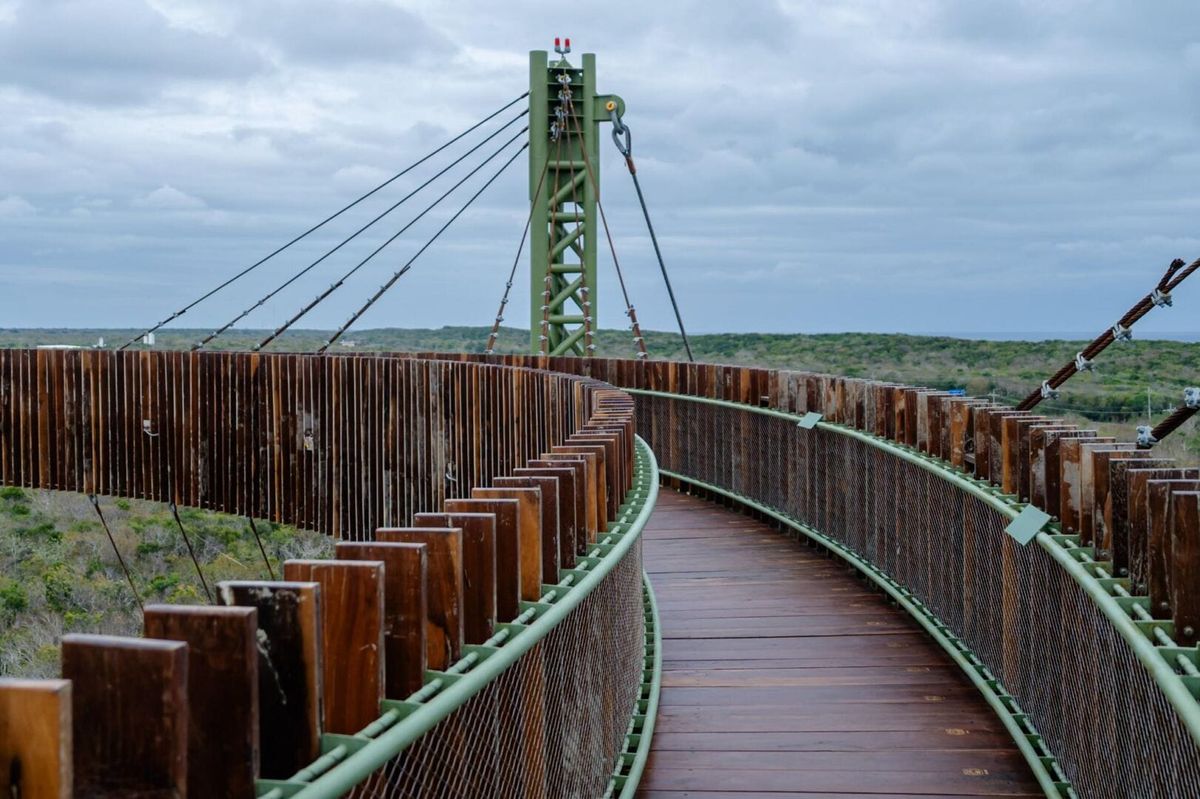
As the rhythms of Semana Santa bring travelers from across the globe to the Riviera Maya, a new sanctuary in Tulum is quietly drawing attention for all the right reasons. Parque del Jaguar, an expansive ecological and cultural reserve, is emerging not as a place of spectacle, but of reverence, a space where the Caribbean breeze meets the deep breath of the jungle, and where human presence feels, for once, appropriately small.
This isn’t the typical tourism postcard. There are no sprawling resorts or curated luxury. Instead, visitors are guided toward the essence of something far more lasting: the land, the stories, and the silent power of the jaguar.

Where Sea Meets Canopy: The Mirador and the Faro
At the heart of the park’s growing popularity are two deceptively simple landmarks: the Mirador and the Faro. The Mirador, perched above the dense canopy, opens up a view so panoramic it borders on the sacred. The contrast is sharp, the endless blue of the Caribbean Sea on one side, the emerald pulse of the jungle on the other. Time slows here. It’s not just a photo opportunity; it’s an invitation to see.

Then there’s the Faro, the lighthouse turned icon. It stands like a sentinel at the edge of the wild, drawing early risers and sunset chasers alike. Social media has done its job spreading the image far and wide, but standing there in person, bathed in the first or last light of day, the experience becomes less about the picture and more about the presence.
Preserving the Jaguar, Protecting the Future
More than just a name, the jaguar is the soul of this place. Elusive and endangered, the jaguar roams, mostly unseen, through protected territory within the park. The creation of this reserve is as much about shielding this majestic predator as it is about creating space for humans to rethink their role in the ecosystem.

Visitors learn not just through observation, but through story: curated paths and exhibitions explain the jaguar’s role in Mayan mythology, its ecological significance, and the real challenges it faces in a rapidly changing world. The park doesn’t shout its message. It whispers it through the rustle of trees, the trace of pawprints, the echo of birds overhead.
A Model of Sustainable Tourism
Diego Castañón, Tulum’s current municipal president, has described Parque del Jaguar as a “living example of responsible tourism.” His administration has emphasized the project’s role in balancing conservation with community well-being, no small feat in a region often caught between economic growth and environmental degradation.

Local communities are not spectators in this project; they are stakeholders. From guiding tours to creating artisanal products sold within the park, their participation ensures that the cultural thread remains intact. Tourism, here, isn’t about extraction. It’s about exchange.

A Different Kind of Destination
As travelers seek deeper experiences and destinations that align with their values, Parque del Jaguar offers a compelling answer. It is not polished. It does not offer convenience at every turn. But it offers something more essential, a chance to listen, to walk softly, to remember that the land was here first.
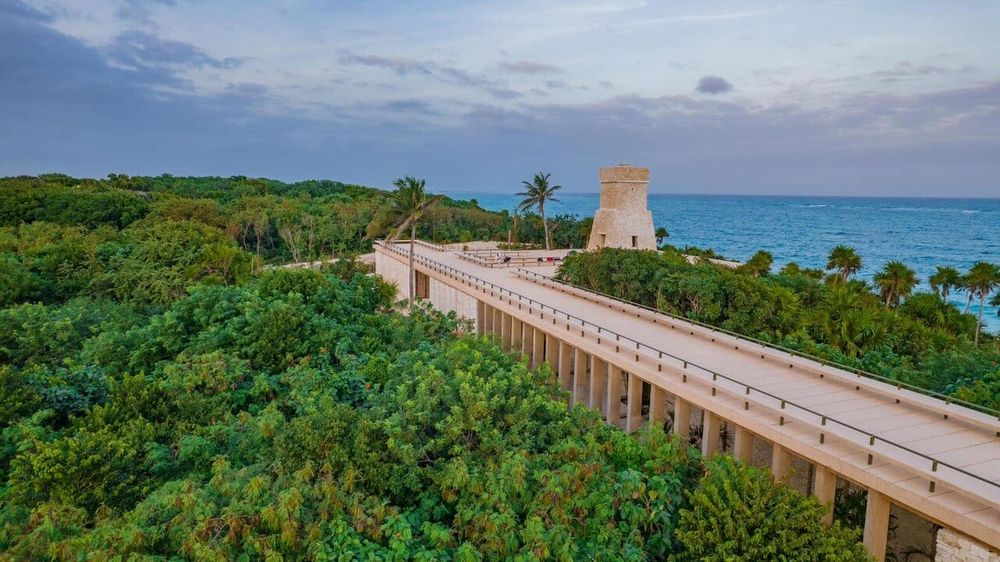
During Semana Santa and beyond, the Mirador and Faro are drawing steady crowds. Yet the park still holds a quiet dignity, resisting the impulse to become spectacle. That, perhaps, is its true power. In a region defined so often by development, Parque del Jaguar is about restraint, and about honoring what already is.
Join the conversation on our social media platforms and share your experience if you’ve visited Parque del Jaguar. We’d love to hear what you discovered.