
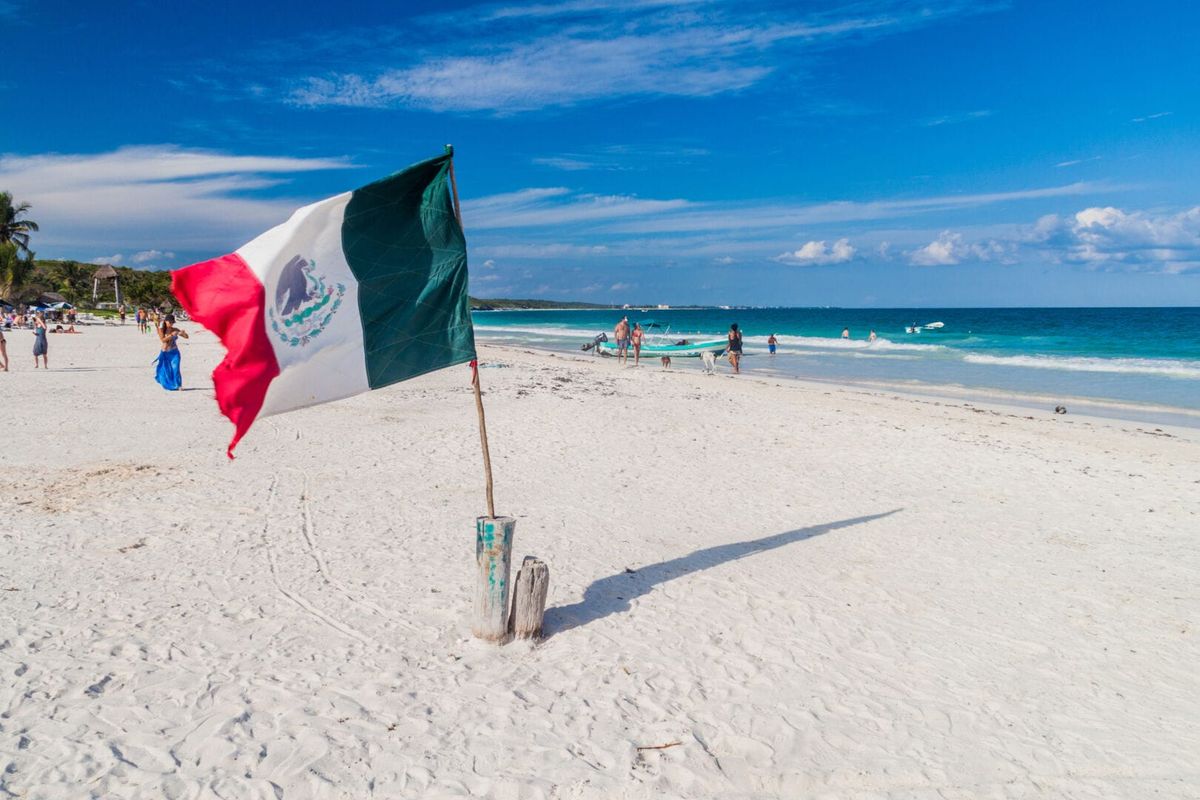
The Mexican Caribbean is weathering 2025 like a seasoned boxer in the tenth round, bruised, sweating, but still throwing punches. It’s a year that refuses to play by the old rules. Tourism, once the region’s sure bet, has grown erratic. Arrivals are down. Forecasts wobble. And yet, there’s a strange, stubborn resilience in the air.
Let’s start with the punch to the gut: Cancún’s airport, typically a bustling gateway to turquoise dreams, lost over a million passengers in the first three months of 2025. That’s a 6.9% drop from last year, according to the GEMES report from Héctor Flores Santana, citing federal data. For a region whose economy pulses with the rhythm of arriving jets and rolling suitcases, this is no small dent.
But wait, just down the coast, Tulum’s new airport quietly ushered in 130,000 international tourists in the same timeframe. That’s not just a footnote. It’s a shift. A redistribution of traffic. A crackle of change.
The Broader Storm: Global Pressures and Regional Adjustments
Zoom out and the picture gets murkier. According to data drawn from UN Tourism and interpreted by Francisco Madrid’s STARC at Universidad Anáhuac Cancún, the entire Caribbean saw a dip of nearly 10% in international arrivals. Quintana Roo’s numbers, while down, beat that average by a couple of points.
It’s not just about fewer flights or cautious travelers, it’s about the reshuffling of global tourism. Asia-Pacific and Africa are booming this year, up 12.2% and 9.4% respectively. Why? Some whisper it’s the allure of the exotic. Others blame a desire for distance, travelers looking further afield now that the world feels a little safer. Long-haul is back. And with it, Europe, Canada, and the U.S. are bleeding tourists to faraway lands.
When Home Becomes the Destination
And yet, the real twist in this plot comes from within. Mexican travelers are discovering their own backyard. Routes like Cancún to Mexico City only dipped 1.3% through April. Meanwhile, the AIFA airport saw flights to Cancún jump 12.2%, and to Tulum an eye-popping 60.3%. That’s over half a million domestic travelers who, not long ago, either stayed put or took international detours.
This isn’t just a number. It’s a mood. A quiet revolution. A reminder that sometimes, when the world tilts, home becomes the most compelling destination.
Canada Breaks Ranks, And Trump Might Be the Reason
Up north, another current is pulling hard. Flights from Toronto to Cancún rose 42.9%. Montreal? A staggering 60.6%. That’s 300,000 more Canadians touching down in the Caribe mexicano. The reason? It’s political, at least in part. Disdain for Trump-era rhetoric has chilled the appeal of U.S. destinations. So Canadians, like migratory birds, are changing course. Southward. Mexican beaches now offer not just sun, but reprieve.
Sargassum Seaweed: A Familiar Foe, Managed Differently
Then there’s the weed in the garden: sargazo. Every summer, this floating seaweed creeps up on the shores like a specter. This year is no different, and the headlines are flaring again. But the panic? It’s toned down. Here’s why.
Jamaica and the Dominican Republic face it too. The blight is regional. But in Quintana Roo, lessons have been learned. Specialized machinery, joint efforts between hoteliers and government, and improved cleanup strategies have taken root. Yes, it’ll be bad through September. But come fall, when northern winds turn cold and Canadians and Americans go looking for warmth, those same beaches will be ready.
Betting Big on 2026
What comes next? The region isn’t just waiting it out. There’s a card up its sleeve, and it’s got FIFA stamped all over it. The 2026 World Cup is coming, and Mexico’s visibility will be dialed up to eleven. Stadiums will roar, but so will hotel lobbies, airport lounges, and beachfront bars. The Caribe mexicano is positioning itself not just as a side trip, but a headline act.
A Pause, Not a Fall
So no, this isn’t a crisis. It’s a recalibration. After years of meteoric growth, 2025 feels like the breath before the next sprint. There’s bruising, yes. But also adaptation, ingenuity, and above all, endurance. Because that’s the thing about the Caribe mexicano: it doesn’t break easy.
We’d love to hear your thoughts, join the conversation on The Tulum Times’ social media.