
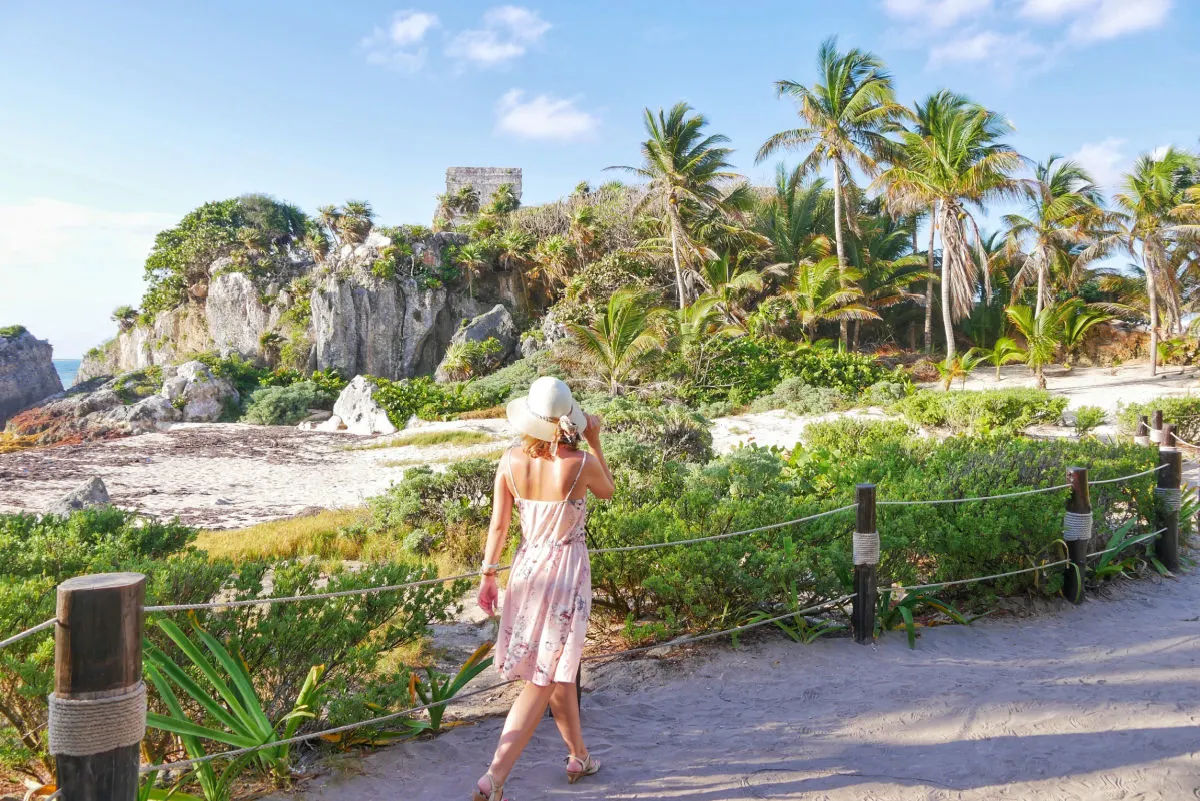
On any morning, travelers from around the world converge on this once-sleepy Caribbean town, practicing yoga at sunrise or lining up at beachfront cafes for an acai bowl. The question on everyone’s mind – and social media feeds – seems to be, “Why is Tulum so Popular?” The answer lies in a perfect storm of natural beauty, cultural allure, and modern trends that have transformed Tulum from a hidden backpacker haven into a global hotspot in barely two decades.
From Ancient Ruins to Boho-Chic Retreat
Long before the boutique hotels and DJ-driven jungle raves, Tulum was known for its history. Perched on cliffs above turquoise waters are the 13th-century Mayan ruins of Tulum, a walled trading outpost that drew modest tourist day trips in the late 20th century. In 1990, Tulum was a village of just 2,000 inhabitants. Even into the 1990s, it retained a “countercultural haven” vibe – a place of palapas without electricity where yoga, meditation, and a “quasi-mystical atmosphere” attracted spiritually minded travelers.

The early 2000s brought change. A paved highway down the coast and rebranding the entire corridor as the “Riviera Maya” opened the gates. By 2010, Tulum’s population and development were surging. The once-hidden gem had been discovered by celebrities and trendsetters eager for a rustic yet luxurious beach escape. By 2018, Tulum’s permanent population swelled past 40,000, and annual visitors neared 2.5 million. The rustic cabanas began to share the shore with upscale eco-resorts, and the town officially graduated from off-grid hippie secret to international destination.
Tourism Boom in the Mexican Caribbean
Today, Tulum is firmly on the global tourism map, and the numbers back it up. Tourism to Mexico’s Caribbean coast has not only rebounded from the pandemic but broken records – over 20 million travelers visited the surrounding Quintana Roo state in 2023 alone. Tulum has been a significant beneficiary of this boom. In 2024, the town saw roughly a 14% jump in tourist arrivals compared to the previous year, marking one of the fastest growth rates in the region. Local officials even noted that Tulum ranked as the top choice for international female travelers in 2024, reflecting its broad appeal.
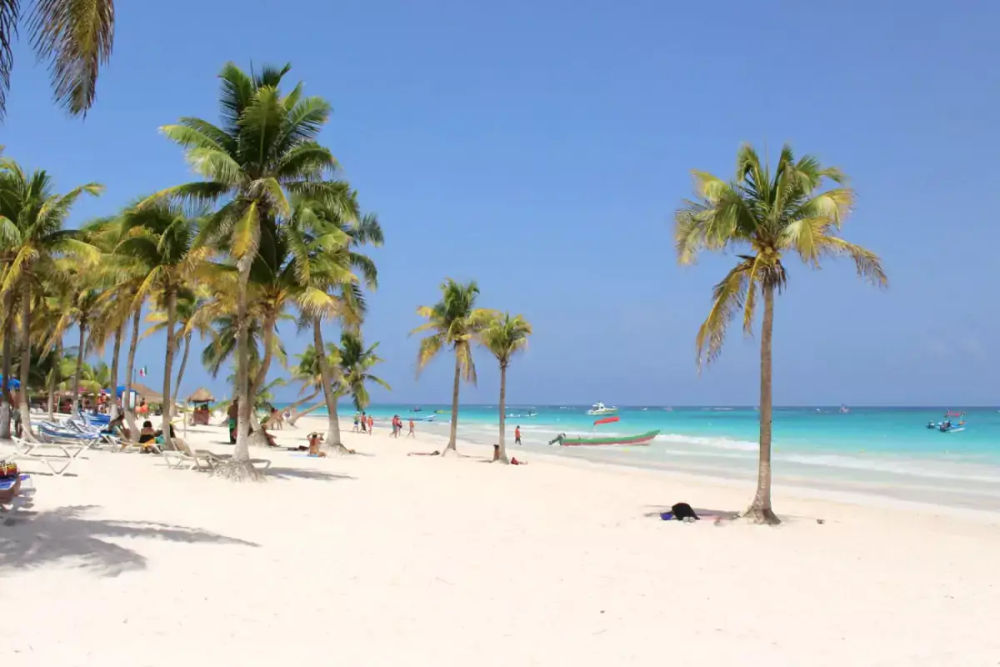
Tulum’s beaches, with their white sand, swaying palms, and turquoise sea, have become icons of the Mexican Caribbean’s allure.
What makes Tulum so magnetic for today’s tourists? For one, its natural beauty is near irresistible – powdery beaches backed by jade-green jungles and cenotes (natural limestone pools) offer a mix of relaxation and adventure. Travelers can spend the morning snorkeling in a cenote, touring Mayan ruins, and the afternoon sipping fresh coconut water under a beachfront palapa. This immersive, multifaceted experience aligns perfectly with current travel trends favoring destinations that offer “a perfect blend of nature and culture,” as one travel report noted. It’s a beach holiday, but one where you can also meaningfully engage with local history and ecosystems.
Equally crucial in driving Tulum’s popularity is its carefully cultivated image. The town has become synonymous with “Instagram-worthy” scenery and bohemian luxury. Social media platforms are flooded with pictures of Tulum’s iconic scenes – from sunbathers on swings at beach clubs to the famous sculpture of a goddess opening her chest (a popular selfie spot at a local park). This digital allure has given Tulum free advertising to millions. “The rise of Instagram and Airbnb have influenced Tulum’s rapid transformation from backpackers’ paradise to hotel-dense tourism hub,” observed one analysis. Indeed, stylish eco-chic resorts and designer Airbnb villas have proliferated, allowing visitors to live out a tropical fantasy and broadcast it to the world. That visibility creates a self-perpetuating cycle: the more people post about Tulum’s turquoise water and jungle cocktail bars, the more others add it to their bucket lists.

Tulum’s tourism boom also got an early boost during the pandemic era. While much of the world was locked down, Mexico’s Caribbean coast remained relatively accessible, attracting a wave of digital nomads and remote workers fleeing winter and restrictions. “Tulum has become the Mexican destination for digital nomads hoping to work from paradise,” noted a Bloomberg report. This influx of laptop-toting foreigners in 2020–2021 injected the town with international energy (and income) even when global tourism was at a standstill. Many of those remote workers, discovering they could swap Zoom backgrounds of city apartments for actual palm trees, have kept coming – or even moved here – further fueling demand for Tulum’s lifestyle of sun, sand, and decent Wi-Fi.
Real Estate Gold Rush
Booming tourism and worldwide hype have made Tulum not just a place to vacation but a place to invest. In the past few years, real estate development in Tulum has exploded at a pace that locals could hardly have imagined a decade ago. Jungle plots once accessible only by dirt track are now home to condos, villas, and wellness retreats – many snapped up by foreign buyers. Land values have skyrocketed. In one central Tulum neighborhood, a lot that sold for about $130 per square meter in 2015 now fetches roughly $500 per square meter. Such appreciation – nearly a fourfold increase – exemplifies the feverish demand. Analysts note that some areas saw “accelerated growth of up to 30% in value annually” during the height of speculation.

The promise of high rental yields (thanks to steady tourist occupancy via Airbnb) and the allure of owning a slice of paradise have drawn investors from the U.S., Canada, Europe, and beyond. Construction cranes have become standard on Tulum’s skyline, where tropical foliage once dominated. The town’s vernacular architecture – thatched roofs and rustic bungalows – is increasingly joined by sleek condo complexes with rooftop pools and modernist villas boasting “eco-luxe” design. Real estate firms market Tulum as a frontier of opportunity, blending “luxury tourism, digital nomads, and international investors” in one place.
But with rapid growth has come growing pains. Soaring property values are a double-edged sword: great for investors, challenging for locals seeking affordable housing. More starkly, Tulum’s freewheeling development boom has at times outpaced regulations. In the rush to build “a piece of beachside heaven,” some buyers and small investors have encountered painful pitfalls. Recent investigations uncovered instances of outright fraud and project failures amid the frenzy – cases where hopeful buyers ended up with unfinished condos and vanished developers, losing their life savings. These cautionary tales underscore that Tulum’s real estate market, while lucrative, is still maturing. Authorities have begun tightening oversight on new projects, and reputable developers are now emphasizing sustainability and community integration to distinguish themselves from get-rich-quick schemers.
Wellness and the “Tuluminati” Lifestyle
One cannot talk about Tulum’s popularity without mentioning the distinctive lifestyle culture that has grown around it. This town is where upscale restaurants offer vegan tasting menus and temazcal sweat lodge ceremonies, where daybreak yoga sessions and sunset beach parties coexist seamlessly. Tulum’s wellness scene is arguably as big a draw as its beaches. Many visitors seek relaxation and rejuvenation – a week-long yoga retreat, a meditation workshop in a jungle pavilion, or a spa treatment using local Mayan clay. The wellness culture here taps into Tulum’s roots as a spiritual retreat. What was once a rustic, off-grid yoga haven in the 90s has evolved into a high-end wellness destination, yet it still capitalizes on the town’s natural serenity and mystique. Boutique resorts like Amansala and Yaan Wellness offer programs blending exercise, detox, and indigenous healing practices, giving Tulum a reputation as a place to heal and find balance, not just to party.

At the same time, Tulum has become famous for its bohemian nightlife and festivals, attracting a jet-set crowd sometimes dubbed the “Tuluminati.” Electronic music festivals and jungle raves light up the nights in the winter high season. World-class DJs perform at open-air venues in the jungle, where barefoot revelers dance under the stars. This mix of mindfulness by day and revelry by night creates a unique vibe that keeps many travelers – from wellness enthusiasts to celebrities – returning. Social media again plays a role: high-profile visits (think Instagram posts of Hollywood stars and supermodels doing yoga on Tulum’s beach or attending a New Year’s Eve party) have only amplified the town’s cachet.
Sustainability and Growing Pains
All of this popularity, however, comes at a cost that Tulum is grappling to manage. The environmental pressure on Tulum’s delicate ecosystems has escalated rapidly. The very features that make it unique – the jungle, mangroves, and cenotes – are under strain from many people and buildings. Overdevelopment in some areas has outpaced infrastructure. Notably, Tulum lacks a comprehensive sewage system for most of the town: a few years ago, only about 15% of buildings were connected to municipal sewage treatment. Many hotels and homes use septic systems or dump wastewater improperly in the worst cases. The result has been contamination seeping into the limestone bedrock and the cenotes. Studies show as many as 80% of the Yucatán Peninsula’s cenotes (including those around Tulum) now show signs of pollution – a cocktail of human waste, chemicals from toiletries, and other runoff. Divers exploring cave pools near Tulum have even reported finding human waste and trash far underground, a grim indicator that the current growth model is unsustainable without better infrastructure.

Residents and activists are increasingly vocal about protecting Tulum’s environment. Conservation groups and some eco-minded business owners have initiated beach cleanup campaigns, mangrove replanting projects, and educational programs to encourage sustainable practices. For its part, the government has introduced stricter development regulations on paper – for example, requiring environmental impact assessments for new large projects – though enforcement has historically been spotty. Encouragingly, Tulum’s authorities have also launched initiatives to burnish the town’s green credentials. Beach sustainability certifications are one such effort: The municipality aims to certify five local beaches under the prestigious “Playa Platino” (Platinum Beach) program by 2025, which entails meeting rigorous standards for water quality, waste management, and ecosystem preservation. Already, two beaches carry this certification. “This isn’t just a government initiative; it’s a community effort,” a local official explained, noting that many residents and businesses have started weekly beach clean-ups and switched to biodegradable materials. Such collective action reflects a growing awareness that Tulum must safeguard the natural resources that are the foundation of its appeal.

Another facet of Tulum’s evolution is the improvement of infrastructure to handle growth. Until recently, getting to Tulum meant a 90-minute drive from Cancún Airport or a bumpy bus ride. That changed dramatically with the opening of the Tulum International Airport at the end of 2023. Tulum’s new airport welcomed over 1 million passengers in its first year of operation, far exceeding initial projections. Suddenly, tourists can fly directly into the Tulum area from major cities, a convenience expected to increase visitor numbers further. Likewise, the much-anticipated Tren Maya (Maya Train) has begun operations in the region. By late 2024, the new rail line’s Tulum station will open to passengers, linking Tulum with other Yucatán Peninsula attractions. The train promises a more sustainable transport option and could relieve some road traffic, even as it makes Tulum more accessible than ever. These infrastructure projects – a modern airport and a rail network – are part of a broader plan to manage the tourism boom. They bring economic opportunity but raise the stakes: Tulum is no longer remote, and the world can easily reach it. The challenge moving forward is ensuring that “success doesn’t destroy what made Tulum special,” as one local hotelier put it. That means thoughtful planning, investing in water and waste systems, and learning from other over-touristed destinations’ mistakes.

The Road Ahead
Tulum’s rise from a quiet fishing village to an international phenomenon has been remarkable. It has become a microcosm of the modern tourism paradox: a tropical paradise that thrives on popularity while struggling with its consequences. On one hand, tourism and investment have brought jobs, global cuisine, art and music festivals, and improved connectivity to this corner of Quintana Roo. On the other, they have strained resources and tested Tulum’s capacity to grow without losing its soul. The coming years will be a critical balancing act. Can Tulum continue to ride the wave of global interest – attracting travelers, influencers, and investors – while preserving the pristine environments and mellow charm that drew people in the first place?

Local leaders and community groups are cautiously optimistic. There is a palpable pride in how Tulum has put itself on the map and a determination to address issues like sustainability and equitable development. Many believe that with careful planning, Tulum can serve as a model for “inclusive, sustainable growth” in tourism, proving that economic prosperity and environmental stewardship need not be mutually exclusive. The world will watch as Tulum enters its next chapter in this “new era” of tourism.
Ultimately, Tulum is so popular that it’s worth protecting: stunning natural beauty, a rich cultural backdrop, and an uncanny ability to offer something for everyone – from solace and wellness to adventure and nightlife. Whether Tulum can keep its “mojo” amid rapid change is up to those who love it. What do you think? The Tulum Times invites readers to share their thoughts and experiences on our social media platforms – join the conversation about Tulum’s past, present, and future.