

The introduction of mandatory entry fees at public beaches linked to the creation of Jaguar Park in Tulum is altering tourist movement across the Riviera Maya, with effects extending well beyond the municipality itself. Visitors who once traveled from Playa del Carmen to what is officially Mexico’s ninth municipality are now changing their itineraries, according to Otto Von Bertrab, president of the Ecology, Sustainable Tourism Promotion and Environmental Management Commission of Confederación Patronal de la República Mexicana in Quintana Roo.
Von Bertrab said the new cost structure has disrupted a long-established tourism corridor that connected destinations throughout the region, reducing economic spillover to neighboring communities. The impact, he added, is unfolding amid broader political and macroeconomic uncertainty linked to statements by US President Donald Trump regarding Mexico, which have contributed to a cautious outlook among international travelers.
Fees at Jaguar Park challenge destination competitiveness
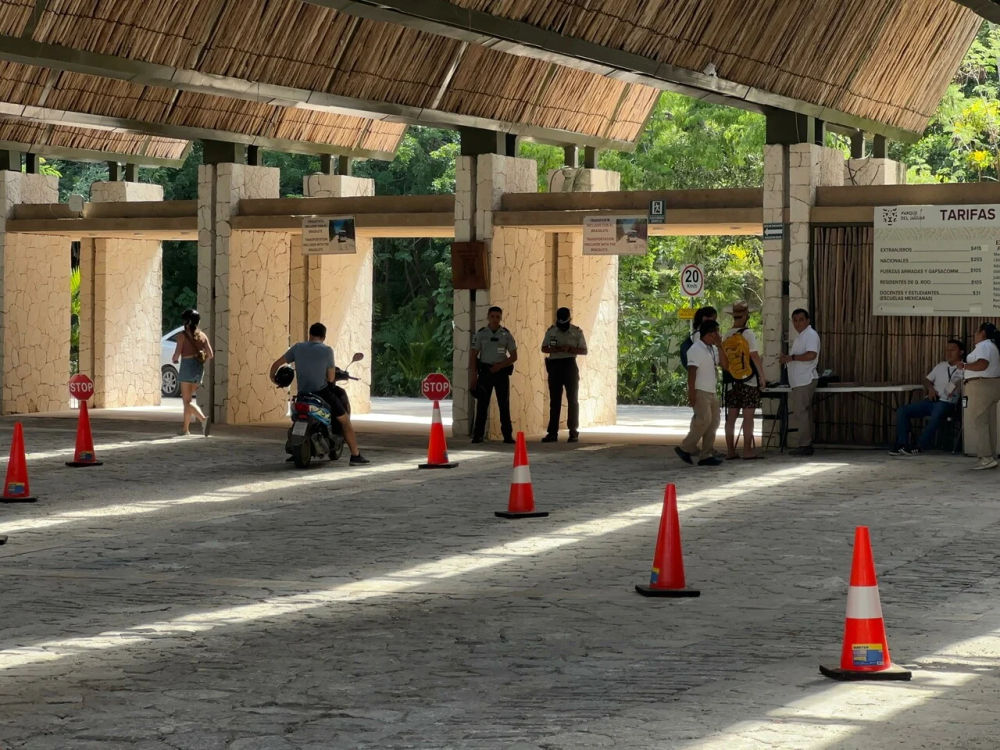
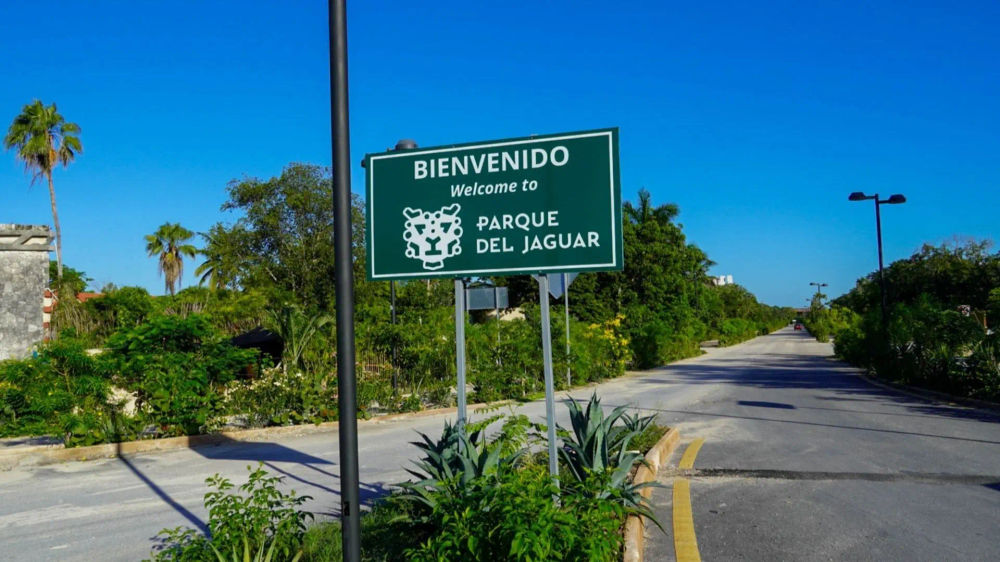
Jaguar Park, which now controls access to areas traditionally considered public, has introduced a tiered pricing system that varies by residency and nationality. On weekdays, foreign visitors pay approximately 415 pesos, while Mexican nationals are charged about 255 pesos. Quintana Roo residents with identification pay around 105 pesos, and Mexican teachers and students with valid credentials pay roughly 31 pesos.

Mexican citizens receive free access on Sundays with official identification. Children under 12, adults over 60, people with disabilities, and residents of Tulum are exempt from fees every day when proper documentation is presented.
Business leaders argue that while differentiated pricing is common in protected areas, the structure and mandatory nature of the charges in this case are undermining Tulum’s competitiveness. Tourists seeking access to beaches or archaeological sites are required to pay the Jaguar Park fee even if they do not intend to use the park’s facilities, a requirement that Von Bertrab said is generating dissatisfaction.
Ripple effects reach Playa del Carmen and beyond
The shift in visitor behavior is being felt across the Riviera Maya. Von Bertrab said cruise lines that previously docked in Playa del Carmen have adjusted their routes because Tulum excursions were a primary draw for passengers. Without that incentive, some cruise operators have opted to bypass the destination altogether.
He pointed to the broader structure of Quintana Roo’s tourism economy, which has long been marketed as an interconnected corridor. Beaches, cenotes, jungle attractions, and Maya heritage sites are promoted collectively, with each municipality contributing a distinct experience and sharing in the resulting economic activity.
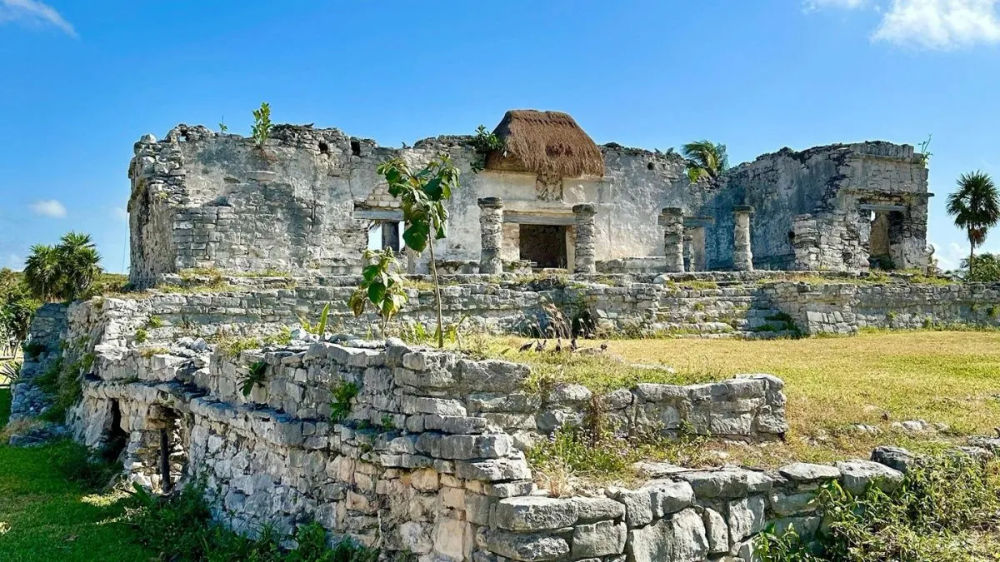
According to Von Bertrab, this interdependence means that policies affecting one destination can quickly reverberate throughout the state. Municipalities, he said, are not economically independent units but part of a single social and commercial chain.
Rio Secreto reports sustained decline in visitors
One of the clearest examples cited by the Coparmex leader is Rio Secreto, an ecotourism attraction that has reported a 15 percent drop in occupancy. Von Bertrab attributed the decline to the additional costs imposed by Jaguar Park, which he said many visitors perceive as excessive or unfair.
He noted that overall tourism occupancy in Quintana Roo has remained weak over the past two years. Entering January 2026, he said, the outlook does not appear to be improving and, in some segments, continues to deteriorate.
Tourism businesses, Von Bertrab added, are increasingly concerned about their ability to remain viable. With limited clarity on future demand, many operators are focused on survival rather than expansion. He estimated that the destination as a whole is experiencing a 4 to 6 percent decline in tourist flow, largely driven by reduced arrivals from the United States and Canada.
Loss of passengers highlights the severity of the downturn
The founder and chief executive of Rio Secreto said travel agencies have reduced promotion of Tulum because of the added costs associated with Jaguar Park. As a result, sales linked to visits from Tulum to Rio Secreto fell by half in 2025.
The company lost an estimated 10,000 passengers, compared with 20,000 visitors transported from Tulum in 2024. The decline has been described internally as catastrophic, reflecting not only lost revenue but also the erosion of established tour circuits.
The executive said visitors are frustrated by being required to pay for Jaguar Park access in order to enter the archaeological zone, even when they have no intention of visiting the park itself. This practice, he said, creates the perception of being overcharged, discouraging both tourists and agents from including Tulum in their itineraries.
Military control of tourism raises business concerns
Von Bertrab warned that the decision to place tourism operations under military management is intensifying the problem. While he stopped short of questioning the intentions of the armed forces, he said the current model is negatively affecting the sector and could push some businesses, particularly travel agencies, toward bankruptcy.
Historically, Tulum attracted visitors interested in beaches and ruins who also explored nearby Maya communities and cenotes. By imposing access fees through Jaguar Park, he said, authorities have redirected spending away from independent service providers, effectively concentrating economic activity within a single managed space.

Von Bertrab argued that tourism cannot be sustained by forcing visitors into predefined routes or purchases. He said there are a few global examples where military-run tourism has succeeded, citing Cuba as a rare case with mixed results.
He called for a reassessment of the current approach, urging authorities to reduce military involvement and allow visitors greater freedom of choice. According to Von Bertrab, restoring flexibility is essential to rebuilding confidence and preventing further decline.
The situation underscores what is at stake for the Riviera Maya’s interconnected tourism economy as Jaguar Park fees in Tulum continue to influence travel decisions. How authorities respond may determine whether the region stabilizes or faces deeper contraction. We’d love to hear your thoughts. Join the conversation on The Tulum Times’ social media. Should access policies be adjusted to protect both conservation goals and regional tourism flows?