
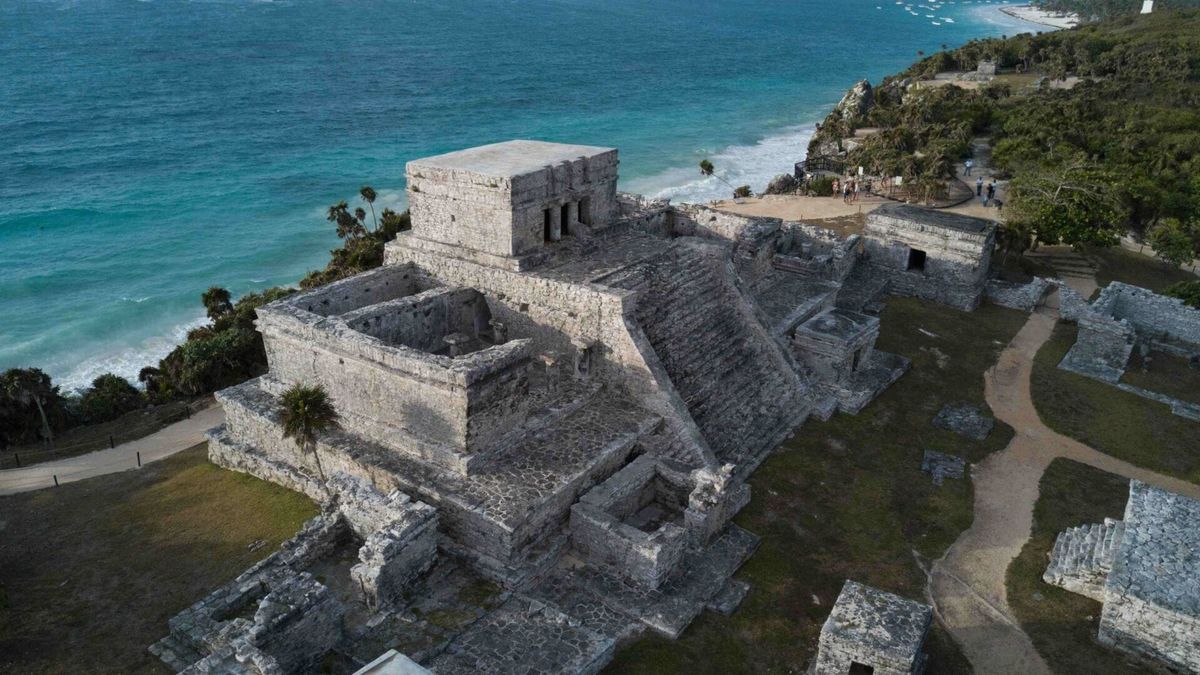
A Shifting Tide for Coastal Tourism
Hotel occupancy rates in Tulum dipped below 50% this summer for the first time since 2010, according to Quintana Roo tourism bureau data released this week. This unexpected downturn reveals complex challenges reshaping one of Mexico’s most iconic destinations, and the creative responses emerging from its resilient community.
Economic Crosscurrents Reshape Visitor Patterns
Travel industry analysts point to a confluence of factors altering Tulum’s tourism landscape. Increased competition from emerging destinations across the Yucatán Peninsula has diverted international travelers seeking “undiscovered” locales. Meanwhile, room rates averaging $450 USD per night, a 25% increase from 2023, have made the area less accessible to mid-range travelers without corresponding upgrades in services.
The Sustainability Paradox
Environmental pressures loom large in current discussions. Last month’s water rationing in multiple neighborhoods, coupled with persistent sargassum blooms along southern beaches, has prompted difficult conversations about carrying capacity. “We’re seeing visitors ask tougher questions about ecological impact,” noted Gabriela Montes, coordinator of the Tulum Hospitality Alliance. “It’s no longer enough to simply call yourself an eco-resort.”
Workforce Dynamics in Transition
Behind the statistics lies human complexity. The tourism ministry reports 16.7% of local hospitality workers faced reduced hours or layoffs this season. Some veteran staff have relocated permanently to Playa del Carmen, creating staffing challenges as businesses prepare for winter bookings. Yet in the colonias, new community kitchens and skill-sharing workshops suggest grassroots responses to economic pressures.
Cultural Identity at a Crossroads
Longtime residents express mixed feelings about the slowdown. While some welcome reduced congestion, others worry about the erosion of Tulum’s distinctive character. Artisan markets report increased sales of traditional Mayan crafts, hinting at visitors’ growing appetite for authentic cultural experiences over Instagram-driven aesthetics. “The soul of this place isn’t in infinity pools,” remarked local ceramicist Tomás Caamal, “but in the hands that shape the clay.”
Innovations on the Horizon
Forward-looking initiatives suggest potential pathways. Three new marine conservation partnerships launched this month aim to protect coastal ecosystems while creating alternative tourism revenue streams. Meanwhile, revised zoning proposals under municipal review could redirect development toward community-led cultural projects rather than luxury resorts.
As hoteliers reassess pricing strategies and restaurateurs experiment with hyper-local supply chains, a quiet transformation unfolds. The current challenges may ultimately strengthen Tulum’s ability to balance growth with authenticity, provided stakeholders heed the lessons of this pivotal season.
Have thoughts on Tulum’s evolving tourism landscape? Join the conversation through The Tulum Times’ social channels, we value our readers’ perspectives on shaping sustainable futures.