

Before turning 30, César Castañeda had already been named by Gourmet de México as one of the country’s most promising young chefs. His rise was fast and visible, leading the acclaimed Nü Tulum, a restaurant that captured the creative pulse of the Riviera Maya. Yet fame, he says, was never the destination. What followed was a shift away from the spotlight toward a quieter, more complex role that is reshaping Mexico’s hotel kitchens: that of the corporate chef.
Today, as Corporate Chef for Minor Hotels in Mexico and Cuba, overseeing global brands like Anantara, Avani, Tivoli, Oaks, and NH Collection, Castañeda represents a new generation of leaders who see gastronomy not just as art, but as management, mentorship, and cultural stewardship.
“Cooking is not only about creating dishes,” he often tells his teams. “It’s about helping people grow, professionally and humanly.”
From Nü Tulum to global hotels: a journey of reinvention
Castañeda’s shift from the open kitchen to the corporate office began after seven intense years at Nü Tulum. Success brought him attention from critics and the public, but also exhaustion. Seeking new perspectives, he accepted temporary projects in Canada and the United States, cooking for high-profile events like Formula One and collaborating with Michelin-starred friends.
It was during that time that he discovered an unexpected passion: building systems, designing manuals, and teaching teams. The work behind the scenes, often unseen by diners, proved more rewarding than the applause.
When Javier Vivanco, Food & Beverage Director for Minor Hotels, approached him with an offer to oversee the group’s culinary direction across Mexico and the Caribbean, Castañeda accepted without hesitation. He saw it as a test of everything he had learned: the artistry of fine dining, the precision of operations, and the empathy required to lead hundreds of people across cultures.
Redefining leadership in the kitchen
In his current position, Castañeda supervises around 160 employees, from cooks and sous-chefs to event planners and purchasing teams. Yet he rarely talks about hierarchy. For him, leadership begins with listening.
“People want to be heard,” he explains. “When you give teams a voice, they engage. A cook who proposes a recipe from their grandmother feels part of something larger.”
His management style reflects a quiet revolution in Mexico’s hospitality industry: one that values respect, collaboration, and emotional intelligence as much as culinary innovation. The old-school model of yelling chefs and endless shifts, he believes, no longer belongs in modern kitchens.
“Treating people poorly is bad management,” he says. “Productivity rises when people feel seen and supported.”
The hotel kitchen as a reflection of territory
Castañeda’s philosophy extends beyond the staff to the menus themselves. He views each hotel as a living expression of its surroundings. “A hotel is often the traveler’s first contact with a place’s cuisine,” he notes. “That experience should tell a story of where they are.”
To that end, he and his teams work to adapt each menu to local traditions. Breakfasts in Mexican properties always include what he calls “the corner of corn,” a space devoted to tortillas, tamales, and other staples. But in Monterrey, where flour tortillas dominate, the offer changes accordingly.
This attention to detail, he argues, allows global hospitality to stay rooted in place. Whether in Quintana Roo or Nuevo León, guests taste something authentic, and cooks feel proud of their own heritage.
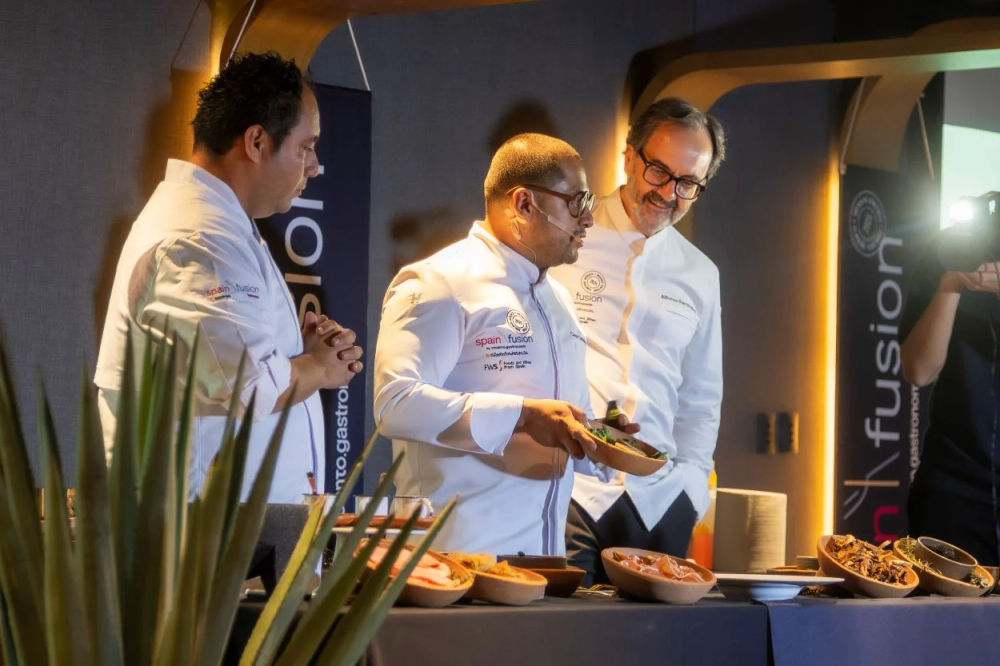
Balancing local flavor with global standards
Running restaurants across borders means constant negotiation between creativity and consistency. A hotel kitchen, Castañeda admits, is a delicate ecosystem where local suppliers meet international expectations.
Minor Hotels sources ingredients both locally and nationally, but Castañeda insists that profitability must include environmental and social dimensions. A locally sourced product, he explains, may cost more on paper but offers richer value in flavor and sustainability.
“Every purchase is a decision with impact,” he says. “If we choose wisely, what, from whom, and how, we can change many things.”
That philosophy mirrors a broader shift across Mexico’s tourism industry, particularly in regions like Tulum and the Riviera Maya, where sustainability has become both a necessity and a competitive edge.
The new metrics of success in hotel gastronomy
For Castañeda, the true measure of a chef’s success no longer lies in Michelin stars or media coverage but in team growth and guest experience. His days begin early with exercise, kitchen rounds, and financial reviews. He monitors trends, analyzes data, and looks for ways to align culinary identity with business goals.
Hotel dining, he says, has changed dramatically. Once seen as secondary to independent restaurants, it is now a frontier for creativity and innovation. “Breakfast,” he points out, “is our biggest opportunity. A good breakfast is a small promise that the hotel restaurant can be an experience.”
In this way, Castañeda’s work reflects a broader industry awakening: the recognition that food and beverage are no longer amenities but central to hospitality itself.
A Mexican vision for a global industry
Castañeda believes Mexico is entering a powerful phase in its culinary evolution. Its proximity to the United States accelerates cultural exchange, but post-pandemic introspection has also deepened appreciation for local products and identities.
“Mexican gastronomy is learning to celebrate itself,” he says. “We’re realizing that the more we value our own roots, the stronger we become globally.”
From his vantage point overseeing hotels across Mexico and Cuba, Castañeda sees his mission as both practical and philosophical: to integrate local culture into international standards without losing soul.
For him, the kitchen remains a place of human connection, a workshop where respect, curiosity, and purpose coexist. “Cooking built me,” he reflects. “It taught me values, respect, and how to communicate emotion through food.”
Toward a more human kind of hospitality
In the end, Castañeda’s story is less about fame and more about transformation. His career illustrates how corporate chefs are becoming the architects of modern gastronomy, bridging business strategy, sustainability, and emotion.
By listening to teams, empowering local voices, and redefining what success looks like in the kitchen, chefs like him are quietly reshaping the future of Mexico’s hospitality landscape.
César Castañeda chef has become not only a culinary leader but a symbol of a new kind of management, one that measures excellence in empathy as much as in execution.
We’d love to hear your thoughts. Join the conversation on The Tulum Times’ social media.
How do you see the future of leadership in Mexico’s hospitality kitchens?