
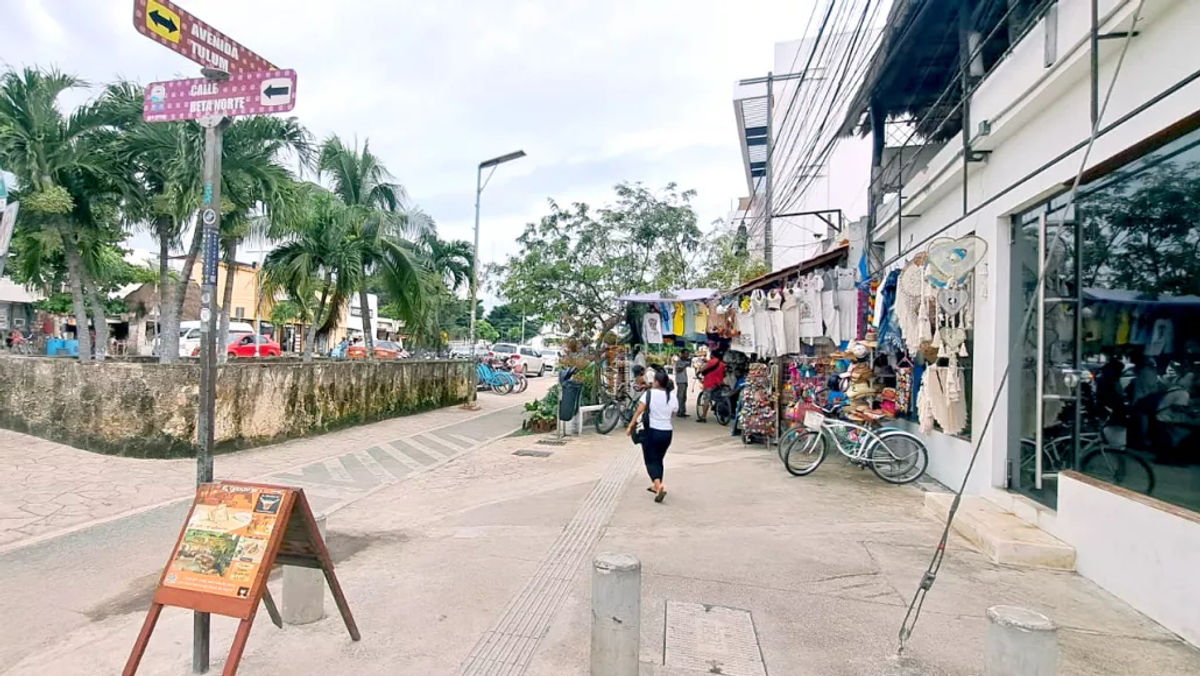
Over the past 18 months, Tulum has seen a 15% reduction in long-standing local businesses, with restaurants and boutique clothing stores bearing the brunt of economic pressures, according to data from the Quintana Roo Commerce Council. While the town continues to evolve as a global destination, these Tulum business closures reflect a complex interplay of rising operational costs, shifting tourism patterns, and changing consumer expectations, a story unfolding quietly beneath the region’s vibrant surface.
The Changing Face of Tulum’s Commercial Landscape
Established eateries and retail shops that once thrived along Tulum’s leafy avenues now face unprecedented challenges. The municipal government reports that commercial rents in central areas have increased by 22% since 2022, outpacing revenue growth for many businesses. Simultaneously, visitor spending habits have shifted toward short-term experiential purchases rather than sustained retail engagement.
Rising Costs and Competition
Local entrepreneurs describe an economic “perfect storm.” María González, owner of a 12-year-old textile shop near Avenida Kukulcán, explains: “Between new luxury developments attracting high-end clients and digital nomads seeking budget-friendly options, mid-range businesses like ours are getting squeezed from both sides.” Delivery app commissions, now averaging 25–30% per order, have further complicated profitability for family-owned restaurants.
The Sustainability Paradox
Interestingly, the same eco-conscious values that define Tulum’s identity contribute to operational complexities. A 2023 study by the Local Business Alliance found that 68% of shuttered establishments had invested in sustainable infrastructure upgrades but struggled to recoup costs through pricing strategies acceptable to both tourists and residents.
Adaptation in a Shifting Economy
Amid these challenges, creative adaptations are emerging. The Tulum Economic Revitalization Initiative (TERI) has helped 40+ businesses pivot through microloans and cooperative marketing programs. Former restaurant spaces now host pop-up culinary incubators, while vintage clothing stores experiment with rental models for festival attire.
Local Perspectives and Community Efforts
Longtime resident Carlos Mijangos observes: “What we’re witnessing isn’t just closures, it’s metamorphosis. The spirit of Tulum’s entrepreneurial community remains vibrant, just taking new forms.” This sentiment resonates along La Rue de las Artes, where a collective of local designers recently converted three adjacent closed storefronts into a rotating artisan gallery space.
Tourism Evolution and Future Outlook
While transient visitors still dominate spending, there’s growing emphasis on cultivating local patronage. TERI’s “Shop Where You Live” campaign increased resident spending at neighborhood businesses by 18% last quarter. New zoning proposals aim to preserve affordable commercial spaces, and digital platforms like Mercado Tulum connect small producers directly with consumers.
As the town navigates this economic transition, collaborations between established operators and innovators suggest new pathways forward. The recent success of a cooperatively owned beachside café, funded through community shares and featuring hyperlocal ingredients, hints at sustainable models that honor Tulum’s essence while embracing necessary change.
We welcome reader perspectives on this evolving story. Share your experiences with Tulum’s commercial evolution through our Instagram @TheTulumTimes or Facebook page.