

The Festival Gastronómico Mexicano will take center stage in Tulum this November, bringing three days of food, culture, and community to the plaza outside the municipal palace. Scheduled for November 14 to 16 from 16:00 to 23:00, the event is expected to draw residents and travelers who want to understand how Mexican cuisine connects daily life across the country.
Local officials say the festival could become a reference point for cultural events in Quintana Roo, partly because it highlights a culinary tradition that carries centuries of history. It also offers a window into the way food shapes memory and identity in communities across Mexico. The event’s organizers believe that the mix of cooking demonstrations, regional dishes, and artistic performances will create an atmosphere that appeals to families, long-term residents, and tourists from the Riviera Maya.
“Food can bring people together in ways few other things can,” said a municipal staff member involved in planning. “A plate can tell a story, and this festival wants to give space to those stories.”
And in a town where tourism drives much of the local economy, officials appear eager to guide that attention toward producers and cooks whose work often remains out of public view.

Why officials believe food can shape Tulum’s cultural agenda
According to Melitón González Pérez, director general of Economy of Tulum, the decision to host the Festival Gastronómico Mexicano stems from a broader goal. The municipal government wants to strengthen pride in national identity while supporting individuals whose livelihoods depend on traditional cooking. He said that many participants learned their craft through family lines, and that sharing those techniques represents an act of preservation as much as celebration.
González Pérez explained that the event is organized by the Municipal Tourism Department and the Department of Economic Development. He described the collaboration as necessary because local gastronomy sits at the intersection of culture and economy. The event is meant to serve both fronts. Tulum, which has seen rapid growth and shifts in population, often looks for opportunities to promote cohesion. Municipal leaders hope that a public festival built around shared meals can help bring neighbors into the same space.

There is also a practical motivation. Economic officials believe that showcasing traditional dishes could expand interest in local markets, cooking workshops, and small family restaurants that keep regional methods alive. “Mexico has a cooking tradition that continues to evolve,” González Pérez said. “Events like this keep the public connected to that tradition.”
A closer look at what the festival will offer
The program includes live music, artistic performances, and demonstrations of classic Mexican recipes. Visitors will find tamales, pozole, tacos, mole, regional desserts, and drinks prepared by cooks from several states. Organizers said that many of the participants come from families who have preserved specific recipes for generations. Some of the cooking styles reflect Indigenous roots, while others trace influences from northern cattle ranching regions, central highlands kitchens, and southern coastal ingredients.
One short anecdote shared by organizers shows the type of personal stories behind the dishes. A cook from Oaxaca, for example, explained that she learned to prepare mole negro by observing her grandmother, who would grind spices by hand on a stone metate. Each year, she said, she tries to teach at least one younger family member the same practice. For her, the chance to serve this dish in Tulum is not only a professional opportunity but also a way to honor those who taught her.
Festival staff say these kinds of stories illustrate why the event aims to share more than flavors. “Every region has something unique, but at the table, people can understand each other,” said one organizer. The festival appears designed to encourage that exchange in a setting that remains accessible to the public.
How the Festival Gastronómico Mexicano fits into Tulum’s cultural identity
Tulum has long attracted travelers who want to experience Mexico’s archaeological sites, Caribbean coastline, and growing culinary scene. The town sits within a region known for rapid development and complex economic transitions. Events rooted in traditional culture might help balance those pressures by giving visibility to histories that might otherwise fade.
The Tulum Times has reported on similar municipal efforts in the past, and this event follows a pattern in which cultural programs are used to reinforce social ties. The Festival Gastronómico Mexicano could also influence local policy if it succeeds in drawing larger crowds than expected. Officials often evaluate attendance at public festivals when planning future budgets, and strong participation might push the municipality to expand cultural programming.

Yet there is an underlying question about how Tulum can maintain its identity amid the pace of change. Residents note that cultural events can help shape the public character of the town, especially when they include people from different regions of Mexico who have made Tulum their home. A festival focused on national gastronomy might act as a reminder that much of the country’s cultural power comes from its diversity.
Local and national cooks bring regional knowledge to Quintana Roo
One of the event’s most anticipated features is the presence of cooks from across Mexico who will share recipes that often vary from family to family. According to organizers, this structure allows visitors in Quintana Roo to taste dishes that might otherwise require long-distance travel. It also places lesser-known local producers in the spotlight.
Participants include cooks who specialize in Yucatán-style cochinita, Puebla-style mole, Jalisco-style birria, and several northern techniques involving grilled meats and comal-fired tortillas. While the specific list of participants has not been released publicly, officials confirmed that the selection focuses on cooks who represent cultural continuity rather than commercial branding. Some participants work in small eateries, while others prepare food primarily for community events or family ceremonies.
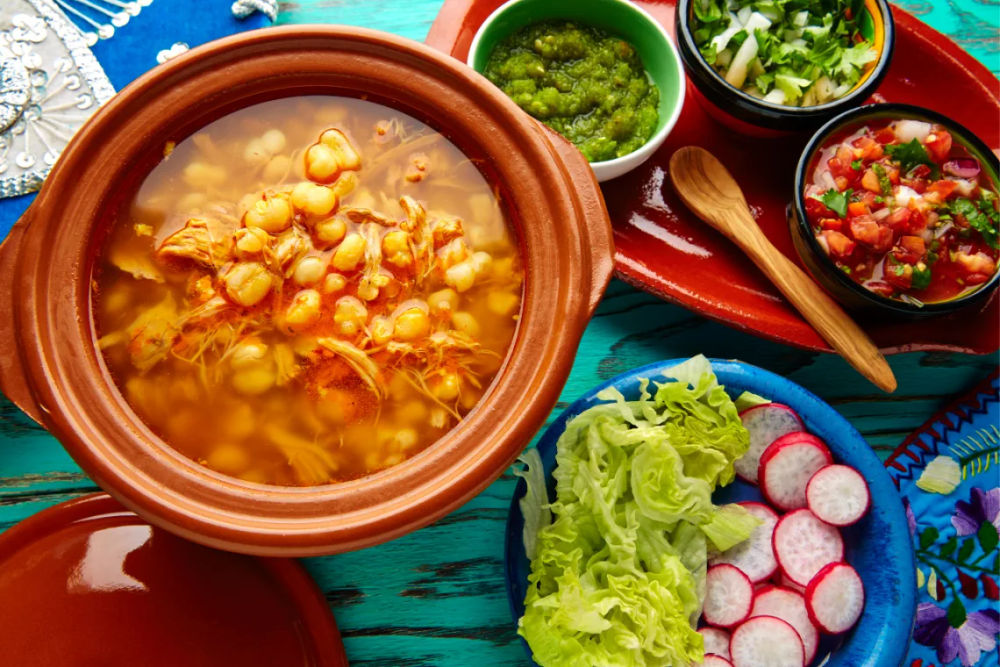
Many dishes planned for the festival carry symbolic meaning. Tamales often relate to celebrations and rites across Mexico. Pozole is tied to social gathering. Mole represents regional pride and culinary complexity. Even simple tacos can express local agriculture through their fillings. Organizers want visitors to see these details so that the event functions as a cultural learning experience, not just a food fair.
Why gastronomy remains a strong economic driver in Mexico
Mexico’s international reputation for cuisine has grown steadily, helped in part by the decision of UNESCO to recognize the country’s traditional gastronomy as Intangible Cultural Heritage of Humanity. This recognition acknowledges that Mexican cooking is more than a collection of recipes. It is a system of knowledge, agricultural history, and social practice.
Local officials argue that events like the Festival Gastronómico Mexicano can convert that recognition into economic growth for Tulum. They believe that tourists, especially those traveling through the Riviera Maya, might look for opportunities to attend cultural programs during their stay. If even a small percentage choose to visit the festival, organizers say the town stands to gain through food sales, lodging, and transportation services.
But there is also a civic motivation. González Pérez noted that shared public experiences might help strengthen bonds among residents. He said the municipality wants to support spaces where families can spend time together, where newcomers can meet long-time locals, and where traditional practices receive public attention.
Community expectations for the Festival Gastronómico Mexicano
Some locals see the festival as a chance to reconnect with foods that remind them of other parts of Mexico. Others view it as a practical way to support regional producers who rarely receive opportunities to display their work in a large public setting. Several small business owners stated that they expect an uptick in visitors passing through nearby streets, which could improve sales in a period that often slows before the winter holiday season.
A vendor who sells handmade tortillas near the municipal palace said she hopes the event will show younger residents that cooking remains a viable career. She described how her grandmother taught her to work with masa as a child. She added that the festival feels like a moment when those lessons come full circle.
What might come after the festival for Tulum
Municipal leaders have suggested that the success of this event could influence future cultural programming in Tulum. If attendance is strong, they might consider expanding the festival into a yearly tradition or adding workshops that focus on specific regional cooking methods. Some officials mentioned that future editions could include forums on agricultural sustainability, food security, or market development in Quintana Roo.
The social media-friendlyv message that organizers shared ahead of the event reflects the broader spirit of the festival. “A country’s history can be tasted one plate at a time,” they said. It is a line that captures the organizers’ intention to present Mexican cuisine as a living tradition, not a static symbol.
What is at stake for Tulum’s cultural future
As the Festival Gastronómico Mexicano approaches, the town watches to see how the event will shape public conversations about identity, economy, and community in Mexico’s Caribbean region. The festival brings together cooks, families, and travelers who share an interest in the dishes that define daily life. It also connects Tulum to national networks of culinary heritage at a time when cultural representation carries increasing weight.
Whether the event becomes a long-term fixture remains to be seen, but its organizers believe it could deepen the town’s relationship to its cultural roots while offering new economic opportunities. The Festival Gastronómico Mexicano stands as a reminder that food carries stories, and that those stories can influence how communities understand themselves.
We’d love to hear your thoughts. Join the conversation on The Tulum Times’ social media.
What p