

A new biotechnological plant dedicated to recycling cigarette butts has opened in Playa del Carmen, becoming the first of its kind in Quintana Roo and the second in Latin America, according to organizers Reverdece AC and Eukariota. The facility will initially process cigarette waste generated by residents of Playa del Carmen, Tulum and Cancún under a citizen-focused program called Sin Filtros.
The initiative directly affects coastal ecosystems across the Riviera Maya, where discarded cigarette butts are a common form of urban and beach litter. For Tulum, a municipality surrounded by cenotes, mangroves and Caribbean coastline, the program could reduce contamination risks linked to one of the most persistent types of public waste.
The plant began operating this month as part of a broader responsible waste management strategy. In its first phase, organizers say it will rely exclusively on citizen participation and will not include corporate collection agreements.
Scale of contamination in coastal cities
Reverdece AC and Eukariota estimate that up to 700,000 cigarette butts can be generated in a single day in Playa del Carmen, based on the city’s tourism-driven activity. That estimate was previously reported by La Jornada Maya in 2023 in coverage of tobacco-related environmental impacts on Caribbean beaches.
A single cigarette butt can contaminate up to 50 liters of freshwater, according to the organizations. In a region defined by underground rivers and cenotes, that figure highlights the potential scale of environmental damage if waste is not managed.
The new plant is designed to treat nearly 200,000 cigarette butts per month in its initial stage. Organizers calculate that this capacity represents a potential mitigation equivalent to protecting up to 10 million liters of water monthly, based on the contamination estimate per unit.
For Tulum residents and businesses, this means that cigarette waste collected locally could now be treated within the region rather than ending up in landfills, streets, beaches or stormwater systems.

How the bioremediation process works
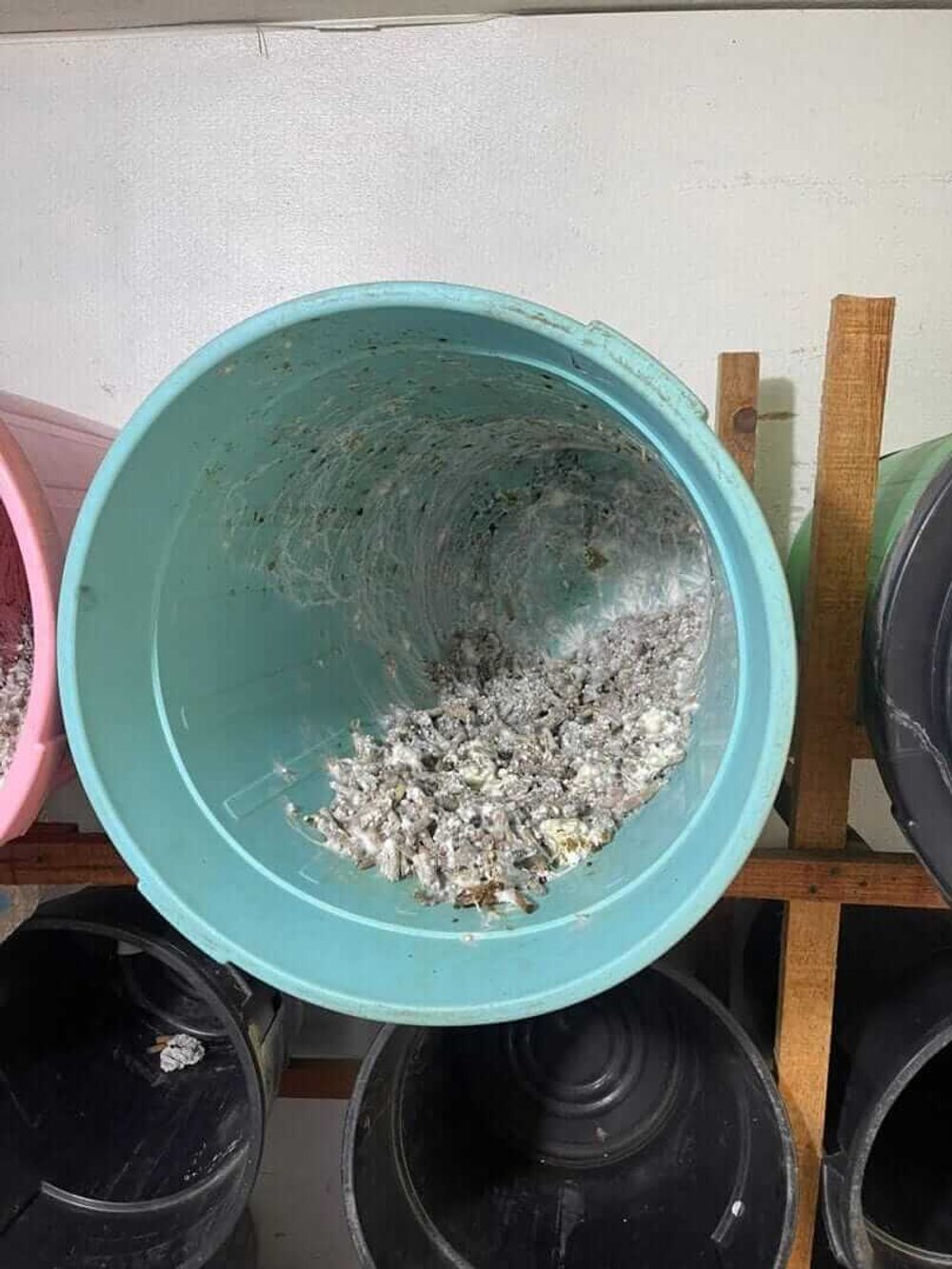
The recycling facility operates using a bioremediation process that incorporates specialized fungi. According to Reverdece AC and Eukariota, these organisms are capable of mineralizing recalcitrant compounds found in cigarette filters, including hydrocarbons and other toxic substances.
The fungi also perform adsorption of heavy metals, binding contaminant molecules to the surface of treated material and reducing their environmental risk.
The installation includes 50 biotechnological reactors and an integrated climate control system designed to stabilize fungal conditions under the high temperatures typical of the Caribbean. Maintaining stable environmental conditions is considered essential for the process to function effectively.
Once treated and inertized, the resulting material will be reused as raw input for handmade paper products, following a circular economy approach. Organizers say this closes the waste loop by transforming a highly contaminating residue into a usable material.
The Tulum Times previously reported on regional sustainability initiatives aimed at reducing beach waste and marine pollution, including community-led cleanup efforts across the Riviera Maya. This new infrastructure adds a technological layer to those citizen-driven actions.
Citizen collection points expand across the Riviera Maya
The Sin Filtros program will establish urban collection points in Playa del Carmen, Tulum and Cancún. Residents are asked to deposit cigarette butts dry and inside a plastic PET bottle before leaving them at designated sites.
In Playa del Carmen, initial collection locations include Tropical Tacos, the pedestrian access at Calle 1 and Calle 50 leading to Playa Cocobeach, Somos Ávalon, Cafebrería Zapatista, and the Food Truck Plan V.
Organizers will monitor containers and transport the collected material periodically to the treatment plant. A digital map of green collection points is available at www.reverdeceac.com/mapa.
For Tulum, the program represents an opportunity to integrate structured waste handling into a municipality that receives heavy visitor traffic but continues to face pressure on public cleaning services and natural areas.

What changes for Tulum now?
Although the plant is located in Playa del Carmen, it is designed to serve the broader Riviera Maya corridor, including Tulum. In the short term, the main change is the availability of a formalized system for citizen-driven cigarette butt recycling.
The program does not currently include business collection. That limitation means restaurants, hotels, and nightlife venues in Tulum are not yet part of a formal disposal channel through this initiative.
But organizers say the immediate focus is on building citizen awareness and participation. Beach cleanups and urban cleanup days are also planned as part of the broader strategy, including in high-traffic areas such as Playa del Carmen’s Fifth Avenue. Similar corridors in Tulum, where cigarette litter accumulates in planters and public walkways, could see comparable efforts.
By positioning Quintana Roo as an early adopter of biotechnological treatment for cigarette waste, Reverdece AC and Eukariota aim to establish a regional reference point for applied environmental innovation.
For Tulum, the relevance is direct. Cigarette butts are one of the most visible and normalized forms of litter on beaches and in public spaces. Their treatment now has a defined path within the state.
The next step will depend on participation rates. If residents in Tulum actively use designated collection points and comply with handling guidelines, the plant’s monthly capacity could be fully utilized. If participation remains low, much of the waste will continue entering public and natural spaces.
The primary keyword, cigarette butt recycling in Quintana Roo, now carries concrete infrastructure behind it rather than a concept alone. What remains to be seen is how broadly the program will be adopted across the Riviera Maya.
We’d love to hear your thoughts. Join the conversation on The Tulum Times’ social media.
Will Tulum residents make cigarette butt recycling part of their daily routine?