
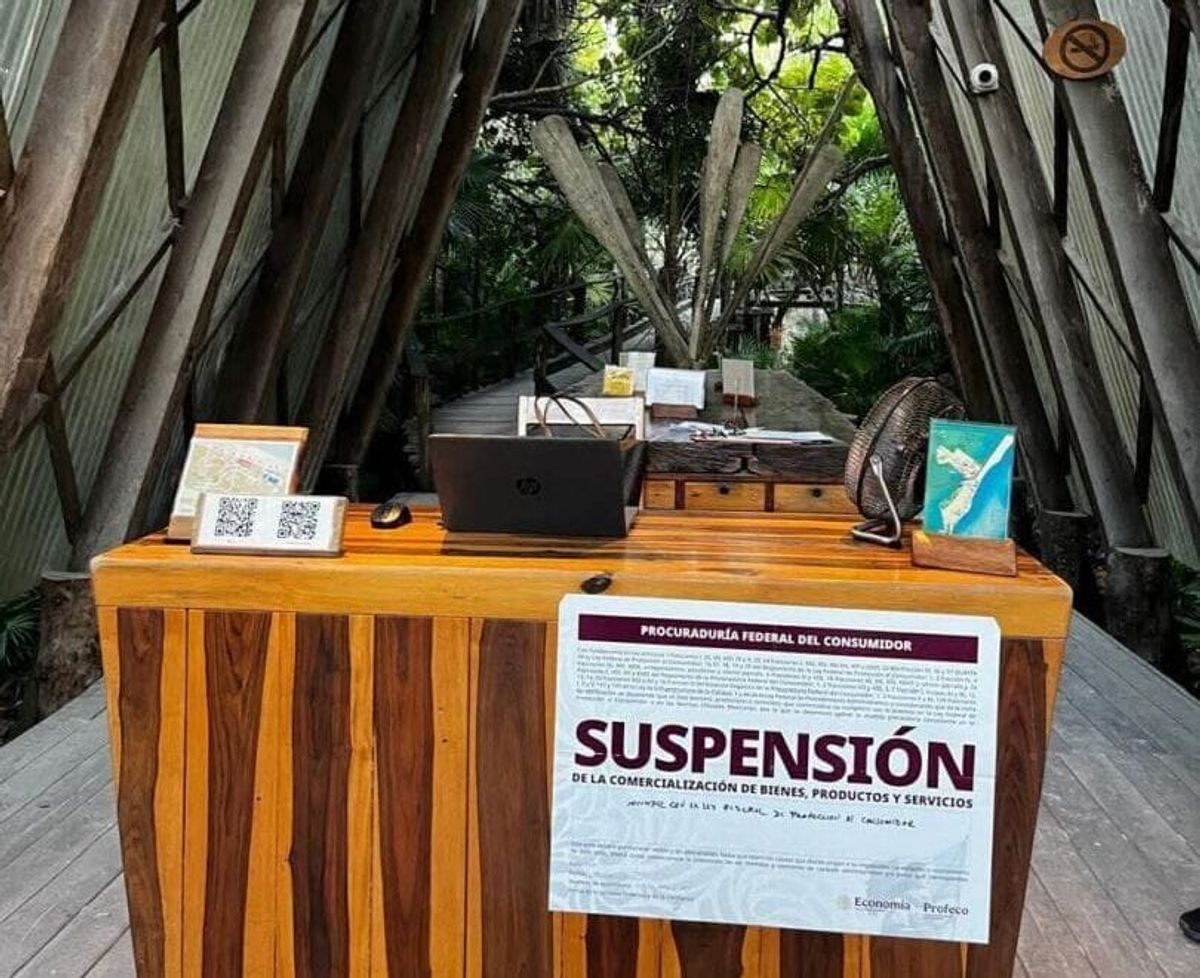
When federal inspectors walked into several coastal hotels in Tulum earlier this week, they found price boards that seemed disconnected from reality. The Procuraduría Federal del Consumidor, or Profeco, reported on November 21, 2025, that an extensive monitoring operation in Tulum, Quintana Roo uncovered steep increases in basic products and tourist services. The findings came after a wave of complaints from locals and visitors who said that something no longer added up in one of Mexico’s fastest-growing destinations. The main keyword, Profeco, quickly entered the center of a conversation that has been building for years: who sets the limits in a town where tourism demand appears limitless?
The federal agency visited 29 establishments and reviewed prices at Parque Jaguar, detecting room rates far above those in downtown Tulum. Inspectors also checked supermarkets, pharmacies, and popular restaurants, confirming that certain charges appeared inflated. The answers to the core questions of who, what, when, where, and why became clear in the first hours of the operation, shaping what could become a turning point for consumer oversight in the Riviera Maya.
How the price gap turned into a warning sign for authorities
Profeco found that a standard hotel room along the beach averaged 3,577.50 pesos per night, with some reaching 10,569 pesos. That high mark was recorded at Hotel Mi Amor, a well-known boutique property. A double room averaged 4,771.94 pesos, and at Hotel Diamante K the price climbed to 13,860 pesos. In downtown Tulum, where independent hotels, guesthouses, and apartment rentals dominate, equivalent rooms ranged from 600 to 1,200 pesos for singles and 700 to 1,400 for doubles.
This discrepancy is not unusual for beach zones compared with inland neighborhoods. Still, according to Profeco, the issue was not simply the difference between beachfront luxury and downtown affordability. Inspectors reported potential violations of rules governing price transparency and consumer protection. When inspectors sealed the entrances of four hotels – Diamante K, Pocna Tulum, Villa Pescadores, and Cabañas Playa Condesa Tulum – the message was clear. Prices could be high, but they had to follow the law.

For some travelers interviewed outside Parque Jaguar, the operation echoed their own sense that costs had become unpredictable. One backpacker from Argentina described walking for an hour comparing prices only to find that “each reception desk felt like a roulette wheel.” That micro-story captured a tension many residents of Quintana Roo have felt for years: tourism brings opportunity, but it also brings practices that, if left unchecked, might harm its long-term stability.
Food prices raise new questions about tourist-facing businesses
While hotel rates drew immediate attention, food costs revealed another layer of concern. An order of guacamole reached 280 pesos. A basic hamburger passed 400 pesos in some venues. Three tacos, a dish widely considered part of everyday Mexican dining, also hit 400 pesos, with an average of 306.31 pesos across the restaurants inspected.
These numbers on their own do not prove wrongdoing. Food costs vary widely depending on location, product quality, and overhead. But Profeco noted several irregularities beyond the sticker shock. Inspectors documented missing price displays, pressure to leave tips, and menus printed in foreign currencies or available only in languages other than Spanish. For federal consumer law, these details matter because they could mislead customers or limit their right to clear information.
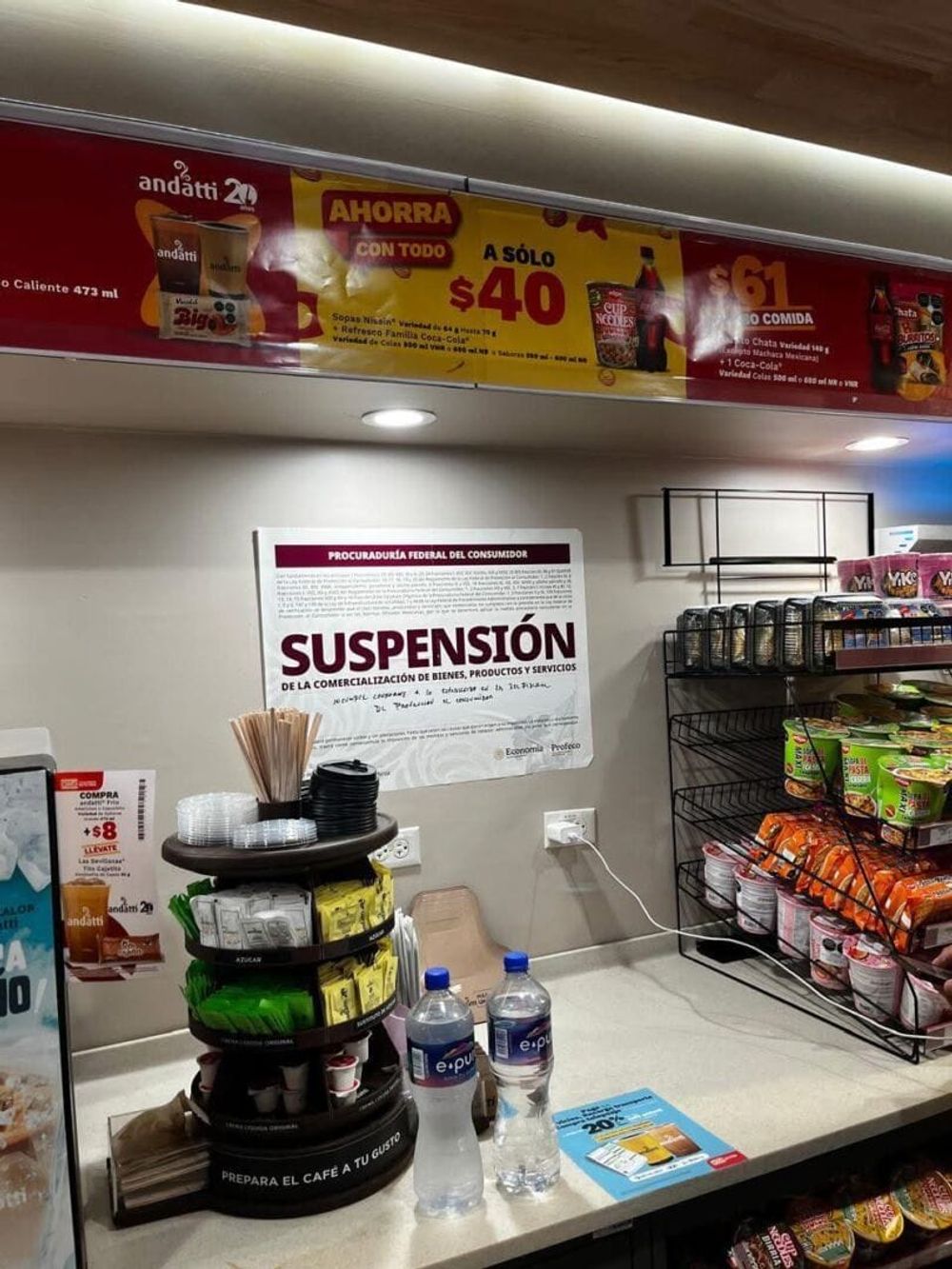
In supermarkets and pharmacies such as Wal-Mart, Chedraui, and Súper San Francisco de Asís, the agency placed suspension notices when it found issues that required immediate correction. Restaurants, including Burrito Amor, Batey Mojito, and Guarapo Bar, received recommendations rather than sanctions, with inspectors noting that compliance issues appeared solvable through changes in signage, receipts, or menu formats.
What rising prices reveal about a town built on tourism
Behind the numbers lies a broader question about how Tulum is reshaping itself. The town has grown from a quiet beach community into a global destination attracting influencers, investors, and travelers from across North America and Europe. As development accelerates along the coast, infrastructure and regulatory oversight have struggled to keep pace.
Tulum’s economy depends heavily on tourism, and this dependence shapes how businesses set prices. Some argue that costs mirror international market demand. Others believe certain practices take advantage of an environment where many visitors are unfamiliar with local norms. The Profeco operation did not answer all these debates, but it pointed to an important trend: regulatory scrutiny appears poised to intensify.
One inspector involved in the operation shared a comment that encapsulated the mood of the day. “High prices are not the problem. Lack of clarity is.” The line has since circulated on social media, sounding both like a warning and a reminder of how transparency serves both consumers and businesses.
Regulatory actions signal a new approach to coastal oversight
The sanctions imposed on several hotels reflect a shift in how federal authorities approach consumer complaints in tourist hotspots across Mexico. Over the past decade, destinations such as Cancún, Playa del Carmen, Los Cabos, Sayulita, and Puerto Vallarta have seen parallel increases in tourism and consumer disputes. Tulum now stands in that same position.

Profeco conducted eight verifications and seven monitoring visits in Tulum as part of this operation. These actions may appear modest, but in the context of Mexico’s regulatory environment, they signal a deliberate attempt to reinforce oversight during high-travel seasons. And they play a role in shaping how travelers perceive fairness in pricing, which could influence the region’s future competitiveness.
The Tulum Times has followed similar cases in recent years, noting that interventions often occur after local frustration reaches public channels. In this instance, both tourists and residents submitted complaints. That combination made the issue harder to ignore.
Why Profeco’s findings might reshape tourist practices in Quintana Roo
Profeco’s directorate emphasized that enforcement will continue in other tourist zones. The agency urged the public to report irregularities through the national consumer hotline or via its official social media channels. The invitation indicates that federal authorities see consumer oversight as an ongoing partnership, not a one-day intervention.
For businesses, the future may depend on adopting clearer labeling, transparent menus, and more consistent communication with customers. For consumers, the operation might serve as a reminder to check prices before ordering or booking. And for the region, these developments highlight a recurring challenge: how to balance tourism-driven growth with fairness and trust.
Still, the reflection that lingers is more nuanced. Tulum has built its reputation on freedom, creativity, and a sense of escape. But even in a place defined by its laid-back identity, rules matter. As one resident said while watching inspectors seal a hotel entrance, “If we want Tulum to last, we need clearer boundaries.” Sometimes a single remark summarizes an entire debate.
What is ultimately at stake for Tulum’s tourism economy
The findings released by Profeco could influence not just visitor experiences but also business planning, investment decisions, and local political pressure. The main keyword, Profeco, encapsulates the core of that challenge because the agency’s presence acts as both an intervention and a signal that oversight is tightening.
As Tulum continues to evolve, the question is whether the town can maintain its appeal while ensuring that prices, practices, and information remain accessible to all. The answer might determine how the Riviera Maya competes in an increasingly crowded global market.
Profeco says it will continue operations in the coming months. The stakes extend beyond this week’s suspensions and recommendations. They touch on the credibility of a destination whose identity is shaped by both natural beauty and economic opportunity.
We end where the operation began: with a call for vigilance, clarity, and fairness. Profeco has placed itself at the center of this debate, and the results of its monitoring will likely influence the region’s next steps. We’d love to hear your thoughts. Join the conversation on The Tulum Times’ social media.
What changes do you believe would help create a more transparent experience for travelers and residents in Tulum?