
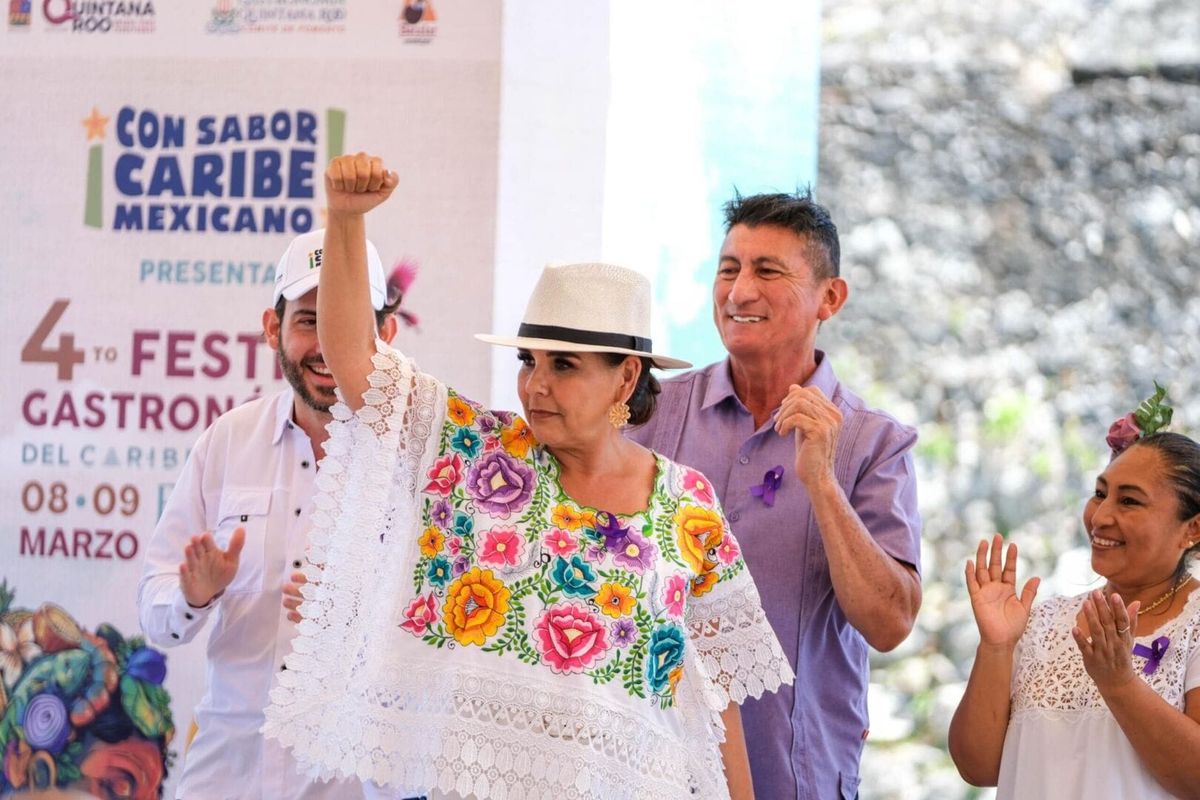
In the heart of Mexico’s Yucatán Peninsula, a culinary renaissance is unfolding, and its roots extend far beyond the well-trodden tourist paths. According to recent data from Quintana Roo’s Ministry of Tourism, regional gastronomy contributed over 30% to the state’s cultural economy in 2023, drawing more than 12 million visitors to savor its diverse flavors. Nowhere is this vibrant movement more palpable than in Bacalar, a lakeside town emerging as an unexpected epicenter of Quintanarroense gastronomy, where chefs, farmers, and artisans collaborate to celebrate heritage while embracing innovation.
Bacalar’s Culinary Stage
Walking through Bacalar’s central mercado on a sun-dappled morning, the air hums with possibility. Vendors arrange pyramids of achiote-smeared cochinita pibil, while coffee brewed with local cinnamon perfumes the breeze. Last month, the town hosted its inaugural Sabores de Quintana Roo festival, a four-day showcase that attracted chefs from across Mexico and food enthusiasts from as far as Japan. One participant, María López, a third-generation cook from Felipe Carrillo Puerto, described the event as “a bridge between generations.” Her stall featured tikin-xic fish, marinated in sour orange and wrapped in banana leaves, a dish her grandmother taught her to prepare over open flames.
Sustainability Meets Tradition
Beyond flavor, the festival underscored a growing emphasis on environmental stewardship. Over 60% of ingredients used by participating chefs came from within 50 kilometers, a statistic highlighted by organizers to demonstrate their commitment to reducing food miles. Miguel Ángel, a local beekeeper, shared how partnerships with restaurants have tripled demand for his melipona honey, an ancient Mayan variety cultivated stingless bees. “People taste its floral notes and suddenly care about preserving our jungles,” he remarked, lifting a honeycomb from a hand-carved log.
Hidden Corners of Flavor
Festivalgoers exploring beyond the main stage discovered quieter triumphs. In a shaded courtyard, women from the Mayan community of Señor demonstrated k’óol, a laborious process of nixtamalizing corn using wood ash, a technique dating to pre-Hispanic times. Nearby, a young mixologist stirred balché, a fermented drink once reserved for sacred rituals, now reimagined with ramón seeds and jamaica. “We’re not just preserving recipes,” explained Elena Torres, a food historian leading tastings, “we’re decoding the stories behind them.”
A New Culinary Ecosystem
The economic ripple effects are tangible. Since 2021, over 40 agroecology projects have launched in rural Quintana Roo, supported by profits from gastrotourism. Restaurants like Bacalar’s “Raíces” now source 90% of their produce from these initiatives, blending heirloom vegetables with modern techniques. Chef Omar Gutiérrez, whose smoked pumpkin soup became a festival standout, credits collaboration: “Farmers tell me what’s thriving, and we build menus around that.” This synergy has even birthed new hybrids, like chaya-infused quinoa, now a lunchtime favorite at local schools.
The Future on a Plate
As dusk settled over the festival’s final evening, attendees gathered for a communal feast beneath a ceiba tree, a symbol of life in Mayan cosmology. Platters of sopa de lima and panuchos circulated alongside glasses of pitahaya wine, their flavors sparking conversations about identity and progress. For visitors like Canadian traveler Sophie Martin, the experience redefined Mexican cuisine: “It’s not just tacos, it’s a living conversation between earth and people.”
With plans already underway for next year’s festival, Bacalar proves that cultural preservation and innovation need not compete. As one organizer noted while packing away clay comals, “Every dish holds a seed of possibility.” Share your thoughts on Quintana Roo’s evolving food landscape with us, we’d love to hear your stories on our social media channels.