

The recent fiscal measures approved by Mexico’s federal lawmakers have stirred concern among the country’s tourism leaders. Sergio González Rubiera, president of the Mexican Association of Inbound Tourism Agencies (Amatur), described the current situation as “unfortunate,” arguing that the lack of consistent policies to stimulate tourism could undermine one of Mexico’s strongest economic sectors.
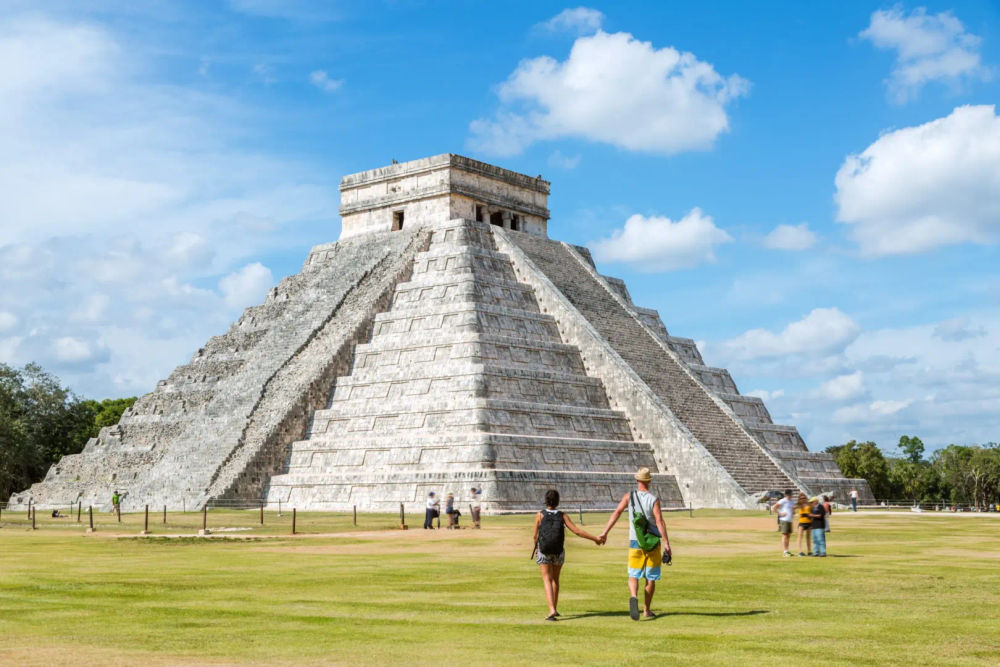
“What they are doing does not encourage investment; it discourages it,” González Rubiera said, referring to the recent increases in taxes and fees such as the Non-Resident Tax (DNR) and entrance rates to archaeological sites. These new costs, he warned, send the wrong signal to investors and make the country less competitive in a global tourism market that is becoming increasingly aggressive.
The discussion comes at a decisive moment for Quintana Roo and the Riviera Maya, which continue to attract millions of international visitors every year. The region remains Mexico’s tourism powerhouse, yet industry voices are questioning whether national policies are keeping pace with the sector’s needs.
A Growing Concern Over the Cost of Doing Business
According to Amatur, the core issue is not only the new taxes but also the absence of a legal and fiscal framework that promotes reinvestment. González Rubiera compared Mexico’s stance with other nations that have adopted tax incentives to attract tourism-related development.
“While other countries promote laws to encourage tourism, here we raise taxes,” he said. “Panama, for instance, has concrete incentive laws. In Mexico, it keeps getting more expensive to visit.”

To counteract this, the association has proposed measures such as temporarily waiving or reducing the corporate income tax (ISR) for new investments in hotels, theme parks, and transportation services. It also recommends making restaurant and travel-related expenses more deductible, arguing that such steps could spur small and medium-sized projects across the country.
Community-Based Tourism as a Missed Opportunity
One of the most compelling examples González Rubiera cited is the case of community-based tourism, where local groups develop small-scale lodges or restaurants with minimal environmental impact. These initiatives, often led by Indigenous or rural communities, have grown organically but without government support.
“If a community wants to build eco-cabins or a small restaurant, imagine if they were told: for the first five years, you won’t pay income tax,” he said. “That’s what incentive means, not what’s being done now.”
The statement reflects a broader frustration shared by many in the industry who feel that public policy remains reactive rather than strategic. The perception that tourism is being treated as a reliable source of fiscal revenue rather than as a sector that needs investment is spreading across the business community.
The Paradox of a Strong but Strained Tourism Engine
Despite the criticism, González Rubiera expressed optimism about the future of Quintana Roo, particularly looking ahead to 2026. He believes that Mexico’s proximity to the United States, combined with its strong hotel infrastructure and natural appeal, will continue to attract international travelers.
“Tourists will keep coming because Quintana Roo is a competitive place, it’s beautiful, and we are very close to the U.S.,” he said. “We’re not going to do badly, but we could do better if we removed the barriers that hurt competitiveness.”
The statement captures the paradox of Mexico’s tourism industry: its success persists despite limited institutional support. From Cancún to Tulum, demand remains strong, but business owners say the cost of maintaining operations, from airport taxes to local permits, has steadily increased.

Key Areas Demanding Attention
Industry observers highlight several issues that could determine the sector’s direction in the coming years. Among them are customs and immigration procedures, which many describe as slow and inefficient; the persistence of unregulated tour operators offering pirated services; and the need for more robust logistics and airport infrastructure to support growing visitor flows.
In Quintana Roo, where new airport terminals and road connections are under construction, progress is visible but uneven. The challenge, experts say, is ensuring that investments are matched by effective policy support. Without fiscal coordination at the federal level, many initiatives risk remaining isolated efforts rather than part of a national tourism strategy.
Promotion and Perception: The Missing Link
González Rubiera emphasized that tourism promotion should once again become a national priority. Over the past few years, budget cuts and the dismantling of Mexico’s federal tourism promotion board have left destinations with limited resources to market themselves abroad.
“Tourism promotion cannot continue to be reduced under the logic of austerity,” he said. “This is a global industry, if you’re not promoting, someone else is.”
The remark underscores a point increasingly echoed by hoteliers, tour operators, and investors: the competition for tourists is no longer regional but global. Countries like Costa Rica and Colombia are investing heavily in brand positioning and sustainability campaigns, while Mexico, despite its size and diversity, risks losing momentum.
Between Resilience and Reform
For now, the resilience of Mexico’s tourism sector remains one of its defining strengths. Even amid fiscal and policy uncertainty, destinations across the country continue to attract millions of visitors each year. The challenge, however, lies in translating that momentum into long-term competitiveness.
As González Rubiera and other industry leaders argue, Mexico needs a new framework, one that sees tourism not merely as a source of tax revenue but as a driver of inclusive growth and regional development.
The Tulum Times reports that in regions like the Riviera Maya, entrepreneurs are still finding ways to innovate, from low-impact eco-resorts to cultural tourism projects that create local jobs. What remains to be seen is whether national policy will evolve to match that entrepreneurial energy.
Tourism in Mexico continues to thrive, but the industry’s future might depend on whether fiscal strategy and economic vision can finally align.
We’d love to hear your thoughts. Join the conversation on The Tulum Times’ social media.
Will Mexico choose to support its tourism growth through incentives or continue relying on taxation as its main strategy?