
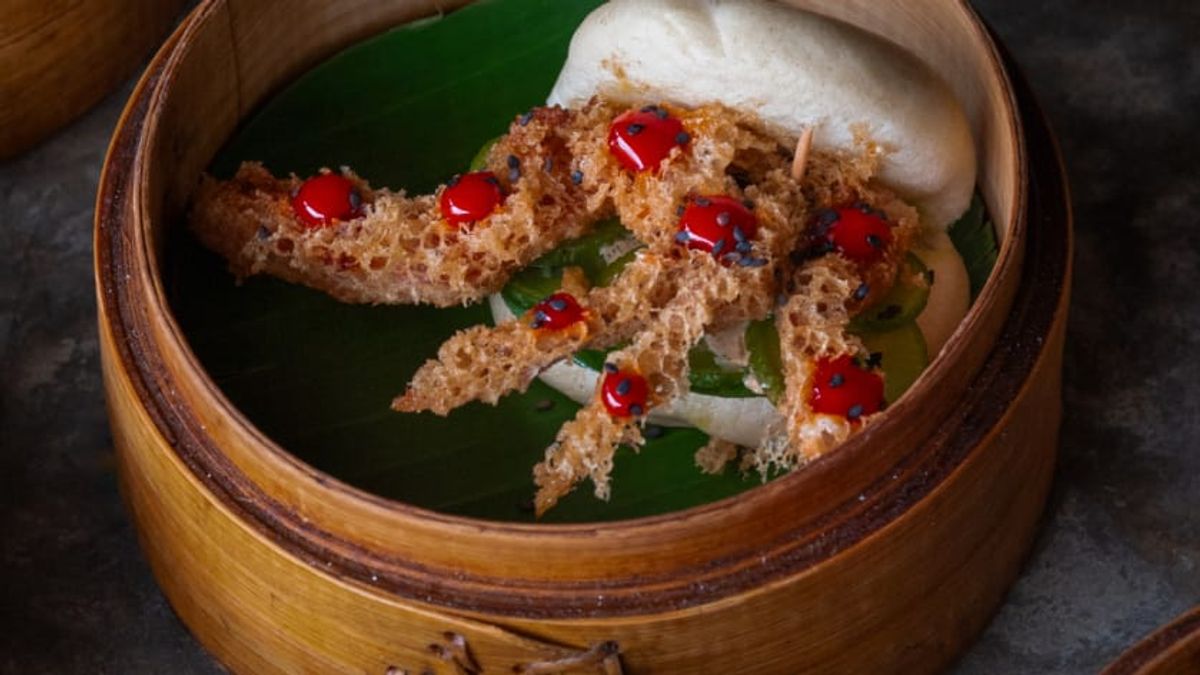
As Tulum continues to attract over 2.5 million annual visitors, a figure projected to rise by 8% annually through 2025, the town’s culinary landscape is evolving to meet the demands of a globally curious audience. At the heart of this transformation lies Mestixa, a vibrant eatery redefining Asian street food by weaving in unexpected ingredients from Mexico’s Yucatán Peninsula. It’s not fusion; it’s a dialogue between cultures, one that honors tradition while daring to innovate.
A Culinary Crossroads
Step into Mestixa, and the first thing you’ll notice is the rhythmic sizzle of a comal alongside the aromatic punch of lemongrass and chili. Here, dishes like Korean-style cochinita pibil tacos share the menu with Thai-inspired ceviche, each plate a testament to the chef’s dual heritage. “We’re not just mixing flavors, we’re asking how centuries-old techniques from opposite sides of the ocean can converse,” explains head chef Regina Vázquez, whose family roots stretch from Veracruz to Malaysia. Her grandmother’s recipe for tamarind-glazed pork belly, now paired with locally sourced jicama slaw, has become a signature dish that nods to both continents.
Local Ingredients, Global Appeal
Mestixa’s commitment to hyperlocal sourcing anchors its creativity. Over 70% of ingredients, from habaneros to hoja santa, are procured within a 50-mile radius, a practice that supports regional farmers and reduces environmental strain. The kitchen even forgoes imported soy sauce in favor of a house-made version fermented with Yucatán honey. “It’s about respecting what grows here,” says Vázquez, gesturing to a basket of chaya leaves destined for a Malaysian-style curry. Seasonal menus shift with the harvest, ensuring that each visit offers a fresh exploration of place and palate.
Sustainability as a Side Dish
Beyond the plate, Mestixa champions eco-conscious practices that resonate with Tulum’s ethos. Biodegradable packaging made from cactus fibers replaces single-use plastics, while a zero-waste initiative repurposes citrus peels into cleaning solvents and spent coffee grounds into compost for a community garden. The team also partners with a local nonprofit to redistribute surplus meals to underserved neighborhoods, a program that has provided over 3,000 servings since 2022. “Food is about nourishment, not just for the body but for the community,” notes Vázquez.
A New Blueprint for Street Food Culture
While Mestixa’s brick-and-mortar location draws crowds, its monthly pop-up markets have become a cultural happening. Held under the dappled shade of sabal palms, these events showcase collaborations with Oaxacan tamaleras, Vietnamese pho vendors, and Maya beekeepers. On a recent Saturday, a line snaked around the block for crispy duck carnitas tacos drizzled with tamarind-hoisin sauce, a dish that embodies Mestixa’s philosophy of culinary cross-pollination. For many attendees, it’s more than a meal; it’s a reminder that innovation thrives when traditions are allowed to mingle.
The Future of Flavor
As diners increasingly seek authentic yet inventive experiences, Mestixa offers a roadmap for how local businesses can honor heritage while embracing globalization. With plans to launch cooking workshops highlighting Maya-Asian culinary overlaps, Vázquez envisions the space as a hub for edible storytelling. “Every bite should have a history,” she reflects, “and maybe spark a new chapter.”
What’s your take on blending culinary traditions? Have you encountered a dish that redefined your understanding of fusion cuisine? Share your thoughts with us on Instagram or Facebook, we’d love to hear from you.